
Located about 20 miles southwest of downtown Houston in Fort Bend County, Sugar Land has grown from a company town built around Imperial Sugar's sprawling refinery into one of the most sought-after suburban destinations in the entire Houston metropolitan area. That transformation — from a single-industry settlement into a diverse, master-planned city of more than 110,000 residents — sets Sugar Land apart from neighboring communities like Missouri City and Stafford in both ambition and execution. The city's First Colony and Telfair developments helped define what thoughtful suburban planning looks like in Texas, while the Fort Bend Independent School District consistently earns recognition as one of the top-performing districts in the state. Commuters benefit from direct access to U.S. Highway 59 and the Fort Bend County toll network, keeping downtown Houston well within reach. For those browsing homes for sale in Sugar Land, TX, the combination of low crime rates, strong schools, well-maintained parks, and a genuinely diverse population creates a compelling case — and with continued commercial investment along the U.S. 59 corridor, the city's trajectory shows no sign of slowing.
Welcome to Sugarland
Things to Do
Outdoor Recreation
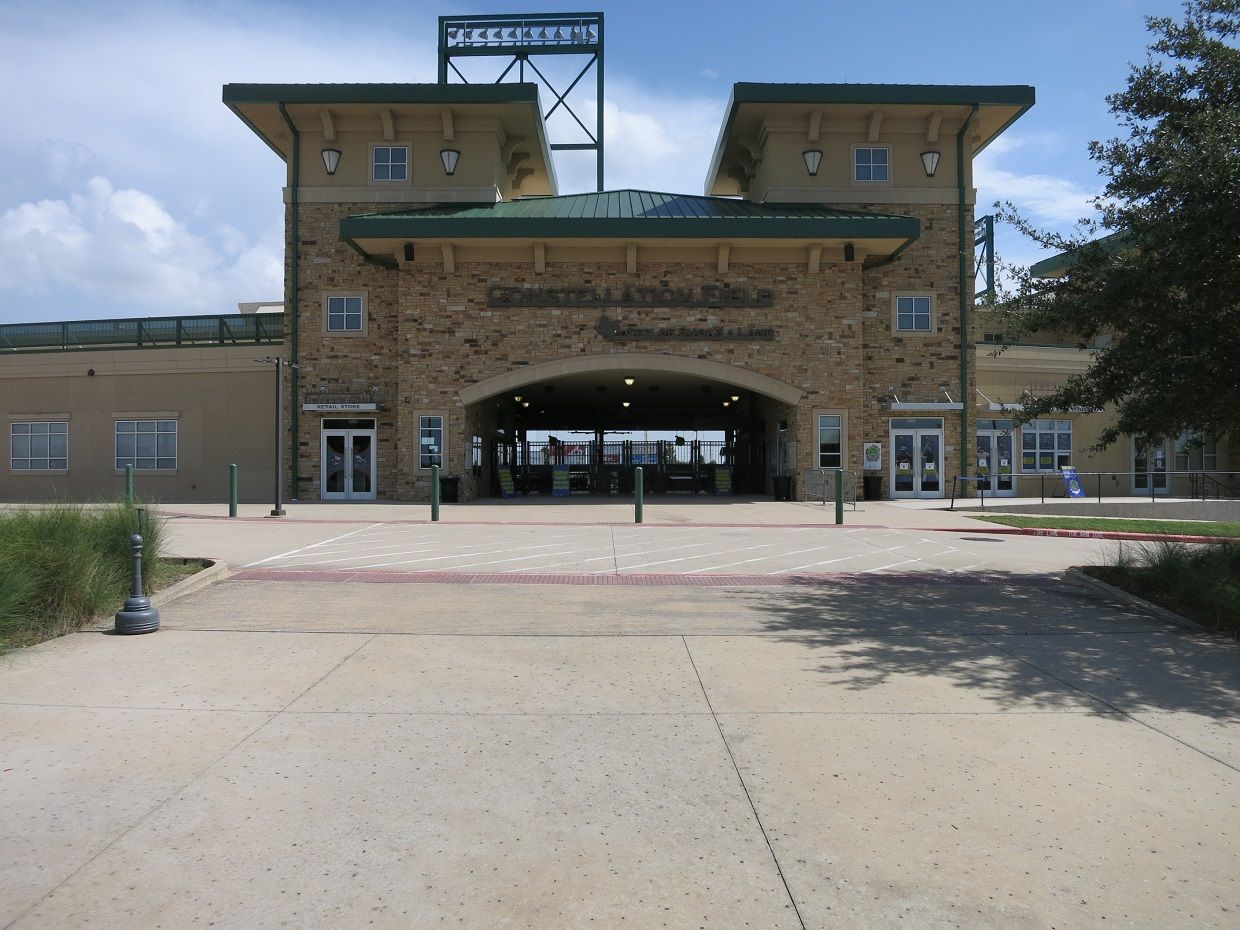
Sugar Land's parks system is one of its most celebrated assets. Brazos River Park stretches along the river's edge and offers scenic trails, open green space, and peaceful spots for fishing and picnicking. Oyster Creek Park winds through the city with hike-and-bike trails that connect neighborhoods and natural areas, making it a favorite for joggers, cyclists, and families with strollers. Constellation Field — home of the Sugar Land Space Cowboys, the Triple-A affiliate of the Houston Astros — doubles as a community gathering spot even beyond baseball season, hosting concerts and special events throughout the year.
Arts & Culture
The Sugar Land Town Square serves as the cultural and civic heart of the city, a beautifully designed mixed-use district anchored by City Hall and surrounded by fountains, public art, and an outdoor plaza that hosts seasonal events, holiday celebrations, and live performances. The Smart Financial Centre at Sugar Land is a major performing arts and entertainment venue that draws nationally touring acts, Broadway productions, and comedy shows — a genuine cultural anchor for Fort Bend County residents who might otherwise make the 20-mile drive into Houston.
Dining & Shopping
Sugar Land's dining scene reflects its remarkably diverse population. The First Colony Mall area and surrounding corridors along Highway 6 and US-59 offer an impressive range of cuisines — from authentic South Asian and Chinese restaurants to upscale American bistros. Sugar Land Town Square itself is lined with restaurants and cafes with outdoor patio seating, ideal for evening dining in the cooler months. Shoppers will find everything from national retailers at First Colony Mall to specialty boutiques scattered throughout the city's well-maintained commercial districts.
Family Activities
Families considering houses for sale in Sugarland will find no shortage of things to keep kids engaged. The Houston Museum of Natural Science at Sugar Land brings rotating exhibits and permanent collections to the suburbs, making science and history accessible without a trip downtown. Seasonal festivals at Town Square — including holiday markets and summer concert series — give the community a genuine small-town feel despite Sugar Land's size and sophistication. With top-rated Fort Bend ISD schools and abundant recreational programming, it's a city built with family life in mind.
Latest Properties in Sugarland
Loading latest properties...
History
The city of Sugar Land, Texas, owes its very name — and much of its urban DNA — to sugar. The area's agricultural history stretches back to the mid-1800s, when Stephen F. Austin's colonists first cultivated the fertile Brazos River bottomlands southwest of Houston. By the 1840s, sugar cane plantations had taken root, and the community that grew around them took on the name that still graces the city today.
The most transformative chapter came in 1908, when the Imperial Sugar Company established its refinery here, anchoring Sugar Land's economy for over a century. Imperial Sugar didn't just process cane — it effectively built the town, constructing worker housing, a company store, and civic infrastructure that shaped the city's early layout. That legacy of planned, orderly development set a precedent that would echo through every subsequent wave of growth.
Sugar Land incorporated as a city in 1959, and the real transformation of its residential landscape accelerated through the 1970s and 1980s as Houston's suburban sprawl pushed southwest along U.S. Highway 59. Master-planned communities — most notably First Colony, developed beginning in the late 1970s — introduced the curving streets, greenbelts, and deed-restricted neighborhoods that define much of what buyers find today when browsing homes for sale in Sugar Land, TX. These communities were designed from the outset for long-term livability, which helps explain why they have retained their appeal across generations.
By 2000, Sugar Land had grown into one of the most affluent suburbs in Texas, and that trajectory has continued. The Imperial Sugar refinery site itself was redeveloped into Imperial Market, a mixed-use destination that symbolizes the city's ability to honor its industrial past while building a modern, amenity-rich present. For buyers exploring houses for sale in Sugar Land, that layered history — from plantation agriculture to company town to master-planned suburb — is written into the character of nearly every neighborhood.
Weather
Sugar Land's Climate: What to Expect Year-Round
Sugar Land, Texas sits squarely within a humid subtropical climate (Köppen classification Cfa), a designation that shapes daily life, home design, and outdoor culture throughout Fort Bend County. The city's position in the greater Houston metropolitan area — roughly 20 miles southwest of downtown — means it shares the region's characteristic heat, humidity, and occasional dramatic weather events.
Summers are long, hot, and muggy. Daytime highs routinely climb into the mid-to-upper 90s°F from June through August, with overnight lows rarely dipping below the low 70s. The Gulf of Mexico's proximity doesn't deliver a cooling sea breeze so much as it pumps persistent moisture into the air, making heat indices feel significantly higher than the thermometer reads. Winters are mild by most standards — January highs typically hover in the upper 50s to low 60s°F, with lows occasionally dipping into the 30s — though brief cold snaps and rare ice events can catch residents off guard.
Annual rainfall averages around 50 inches, distributed fairly evenly throughout the year, with late spring and fall seeing the heaviest totals. Tropical storm activity is a genuine consideration given Sugar Land's inland-but-coastal-adjacent geography, and flooding risk is a factor prospective buyers should research carefully by neighborhood.
For anyone browsing homes for sale in Sugar Land, TX, the climate has direct real estate implications: energy-efficient HVAC systems are essential, covered outdoor living spaces extend usability through shoulder seasons, and proper drainage and elevation matter enormously. Roof maintenance, exterior paint durability, and storm preparedness are practical priorities for homeowners here year-round.
Sugarland Market Analytics
Sugarland Home Value Index over time.
Can I Afford Sugarland?
Weather