
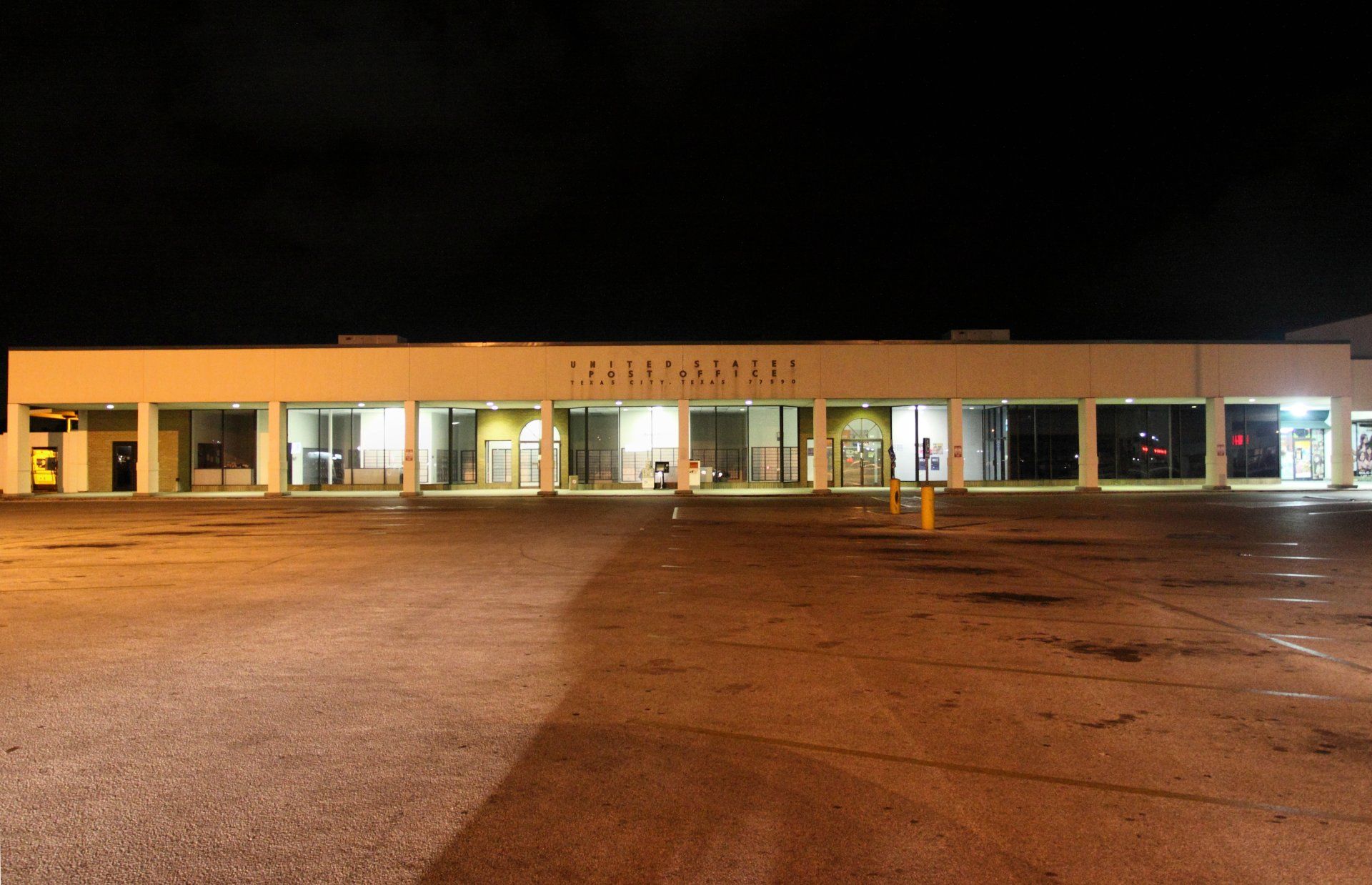
Texas City, Texas

Location:
Texas City, TX

Welcome to Texas City

Situated on the southwest shoreline of Galveston Bay in Galveston County, Texas City carries a motto that tells its story in four words: "The city that would not die." Founded in the 1830s as a modest settlement called Shoal Point and incorporated in 1911, this deepwater port city has survived a catastrophic 1947 industrial explosion, multiple hurricanes, and economic downturns — and has emerged each time with renewed purpose. Today, with a population approaching 52,000, Texas City is the third-largest city in Galveston County, distinguished from neighboring League City and Galveston by its working-port identity, its industrial backbone in petroleum refining, and its direct position along the bay.

What sets Texas City apart is its rare combination of Gulf Coast access, industrial employment strength, and green space — including the Texas City Prairie Preserve and Bay Street City Park, the latter home to a monument marking the city's historic role as the birthplace of the U.S. Air Force. Families here are served by the Texas City Independent School District, and the broader Houston metropolitan connection keeps regional opportunity within reach. For buyers seeking waterfront proximity, affordability, and a city with genuine resilience built into its character, Texas City represents one of the Gulf Coast's most compelling places to put down roots.


Community Profile

Situated along Galveston Bay in Galveston County, this Gulf Coast community of 55,364 residents offers a compelling value proposition for buyers priced out of the broader Houston metro. With a median home value of just $215,460 — well below the national median of around $330,000 — Texas City delivers genuine affordability without sacrificing access to one of the nation's largest job markets. A median household income of $68,776 supports comfortable living here, and the fact that nearly 1 in 3 households earns six figures (30.5%) signals a community with real economic range and upward momentum.

The population skews notably young, with a median age of 36.6 — younger than the national median of 38.5 — and a robust share of residents in their teens and twenties (over 30% combined). Average family size sits at 3.06 people, reflecting the strong presence of growing households putting down roots here. Nearly half of all families are dual-income (49.1%), which helps explain why rent burden remains a manageable 29.4% of income, even as median rent holds at $1,307. For those comparing options across the Houston area — including those weighing a houston apartment versus ownership — Texas City's homeownership rate of 56.5% and its accessible price points make the case for buying particularly persuasive. Perhaps most striking is the community's diversity: residents identifying as Hispanic/Latino (31.9%), Black (26.5%), and multiracial (20.8%) give Texas City a genuinely multicultural character, enriched further by a 25.7-minute average commute that keeps daily life unhurried.

Things to Do

Outdoor Recreation & Nature

Texas City's position along the southwest shoreline of Galveston Bay gives residents and visitors a natural playground that's hard to match anywhere on the upper Gulf Coast. Bay Street City Park is one of the city's most storied green spaces, home to a monument commemorating Texas City's remarkable claim as the birthplace of the United States Air Force — where the Wright brothers trained military pilots during the 1913 Army encampment. The park offers waterfront views and a peaceful setting for walking and picnicking. For nature enthusiasts, the Texas City Prairie Preserve protects a rare coastal prairie ecosystem and draws birdwatchers and wildlife photographers year-round, particularly during migratory bird seasons when the Gulf Coast flyway brings spectacular species through the area.

Arts, Culture & History

The Texas City Museum is an essential stop for anyone curious about this community's extraordinary past — from its late-19th-century founding by Minnesota investors to the devastating 1947 explosion that gave the city its resilient motto, "The city that would not die." The museum chronicles the industrial and human history of a port town that rebuilt itself repeatedly in the face of hurricanes, economic downturns, and catastrophe. The Moore Memorial Public Library serves as a cultural anchor for the community, offering programming and resources for all ages throughout the year.

Dining & Local Flavor

Texas City's dining scene reflects its working-class Gulf Coast character — expect fresh seafood, hearty Tex-Mex, and unpretentious local spots that have fed refinery workers and fishing families for generations. The city's proximity to Galveston Bay means Gulf shrimp and fresh catch are staples on local menus. A short drive brings you to the restaurants and entertainment of nearby Galveston Island, roughly 10 miles to the southeast.

Day Trips & Regional Attractions

Texas City sits comfortably within the Houston metropolitan area, placing world-class attractions within easy reach. Downtown Houston's museums, sports venues, and performing arts centers are approximately 35 miles to the north, while Galveston's historic Strand District, beach seawalls, and Moody Gardens are practically next door. For families considering a move to the greater Gulf Coast region, Texas City offers a genuine community feel at a fraction of the cost of a houston apartment in the urban core — with the bay, the beach, and the city all within striking distance.

Latest Properties in Texas City

Loading...

Loading latest properties...

See All Properties in Texas City

History

From Shoal Point to Industrial Powerhouse

Texas City's origins trace to the 1830s, when veterans of the Texas Revolution received land grants along the southwestern shore of Galveston Bay at a place called Shoal Point. The settlement remained modest for decades until 1891, when three brothers from Duluth, Minnesota — Benjamin, Henry, and Jacob Myers — recognized the site's potential as a deepwater port. Their syndicate purchased 10,000 acres of bay frontage, renamed the area Texas City, and by 1893 had formed the Texas City Improvement Company to lay out streets, attract settlers, and dredge a channel into the bay.

The grid of streets platted in the 1890s still defines much of the city's older residential fabric today. Texas City incorporated in 1911, and industrial momentum accelerated quickly: the Texas City Refining Company had already been chartered in 1908, and by the 1920s the port was drawing sugar refineries, grain elevators, and additional petroleum operations under the leadership of port president Hugh B. Moore. The oil industry's expansion through the 1930s pushed the population to 5,200 by decade's end.

The catastrophic 1947 explosion — one of the deadliest industrial disasters in American history — demolished much of the port and city, earning Texas City its enduring motto, "The city that would not die." Rebuilding was swift and determined, and the petrochemical industry that rose from the wreckage shaped the working-class, owner-occupied neighborhoods that still characterize large portions of the city. That industrial heritage continues to anchor the local economy, supporting steady housing demand from refinery and port workers — a dynamic that keeps Texas City's real estate market grounded and relatively affordable compared to the broader Houston metropolitan area it calls home.

Weather

Texas City sits firmly within a humid subtropical climate (Köppen Cfa), shaped almost entirely by its position on the southwest shoreline of Galveston Bay and its proximity to the Gulf of Mexico. That coastal setting defines virtually every aspect of the city's weather, from its mild winters to its oppressively muggy summers.

Summers are long, hot, and humid, with daytime highs typically ranging from the low to mid-90s°F and overnight lows rarely dipping below the mid-70s. The Gulf's moisture keeps humidity levels elevated throughout the season, making heat indices feel significantly higher than the thermometer reads. Winters are brief and mild — highs generally hover in the upper 50s to mid-60s°F, with lows occasionally dipping into the 40s. Hard freezes are rare but not unheard of, and when they do occur, they can catch residents off guard.

Annual rainfall averages around 50 inches, distributed fairly evenly across the year, though tropical weather systems pose the most significant weather risk. Texas City's low elevation — barely ten feet above sea level — makes storm surge and flooding serious concerns during hurricane season, which runs June through November.

For real estate, these conditions carry real implications. Cooling costs dominate household energy budgets for roughly six to eight months of the year, while homes require diligent maintenance against humidity-driven issues like mold, corrosion, and roof wear. On the upside, the mild winters make outdoor living genuinely enjoyable for much of the year, a quality that draws buyers who prioritize waterfront access and year-round outdoor recreation.

Texas City Market Analytics

The Texas City real estate market is showing signs of balance, with a median sale-to-list price ratio of 0.976, indicating that homes are selling for close to their listed price, according to data analyzed by Opulist. The market is also experiencing a moderate level of inventory, with 266 homes for sale and 50 new listings, suggesting that buyers have a range of options to choose from. Overall, the market trends suggest a stable and relatively healthy real estate market in Texas City, making it a good time for buyers and sellers to work with a knowledgeable brokerage like Opulist to navigate the market.


1-Year Home Value Change: -4%

Texas City Home Value Index over time.

Can I Afford Texas City?
$
%
$0
Est. Monthly Payment
$0/yr
Salary Required

*Principal & interest only. Salary based on 28% debt-to-income ratio.

Get Pre-Approved for Texas City