
Declared an independent republic on March 2, 1836, at Washington-on-the-Brazos, Texas carries a sovereignty that no other U.S. state can claim — it was once a nation unto itself. The second-largest state by both area and population, covering over 268,000 square miles from the Rio Grande to the Piney Woods of the east, Texas offers a range of living environments that simply has no parallel among its neighbors. Unlike Louisiana's bayou-heavy terrain or New Mexico's high-desert plateaus, Texas spans subtropical coastline, rolling Hill Country, vast plains, and dense eastern forests — all within a single state. NASA's Johnson Space Center anchors Houston as a global aerospace hub, while the state's complete absence of a personal income tax continues to draw residents and investors from across the country. With a median age of just 35 and a GDP ranking second in the nation, the economic momentum here is unmistakable. For those exploring houses for sale in Texas, the opportunity extends well beyond real estate — it's a chance to plant roots in one of the fastest-growing, most economically dynamic places in the United States.
Welcome to Texas
Things to Do
Outdoor Recreation
Texas offers some of the most varied outdoor landscapes in the entire country, stretching across 268,000-plus square miles from the piney woods of East Texas to the Chihuahuan Desert of the west. Hikers and nature lovers flock to Big Bend National Park, one of the most remote and spectacular parks in the National Park System, where the Rio Grande carves dramatic canyons through ancient volcanic rock. Along the Gulf Coast, Padre Island National Seashore — the world's longest undeveloped barrier island — draws beachgoers, birdwatchers, and anglers year-round. In the Hill Country, Enchanted Rock State Natural Area near Fredericksburg offers a massive pink granite dome that rewards hikers with sweeping panoramic views.
Arts & Culture
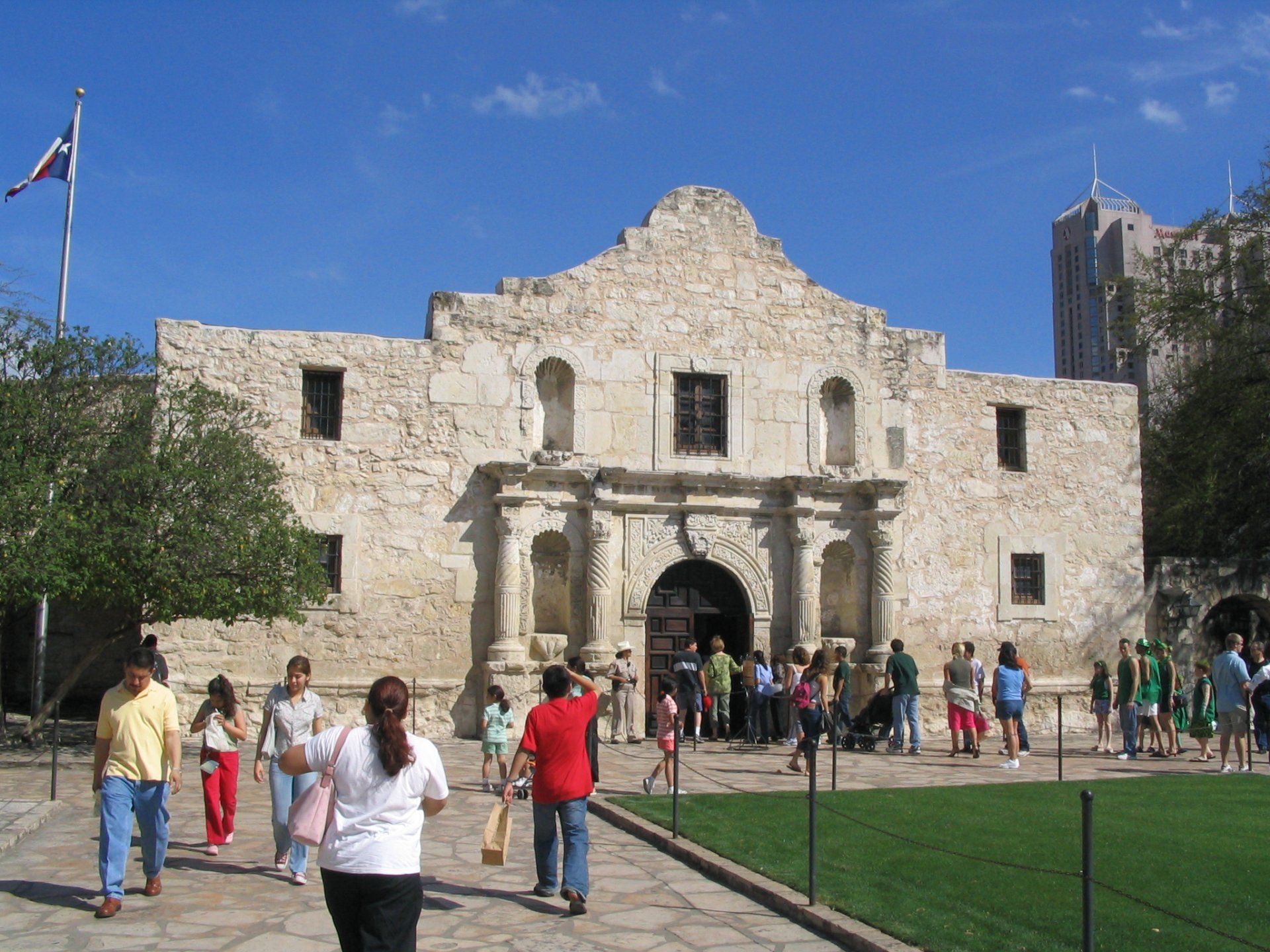
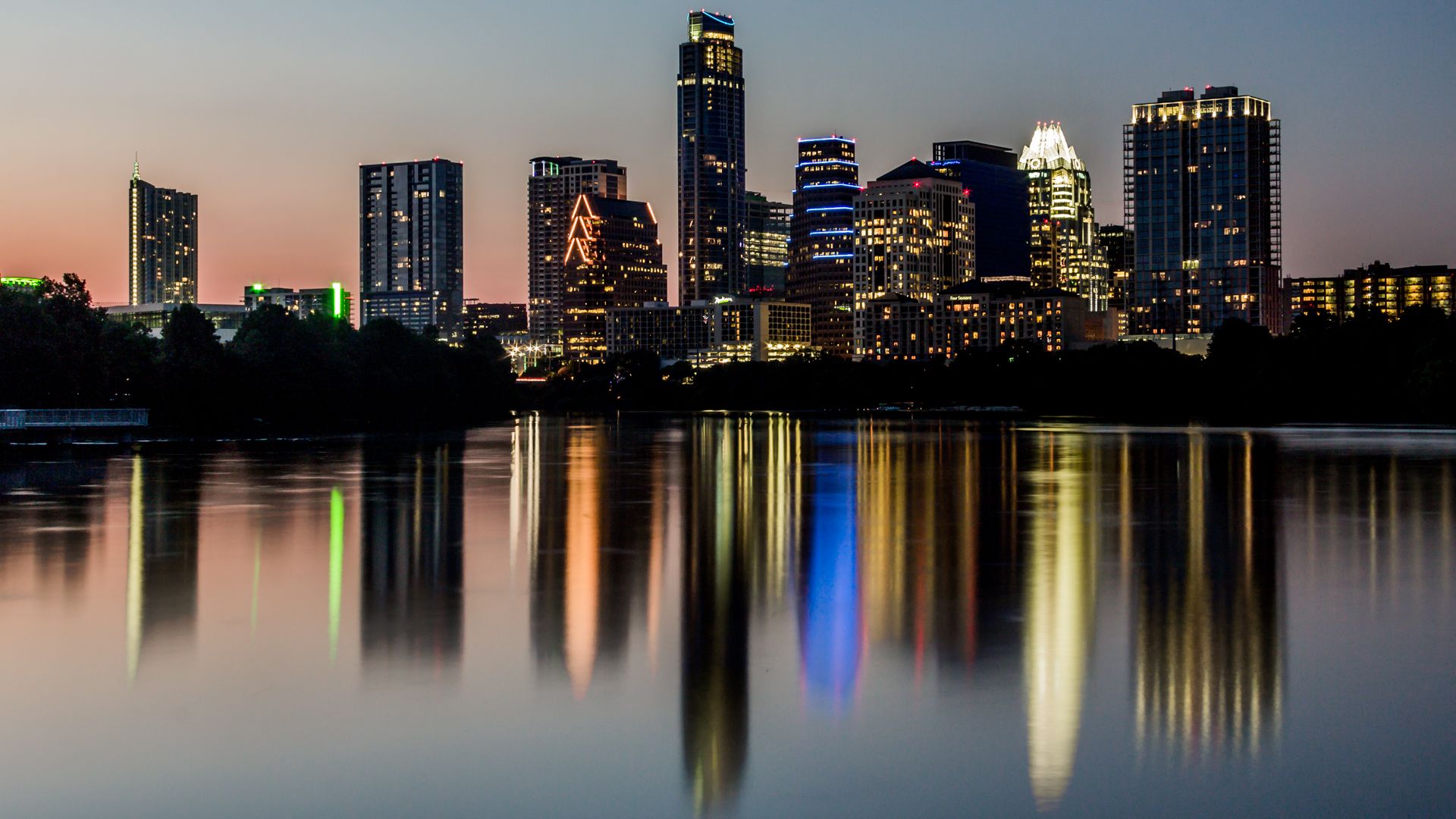
Austin's South Congress Avenue and the Sixth Street Entertainment District pulse with live music every night of the week, cementing the capital's reputation as the Live Music Capital of the World. San Antonio's River Walk and the iconic Alamo draw millions of visitors annually, offering a deep immersion in Texas's colonial and revolutionary heritage. Houston's Museum District is home to more than 19 museums, including the world-class Museum of Fine Arts, Houston and the Houston Museum of Natural Science. The Kimbell Art Museum in Fort Worth is widely regarded as one of the finest art museums in the United States.
Family Activities & Festivals
The San Antonio Stock Show & Rodeo and the Houston Livestock Show and Rodeo — one of the largest in the world — celebrate Texas's deep ranching heritage each spring. Families enjoy SeaWorld San Antonio and Six Flags Over Texas in Arlington throughout the summer months. The State Fair of Texas at Fair Park in Dallas runs each fall and is among the largest state fairs in the nation, featuring Big Tex, live entertainment, and legendary fried food.
Dining & Shopping
From legendary Central Texas barbecue joints to sophisticated Tex-Mex and Vietnamese cuisine in Houston's Midtown, the dining scene across Texas is as expansive as the state itself. Dallas's Deep Ellum neighborhood and Houston's Montrose district offer eclectic boutiques, galleries, and acclaimed restaurants. Whether you're exploring texas homes for sale in a vibrant urban neighborhood or a quiet Hill Country town, exceptional food and a warm sense of community are never far away.
History
From Republic to Real Estate: Texas Through the Ages
Texas has one of the most dramatic origin stories of any place in North America. On March 2, 1836, delegates gathered at Washington-on-the-Brazos to sign the Texas Declaration of Independence, severing ties with Mexico and establishing the Republic of Texas — a sovereign nation that existed for nearly a decade before annexation by the United States on December 29, 1845, as the 28th state. That fierce independent streak, born in revolution, still shapes the culture and the real estate market today.
Long before statehood, the land had been shaped by Caddo communities in the east, Spanish missions established near present-day Nacogdoches as early as 1690, and a ranching economy that defined the 19th century. The cattle drives of the post-Civil War era built fortunes and towns across the plains, but it was the discovery of oil at Spindletop in 1901 that fundamentally transformed Texas — funding cities, highways, and the suburban expansion that created many of the neighborhoods where people search for texas homes for sale today.
The mid-20th century brought diversification into aerospace, technology, and manufacturing. Houston became a global energy capital; Dallas grew into a financial and corporate hub; Austin evolved into a tech and cultural powerhouse. Each boom wave left its mark on the built environment — from postwar bungalow neighborhoods to gleaming new master-planned communities. Between 2012 and 2022, Texas added nearly 4 million residents, drawn by no state income tax, business-friendly policies, and an economy now valued at $2.77 trillion. That sustained demand underpins today's median home price of approximately $340,000 and continues to drive interest in houses for sale in Texas across every region of the state.
Weather
Texas Climate: Sun, Heat, and Seasonal Variety
Texas encompasses such an enormous geographic footprint — stretching from Gulf Coast marshes to High Plains prairies to Chihuahuan Desert foothills — that no single climate label fully captures the whole state. That said, the majority of Texans live in regions classified as humid subtropical, characterized by long, hot summers, mild winters, and moderate to generous rainfall. Western portions of the state trend toward semi-arid and arid conditions, while the Panhandle experiences a more continental pattern with sharper seasonal swings.
Summers across most of Texas are intense. Daytime highs routinely climb into the mid-90s to low 100s °F, with overnight lows rarely dipping below the mid-70s in the hottest months. Winters are comparatively mild — most central and southern areas see daytime highs in the 50s and 60s °F and lows in the 30s — though occasional Arctic cold fronts can push temperatures well below freezing, sometimes dramatically so. Spring and fall offer genuinely pleasant conditions, with warm days and cool evenings.
Precipitation varies widely by region. East Texas receives abundant rainfall, while West Texas can be strikingly arid. The Gulf Coast sees the influence of tropical systems, and severe weather — including thunderstorms, hail, and tornadoes across the central corridor — is a real seasonal consideration.
For anyone exploring texas homes for sale, climate shapes everyday living in practical ways: energy bills reflect heavy air-conditioning demands through long summers, outdoor living spaces are a genuine year-round asset in southern regions, and buyers should factor in storm-readiness, roof condition, and insulation quality when evaluating any property.
Texas Market Analytics
Can I Afford Texas?
Weather