
The Bronx, New York

Location:
The Bronx, NY

Welcome to The Bronx

The only borough of New York City located primarily on the North American mainland, The Bronx was first settled by European colonists in 1639 when Swedish immigrant Jonas Bronck established a 500-acre farm along the Harlem River — giving the borough both its name and a founding story unlike any of its four neighboring boroughs. Covering 42.2 square miles with a population of over 1.4 million, The Bronx is denser, more historically layered, and more culturally significant than its size on a map might suggest.

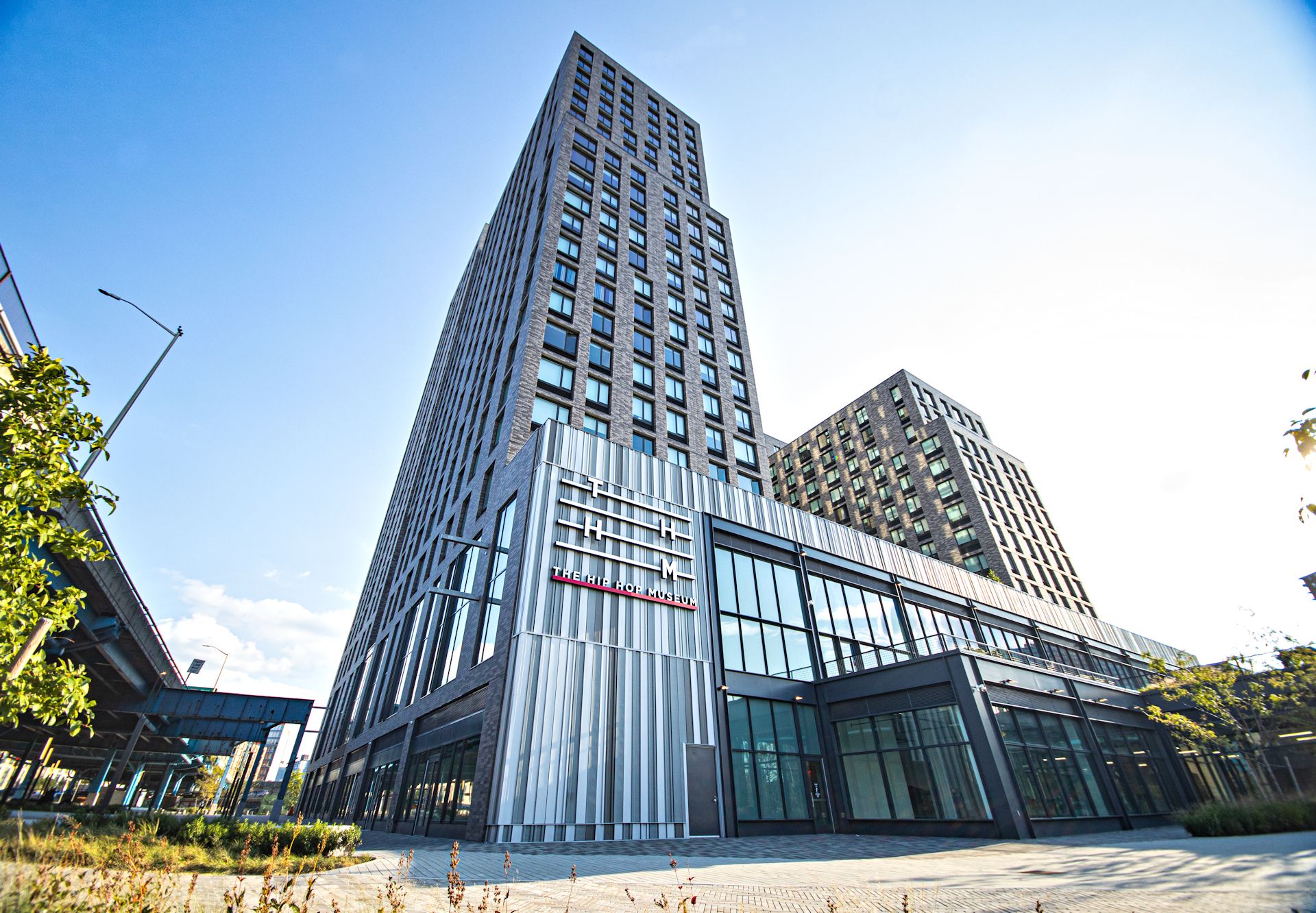
What sets The Bronx apart is the sheer concentration of assets within its borders. Yankee Stadium anchors the South Bronx skyline, while Pelham Bay Park — the largest public park in all of New York City — stretches across the northeast corner of the borough, offering more open space than Manhattan's Central Park three times over. The borough is also the birthplace of hip-hop, a cultural distinction no amount of urban rebranding can replicate elsewhere. Residents benefit from direct subway and Metro-North rail connections into Midtown Manhattan, making commutes genuinely practical.

With a median home price of $450,000 and ongoing public investment in revitalization, The Bronx represents one of the most compelling opportunities in the entire New York City market for buyers ready to invest in a borough whose best chapters are still being written.


Things to Do

Outdoor Recreation

The Bronx punches well above its weight when it comes to green space. Pelham Bay Park, at over 2,700 acres, is the largest park in all of New York City — nearly three times the size of Central Park — and offers hiking trails, a saltwater beach at Orchard Beach, and wildlife habitats along the Long Island Sound. In the northwest, Van Cortlandt Park draws runners, cyclists, and golfers year-round, while the Bronx River Greenway provides a scenic corridor for walking and cycling through the heart of the borough. About a quarter of the Bronx's total area is open space, making it a surprisingly verdant corner of the city.

Arts & Culture

The Bronx has a cultural footprint far larger than its reputation sometimes suggests. The Bronx Museum of the Arts on the Grand Concourse showcases contemporary work with a strong focus on artists of color and the surrounding community. History buffs will appreciate the Edgar Allan Poe Cottage in Fordham, where the poet spent his final years. The borough is also the birthplace of hip-hop — DJ Kool Herc's legendary 1973 block party in the Morris Heights neighborhood launched a global movement, and the legacy is celebrated throughout local culture and public art.

Family Activities & Nature

Few destinations in New York rival the Bronx for family-friendly outings. The Bronx Zoo, one of the largest metropolitan zoos in the world, is home to thousands of animals across more than 250 acres and draws millions of visitors annually. Just next door, the New York Botanical Garden spans 250 acres and features the spectacular Enid A. Haupt Conservatory, seasonal flower shows, and the Thain Family Forest — New York City's largest remaining old-growth forest, thousands of years old.

Sports & Dining

Baseball fans make pilgrimages to Yankee Stadium in the South Bronx, home of the storied New York Yankees. The area around the stadium buzzes on game days with street vendors and neighborhood energy. For dining, Arthur Avenue in the Belmont neighborhood is the real Little Italy of New York — a stretch of family-run Italian markets, bakeries, and restaurants that have anchored the community for generations. The Arthur Avenue Retail Market is an indoor food hall worth visiting any day of the week.

Latest Properties in The Bronx

Loading...

Loading latest properties...

See All Properties in The Bronx

History

From Jonas Bronck to the Modern Borough

The Bronx traces its European origins to 1639, when Jonas Bronck, a Swedish-born settler, arrived in the Dutch colony of New Netherland and purchased roughly 500 acres of land from the Lenape people north of the Harlem River. He established a farm called "Emmaus" near what is today Willis Avenue and 132nd Street in Mott Haven — a neighborhood that remains one of the Bronx's most densely populated communities. Bronck died in 1643, but the land bearing his name endured, and by 1874 the West Bronx was formally annexed to New York City, with the eastern sections following in 1895.

Through the late 19th and early 20th centuries, waves of Irish, German, Italian, and Eastern European immigrants transformed the borough into a thriving urban center, laying down the residential streetscapes that still define neighborhoods like Belmont and Fordham. Caribbean migration — particularly from Puerto Rico and the Dominican Republic — reshaped the borough's cultural identity through the mid-20th century. Then came the crisis: the 1970s and 1980s brought devastating urban decay, deindustrialization, and a wave of arson that gutted entire blocks of the South Bronx, triggering a 57 percent population collapse in that area and earning the borough a grim national reputation.

Yet the Bronx also gave the world something lasting from those difficult years. In August 1973, DJ Kool Herc hosted a block party in Morris Heights that is widely recognized as the birth of hip-hop — a cultural legacy that continues to shape the borough's identity today. Beginning in the late 1990s, sustained reinvestment and population growth reversed decades of decline. That recovery now underpins a real estate market where the median home price sits around $450,000 — significantly more accessible than Manhattan or Brooklyn — attracting first-time buyers and investors drawn to the borough's cultural richness and ongoing revitalization.

Weather

The Bronx experiences a humid subtropical climate — technically straddling the boundary with humid continental — shaped by its position at the northern edge of New York City and its proximity to Long Island Sound, the East River, and the Hudson River. These surrounding waterways moderate temperature extremes to a modest degree, though the borough still sees the full range of four distinct seasons.

Summers are warm and humid, with daytime highs typically climbing into the upper 80s°F and overnight lows settling in the mid-60s°F. Heat and humidity can combine to make July and August feel oppressive, and the dense urban fabric of the borough amplifies the heat island effect in many neighborhoods. Winters are cold but not severe, with average highs in the upper 30s to low 40s°F and lows that frequently dip into the mid-20s°F. Snowfall is a regular winter feature, though coastal proximity often means precipitation falls as rain or sleet rather than accumulating snow.

Annual precipitation is fairly evenly distributed throughout the year, averaging around 46–50 inches, with no pronounced dry season. Nor'easters can bring significant snow or rain events in late winter and early spring, occasionally causing flooding in low-lying areas near the borough's waterfront.

For prospective homeowners, these climate realities carry practical weight. Heating costs during prolonged cold stretches and cooling expenses through humid summers both factor meaningfully into household budgets. Older housing stock — common throughout much of the Bronx — may require attention to insulation, roofing, and weatherproofing to manage seasonal maintenance demands effectively.

The Bronx Market Analytics

Market analytics data coming soon.
Can I Afford The Bronx?
$
%
$0
Est. Monthly Payment
$0/yr
Salary Required

*Principal & interest only. Salary based on 28% debt-to-income ratio.

Get Pre-Approved for The Bronx