
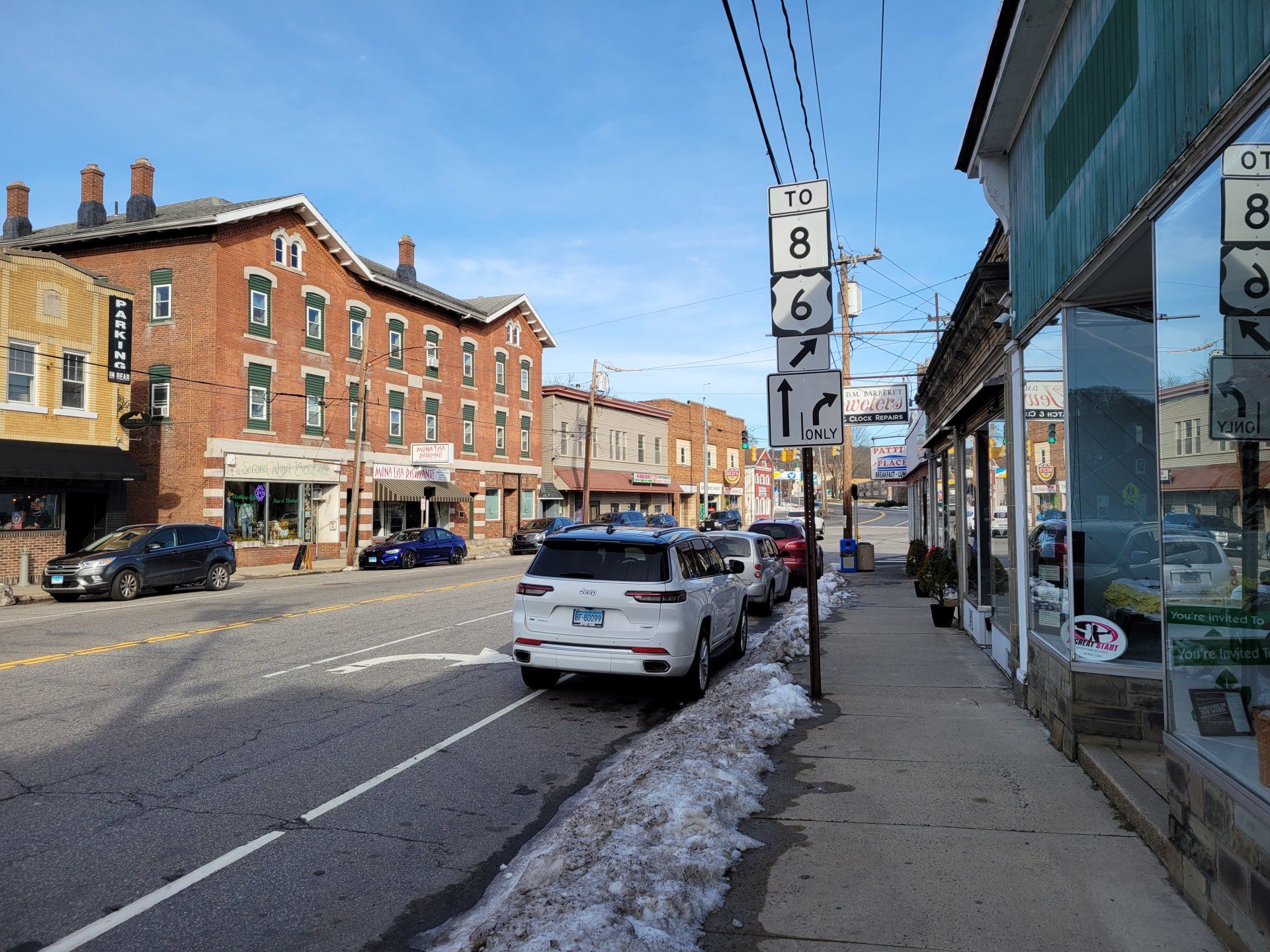
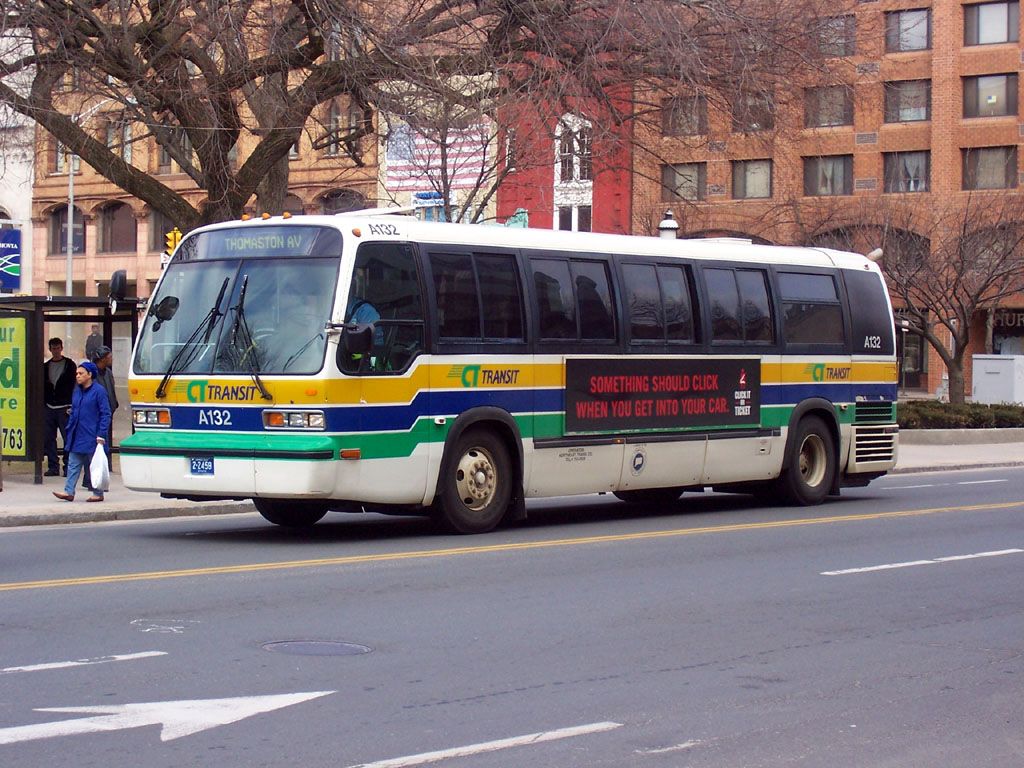
Thomaston, Connecticut

Location:
Thomaston, CT

Welcome to Thomaston

Incorporated in July 1875 and named after clockmaker Seth Thomas, whose factory operation began in Plymouth Hollow as early as 1813, Thomaston, Connecticut carries one of the most distinctive industrial origin stories in Litchfield County. The Seth Thomas Clock Company didn't just employ residents — it literally put the town on the map, pioneering mass-production techniques that made Connecticut the dominant force in American clockmaking for much of the 19th century. That heritage is still visible in the town's historic architecture and in a community identity shaped by precision, craft, and self-reliance.

Spread across 12.2 square miles along the Naugatuck River, Thomaston occupies a geographic and cultural middle ground that sets it apart from its neighbors. It offers the quieter pace and natural character of rural Litchfield County without the isolation, while remaining accessible to the commercial corridors of Waterbury to the south. The Thomaston Dam, managed by the U.S. Army Corps of Engineers, anchors a recreational area that draws hikers, anglers, and nature enthusiasts year-round. Families are served by the Thomaston Public School District, which keeps education local and community-connected.

With a median household income of over $81,000 and a stable population of roughly 7,500, Thomaston represents a grounded, attainable entry point into Connecticut homeownership — one where history adds character to every streetscape and the Naugatuck Valley's ongoing evolution continues to create opportunity.


Community Profile

Nestled in the Naugatuck Valley and part of the greater Waterbury-Shelton metro area, Thomaston offers a compelling blend of small-town character and regional connectivity that resonates strongly with today's home buyers. The town's population density of 279 people per square mile reflects a genuinely uncrowded, residential feel — the kind of breathing room that's increasingly rare in southern New England without sacrificing access to jobs, services, and culture.

Thomaston's position within the Naugatuck Valley places it at the heart of a historically rich and economically evolving corridor, with convenient reach to Waterbury's employment base, healthcare infrastructure, and retail amenities. For buyers seeking a community that balances affordability with quality of life, this corner of Litchfield County delivers a pace of living that feels intentional rather than isolated. The modest density supports well-kept neighborhoods, manageable traffic, and a genuine sense of community — attributes that are difficult to quantify but immediately felt upon arrival. Whether you're a young family drawn by the area's outdoor recreation along the Naugatuck River or a professional looking for a quieter base within commuting range of the broader Connecticut economy, Thomaston's demographic profile points to a community that is stable, approachable, and positioned for continued appeal.

Things to Do

Outdoor Recreation

Thomaston's greatest natural asset is the Naugatuck River, which winds through the heart of town and anchors much of the area's outdoor life. The Thomaston Dam, managed by the U.S. Army Corps of Engineers, creates a striking backdrop for hiking and wildlife observation, with trails that wind through the surrounding uplands and offer panoramic views of the Naugatuck Valley. The dam's recreation area is a favorite spot for anglers, picnickers, and birdwatchers, particularly during the spring and fall migration seasons. The broader Naugatuck State Forest, which touches Thomaston's edges, provides additional miles of trails for hikers, mountain bikers, and hunters.

Arts & Culture

History runs deep in Thomaston, and the town wears its industrial heritage proudly. The Seth Thomas Clock Company building stands as a monument to the era when Thomaston was the clockmaking capital of America, and exploring the surrounding historic district gives visitors a vivid sense of 19th-century New England industrial life. The Thomaston Opera House, a beautifully preserved Victorian-era venue on Main Street, hosts live theater, concerts, and community performances throughout the year — a genuine cultural gem for a town of this size and a beloved gathering place for residents across Litchfield County.

Family Activities

Families will find plenty to enjoy in and around Thomaston. The Railroad Museum of New England, located right in town, offers scenic excursions aboard vintage trains along the Naugatuck River corridor — a particularly magical experience during the fall foliage season and the popular Polar Express-themed holiday rides that draw visitors from across the region. Local parks and recreation fields provide space for youth sports leagues and casual outdoor play throughout the warmer months.

Dining & Local Character

Thomaston's dining scene reflects its tight-knit, unpretentious character, with locally owned diners, pizzerias, and casual eateries clustered along Main Street and the surrounding downtown area. The town is also conveniently situated within a short drive of Waterbury and the broader Litchfield Hills, putting a wider range of restaurants, wineries, and farm stands well within reach for residents and visitors alike.

Latest Properties in Thomaston

Loading...

Loading latest properties...

See All Properties in Thomaston

History

From Plymouth Hollow to Present-Day Neighborhood Character

Thomaston's story begins not with the town itself but with a clockmaker. In 1813, Seth Thomas established a clock manufacturing operation in a small river valley settlement then known as Plymouth Hollow, applying mass-production techniques pioneered by Eli Terry to produce affordable wooden-movement clocks at factory scale. The enterprise grew steadily — by 1850, the operation was turning out 24,000 clocks annually — and when the Seth Thomas Clock Company was formally incorporated in 1853, it anchored an entire regional economy. The Naugatuck River powered the mills; immigrant workers from Ireland and continental Europe filled the factory floors; and ancillary metalworking firms clustered around the clock company, giving the village its dense, working-class industrial character. In recognition of Thomas's legacy, the Connecticut General Assembly incorporated the area as the independent town of Thomaston on July 6, 1875.

That industrial identity held firm for well over a century — until August 1955, when catastrophic flooding severely damaged the factory and began a long unraveling. Corporate acquisition in 1968, headquarters relocation to Georgia in 1979, and a final factory closure on April 15, 1983 ended 168 years of local clock production. The loss was acute for a town whose economy and identity had been nearly synonymous with a single employer.

What the industrial era left behind, however, is precisely what shapes Thomaston's real estate market today. The compact mill-town streetscapes, the modest but well-built worker housing, and the handsome historic architecture of the Seth Thomas era give the town a tangible sense of place that newer suburban communities simply cannot replicate. With a current population of roughly 7,500 spread across just 12.2 square miles and a median household income of $81,667, Thomaston attracts buyers who want Litchfield County character at accessible price points — a direct inheritance of its working-class roots.

Weather

Four Distinct Seasons Define Life in Thomaston

Thomaston, Connecticut experiences a humid continental climate, characterized by four well-defined seasons, meaningful temperature swings, and reliable precipitation spread throughout the year. Nestled in Litchfield County within the Naugatuck River valley, the town sits at an inland elevation that insulates it from coastal moderation, meaning summers can feel genuinely warm and winters arrive with real force.

Summer highs typically reach the mid-to-upper 80s°F, with overnight lows settling into the 60s. Humidity is noticeable but rarely oppressive, and the surrounding hills and river corridor offer pleasant breezes. Winters are cold and snowy — daytime highs often hover in the low-to-mid 30s°F, with overnight lows frequently dipping into the teens. Annual snowfall can exceed 40 inches, and Thomaston's inland position means it misses the moderating effect that softens winters closer to Long Island Sound.

Precipitation is fairly evenly distributed across all seasons, averaging roughly 47–50 inches annually, including both rain and snow. Spring brings significant rainfall, and the Naugatuck River valley has historically been prone to periodic flooding during heavy rain events — a genuine consideration for prospective buyers evaluating properties near lower elevations.

For real estate purposes, the climate shapes several practical realities. Heating costs are a meaningful budget line for homeowners, and older homes — of which Thomaston has many — benefit from quality insulation and updated systems. Outdoor living spaces are genuinely enjoyed from late spring through early fall, while seasonal maintenance demands, from roof snow loads to spring drainage, are simply part of owning property in this corner of New England.

Thomaston Market Analytics

The Thomaston housing market is showing signs of stability, with the average home value increasing by 1.1% over the past year to $333,698, indicating a balanced market where neither buyers nor sellers have a significant advantage. As a trusted advisor at Opulist, I can help you navigate this market and make informed decisions about your home purchase or sale. With limited inventory available, it's essential to stay informed about the local market trends and work with a knowledgeable professional to achieve your real estate goals.


1-Year Home Value Change: +1.1%

Thomaston Home Value Index over time.

Can I Afford Thomaston?
$
%
$0
Est. Monthly Payment
$0/yr
Salary Required

*Principal & interest only. Salary based on 28% debt-to-income ratio.

Get Pre-Approved for Thomaston