
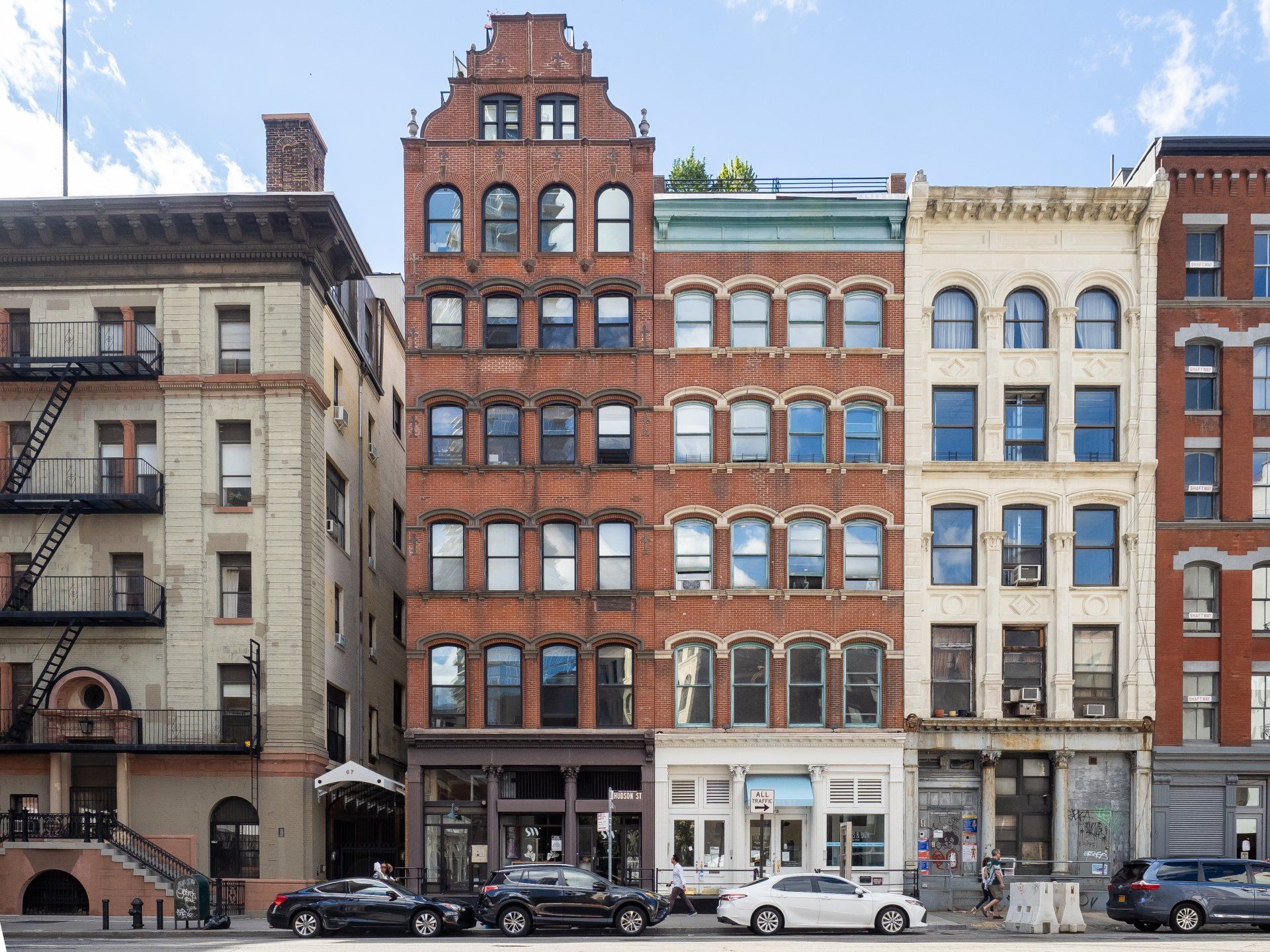
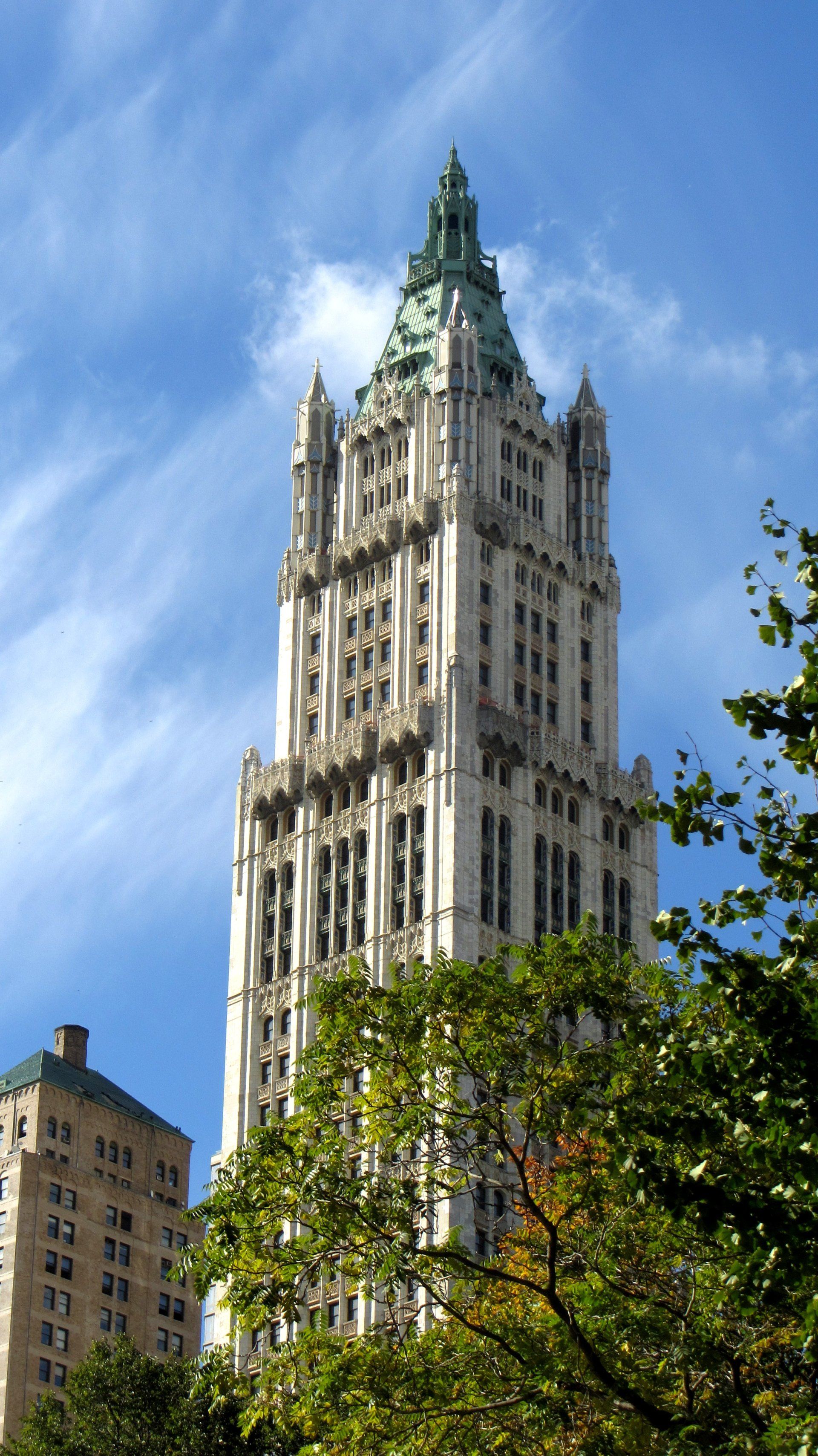
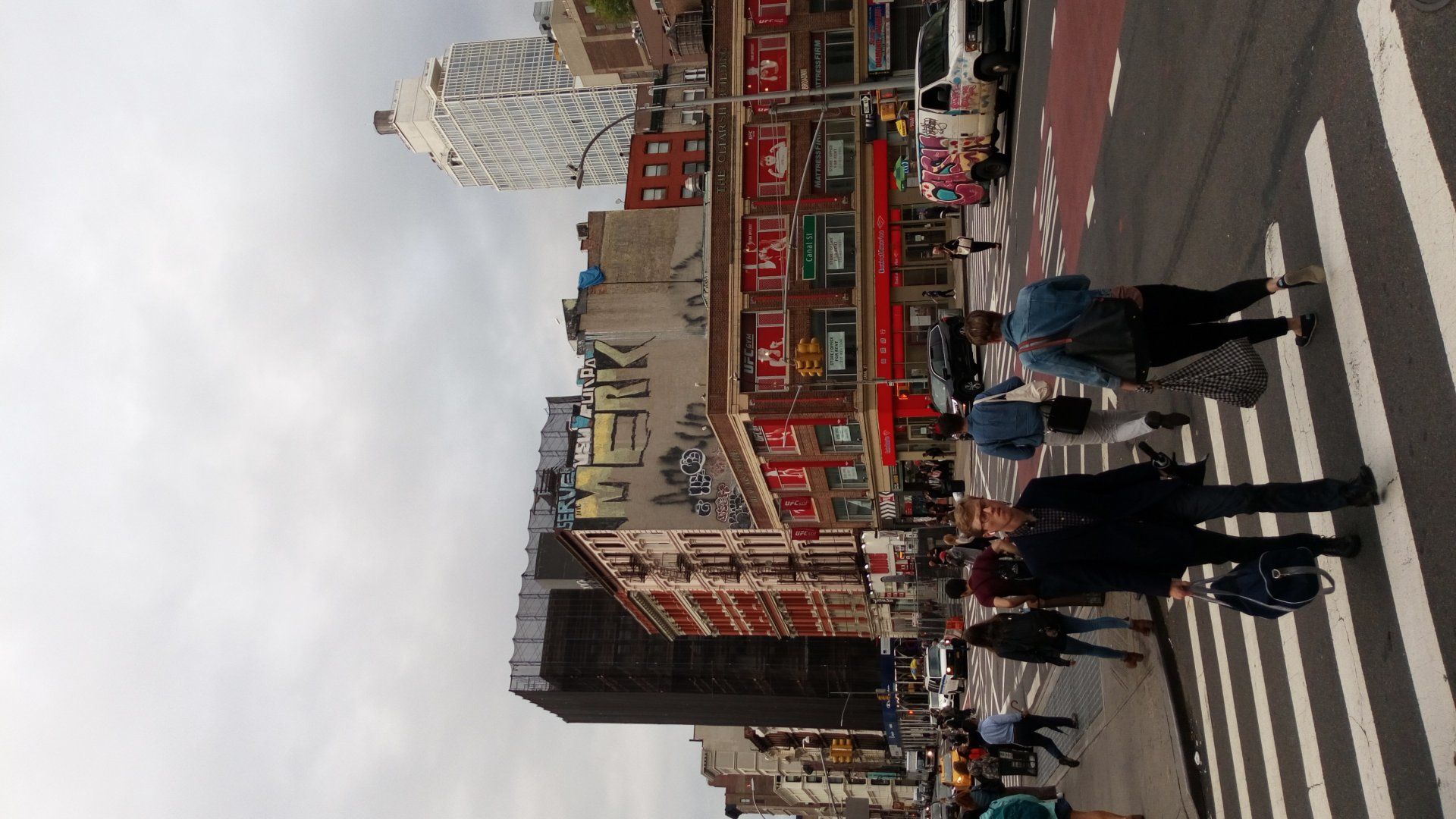
Tribeca — short for "Triangle Below Canal Street" — occupies just 0.35 square miles in Lower Manhattan, yet it consistently ranks among the most expensive and sought-after neighborhoods in the United States. Bounded by Canal Street to the north, the Hudson River to the west, Broadway to the east, and Chambers Street to the south, the neighborhood carved its identity from 19th-century warehouses and cast-iron loft buildings that once served Manhattan's textile and wholesale produce trades. What separates Tribeca from neighboring SoHo and the Financial District is the rare combination of architectural scale, residential quiet, and cultural prestige — wide cobblestone streets, generous ceiling heights, and a median household income exceeding $250,000 speak to a community that has thoroughly reinvented itself without erasing its industrial bones. The 1 train at Franklin Street Station connects residents directly to Midtown and the rest of the city. The Tribeca Festival, founded in 2002 by Robert De Niro and partners in the aftermath of September 11, cemented the neighborhood's global profile. For those exploring real estate in Tribeca, New York, the fundamentals — location, history, transit, and cultural cachet — point unmistakably toward enduring value.
Welcome to Tribeca
Things to Do
Arts & Culture
Tribeca has earned its reputation as one of Manhattan's most culturally rich neighborhoods, and no event captures that spirit better than the Tribeca Festival. Founded in 2002 by Robert De Niro, Jane Rosenthal, and Craig Hatkoff in direct response to the devastation of September 11, the festival was conceived as a catalyst for downtown revitalization. What began as a film-focused event has grown into a sprawling celebration of cinema, music, and immersive media that takes over the neighborhood each spring, drawing global audiences and transforming cobblestone streets into open-air venues. Beyond the festival, the neighborhood's cast-iron loft buildings and converted warehouses house a constellation of art galleries that make an afternoon of gallery-hopping a genuine pleasure year-round.
Outdoor Recreation
Tribeca's western edge opens onto the Hudson River Greenway and the network of piers and green spaces that line the waterfront. Rockefeller Park, tucked into the northern reaches of Battery Park City just steps from the neighborhood's southern border, offers sweeping river views, open lawns, and a beloved children's play area. The greenway itself invites cyclists, joggers, and walkers along one of the most scenic urban paths in the country, with the Statue of Liberty visible across the water on clear days. Washington Market Park, a beloved neighborhood green space on Greenwich Street, provides a more intimate retreat — a fenced playground, a community garden, and a farmers' market that draws locals on weekends.
Dining & Nightlife
The dining scene in Tribeca reflects the neighborhood's affluent, cosmopolitan character. Locanda Verde, Robert De Niro's celebrated Italian-American restaurant inside the Greenwich Hotel on Greenwich Street, remains one of the most sought-after reservations downtown. Odeon on West Broadway is a neighborhood institution — a classic brasserie that has anchored Tribeca's social life since the 1980s. For those exploring real estate in Tribeca, New York, the density of exceptional restaurants within walking distance is consistently cited as one of the neighborhood's most compelling lifestyle advantages.
Family Activities & Shopping
Tribeca has evolved into one of Manhattan's most family-friendly enclaves, with Washington Market Park serving as a natural gathering point for young families. The Children's Museum of the Arts, located on Hudson Street, offers hands-on creative programming for kids of all ages and is a neighborhood staple. For shopping, the stretch of Greenwich Street and Hudson Street delivers a curated mix of independent boutiques, home goods stores, and specialty shops that reflect the neighborhood's design-conscious sensibility — a far cry from the wholesale warehouses that once defined these very same blocks.
History
From Farmland to Manhattan's Most Coveted Address
The land that would become Tribeca has been continuously transformed for nearly four centuries. In 1636, Dutch settler Roeleff Jansen obtained a land patent — known as Dominie's Bouwery — from Governor Wouter van Twiller, and the area remained in agricultural use through the colonial era. In 1705, Queen Anne granted the tract to Trinity Church, which in 1807 built St. John's Chapel on Varick Street and developed the surrounding Hudson Square into one of Manhattan's earliest residential neighborhoods beyond its colonial boundaries.
The neighborhood's industrial identity took shape in the 1840s, when shipping activity shifted from the East River to the Hudson River's longer piers, fueling the expansion of Washington Market — originally opened in 1813 — and drawing wholesale produce, dry goods, and textile trades into the district. The 1825 completion of the Erie Canal had already made New York Harbor a critical node for inland commerce, and Tribeca's warehouses and cast-iron loft buildings became the physical infrastructure of that trade. By the late 19th century, the neighborhood was a dense industrial zone of textile production, coffee roasting, and light manufacturing.
The name "Tribeca" — a portmanteau of "Triangle Below Canal Street" — wasn't coined until the early 1970s, when the area's industrial economy was collapsing. Artists moved into the spacious, affordable lofts, and zoning changes formalized the neighborhood's transition. Gentrification accelerated through the 1980s and 1990s, converting former factories into high-end condominiums. The founding of the Tribeca Film Festival in 2002 by Robert De Niro, Jane Rosenthal, and Craig Hatkoff — a direct response to the economic devastation of September 11 — cemented the neighborhood's cultural identity and global profile.
Those same cast-iron and brick warehouse buildings that once stored butter and textiles now house some of the most sought-after real estate in Tribeca, New York, with a median home price of $3 million reflecting both the neighborhood's architectural heritage and its enduring cachet.
Weather
Tribeca sits squarely within a humid subtropical climate zone (Köppen Cfa), shaped by its position in Lower Manhattan at the edge of the Hudson River. This waterfront location moderates temperature extremes somewhat, but residents still experience the full range of New York City's four seasons.
Summers are warm and humid, with daytime highs typically climbing into the upper 80s°F and overnight lows settling in the mid-60s°F. The Hudson River provides occasional relief, but urban heat island effects — intensified by Tribeca's dense masonry and cobblestone streetscapes — can make July and August feel particularly sultry. Winters are cold but rarely severe by northeastern standards, with daytime highs generally in the mid-30s to low 40s°F and lows dipping into the upper 20s°F. Significant snowfall is possible but inconsistent from year to year.
Precipitation is distributed fairly evenly across all seasons, averaging roughly 46–50 inches annually, with no pronounced dry season. Nor'easters can bring heavy snow or rain in late winter, and the neighborhood's proximity to the waterfront makes it attentive to coastal storm surge — a concern that gained sharp focus after Hurricane Sandy in 2012.
For anyone evaluating real estate in Tribeca, New York, these climate realities translate into meaningful considerations: rooftop terraces and Hudson River-facing outdoor spaces are genuinely usable for much of the year, while older converted loft buildings may carry higher heating and cooling costs. Waterproofing, flood insurance, and building resilience have become increasingly important factors in the neighborhood's premium property market.
Tribeca Market Analytics
Tribeca Home Value Index over time.
Can I Afford Tribeca?
Weather