
Upper Nyack, New York

Location:
Upper Nyack, NY

Welcome to Upper Nyack

Incorporated in 1872 on the west bank of the Hudson River, Upper Nyack is a small Rockland County village of roughly 2,000 residents that punches well above its weight in history, scenery, and architectural character. While neighboring Nyack draws most of the foot traffic with its shops and restaurants, Upper Nyack offers something distinctly different: a quieter, more residential pace of life anchored by genuine historic depth and direct access to the natural landscape.

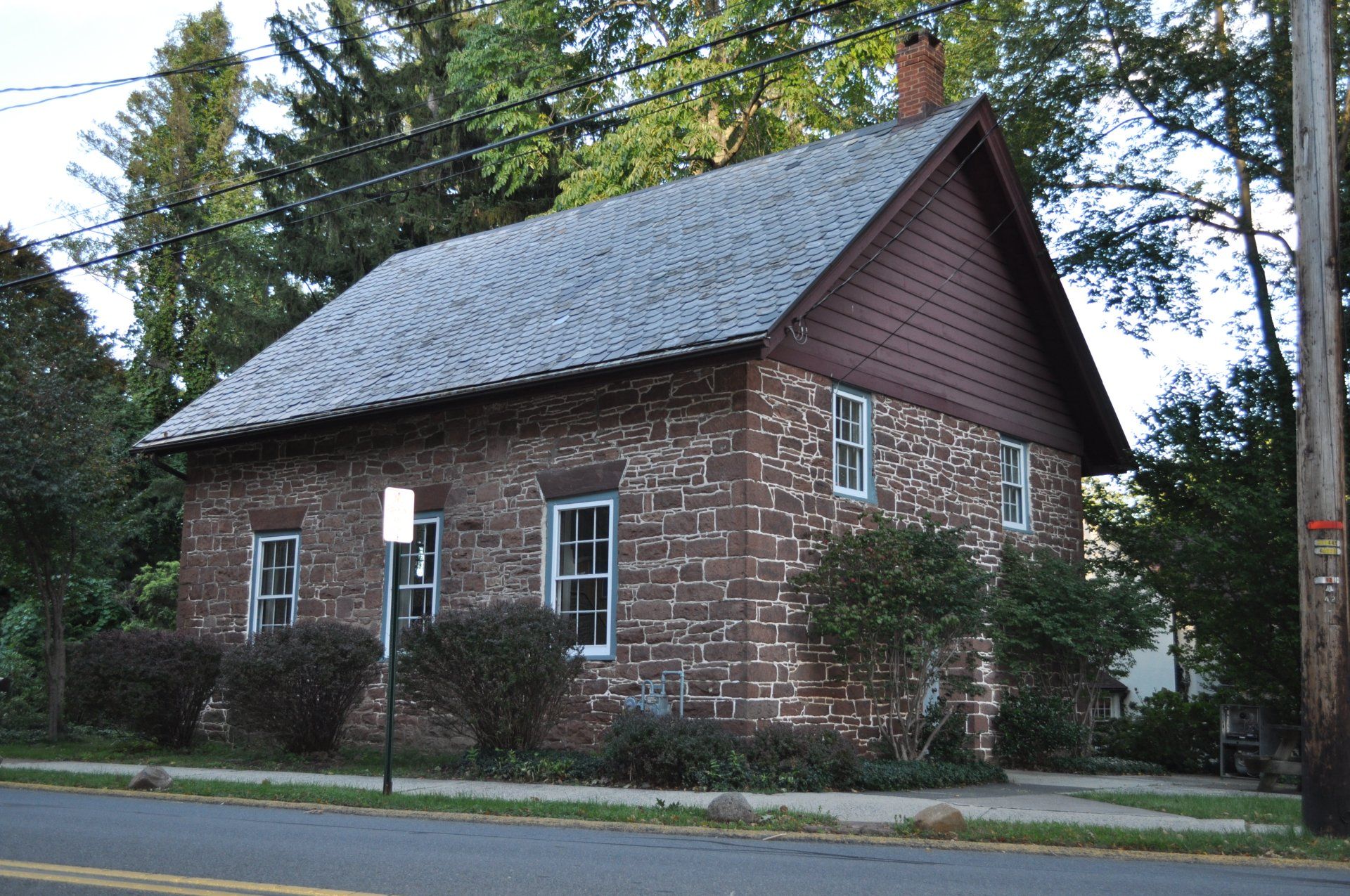
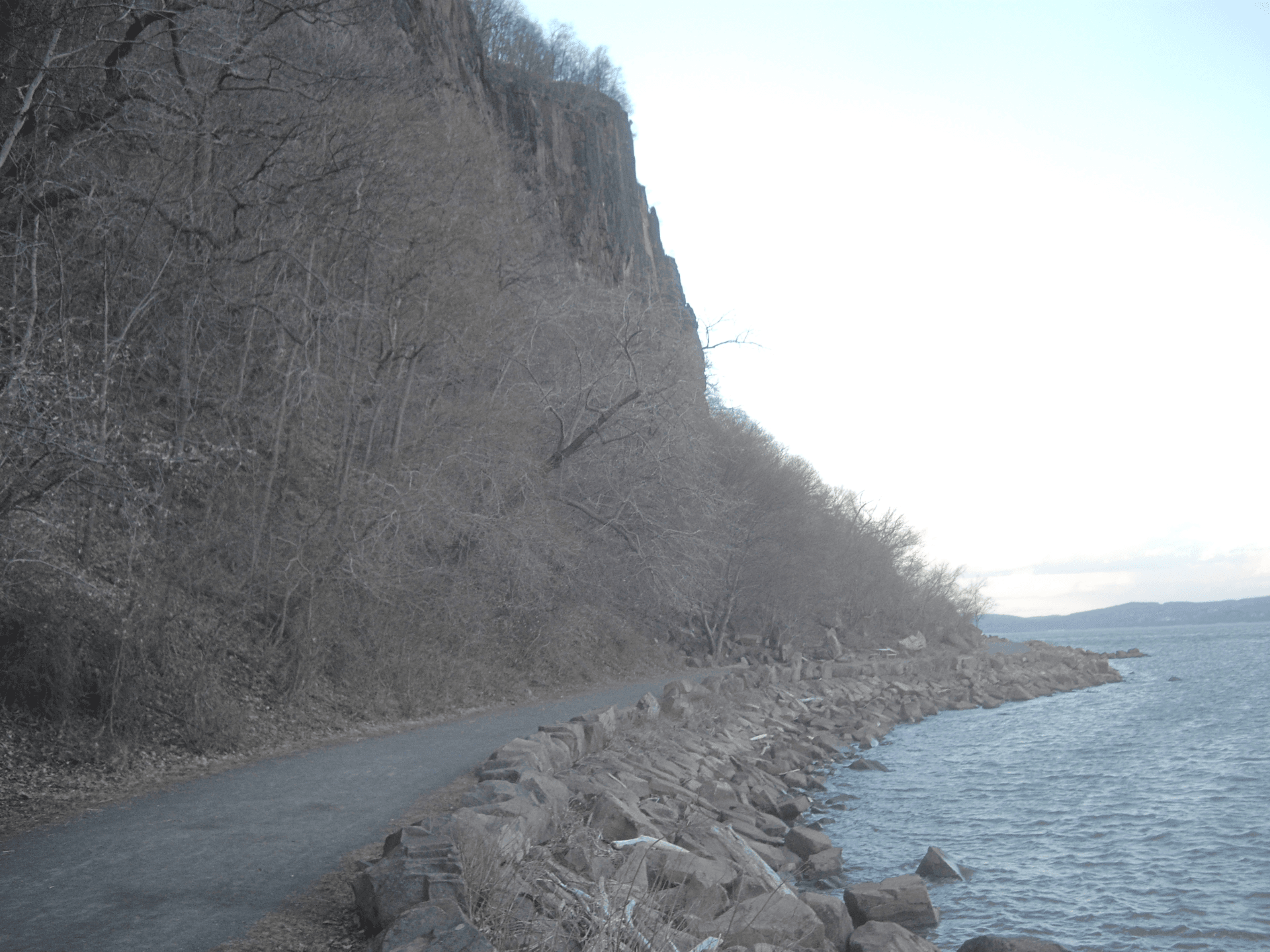
The village sits just north of where the Mario M. Cuomo Bridge spans the Hudson, placing Manhattan commuters within striking distance of the city while keeping them firmly rooted in the Hudson Valley's unhurried rhythms. Hook Mountain State Park — a National Natural Landmark — rises along the village's western edge, offering hiking trails and sweeping river views that residents can reach on foot. The Old Stone Church on North Broadway, built in 1813–1814 from native stone, stands as Rockland County's oldest church building and signals just how layered Upper Nyack's past truly is.

With a median household income above $103,000 and a poverty rate under three percent, Upper Nyack attracts buyers who want character, green space, and proximity to New York City — without sacrificing the sense of place that newer suburbs simply cannot manufacture.


Community Profile

Tucked along the western bank of the Hudson River in Rockland County, this small but remarkably accomplished village of just 1,991 residents punches well above its weight in nearly every measure of prosperity and education. The median household income here stands at an impressive $188,125 — more than double the national median — and a striking 67% of households earn six figures or more. That financial strength is reflected in the housing market as well, where a 94% homeownership rate far exceeds the national average of 65.5%, signaling a community of deeply rooted, committed neighbors. Those exploring upper nyack ny real estate will find a median home value of $718,988, consistent with the premium that Hudson Valley riverfront living commands.

The community skews toward established, experienced households, with a median age of 51.4 years and 23.7% of residents over 65 — hallmarks of a settled, stable enclave. Education levels are exceptional: 72.4% of adults hold a bachelor's degree or higher, more than double the national rate, and 40.5% have earned a graduate degree. Nearly 40% of residents hold STEM credentials, reflecting the kind of professional depth you'd expect from a community within commuting distance of the New York metro. With an average commute of 39.3 minutes and just 2.1% of residents uninsured, the quality-of-life fundamentals here are genuinely strong. For buyers considering homes for sale in Upper Nyack, NY, this is a village where neighbors are invested — literally and figuratively.

Things to Do

Outdoor Recreation

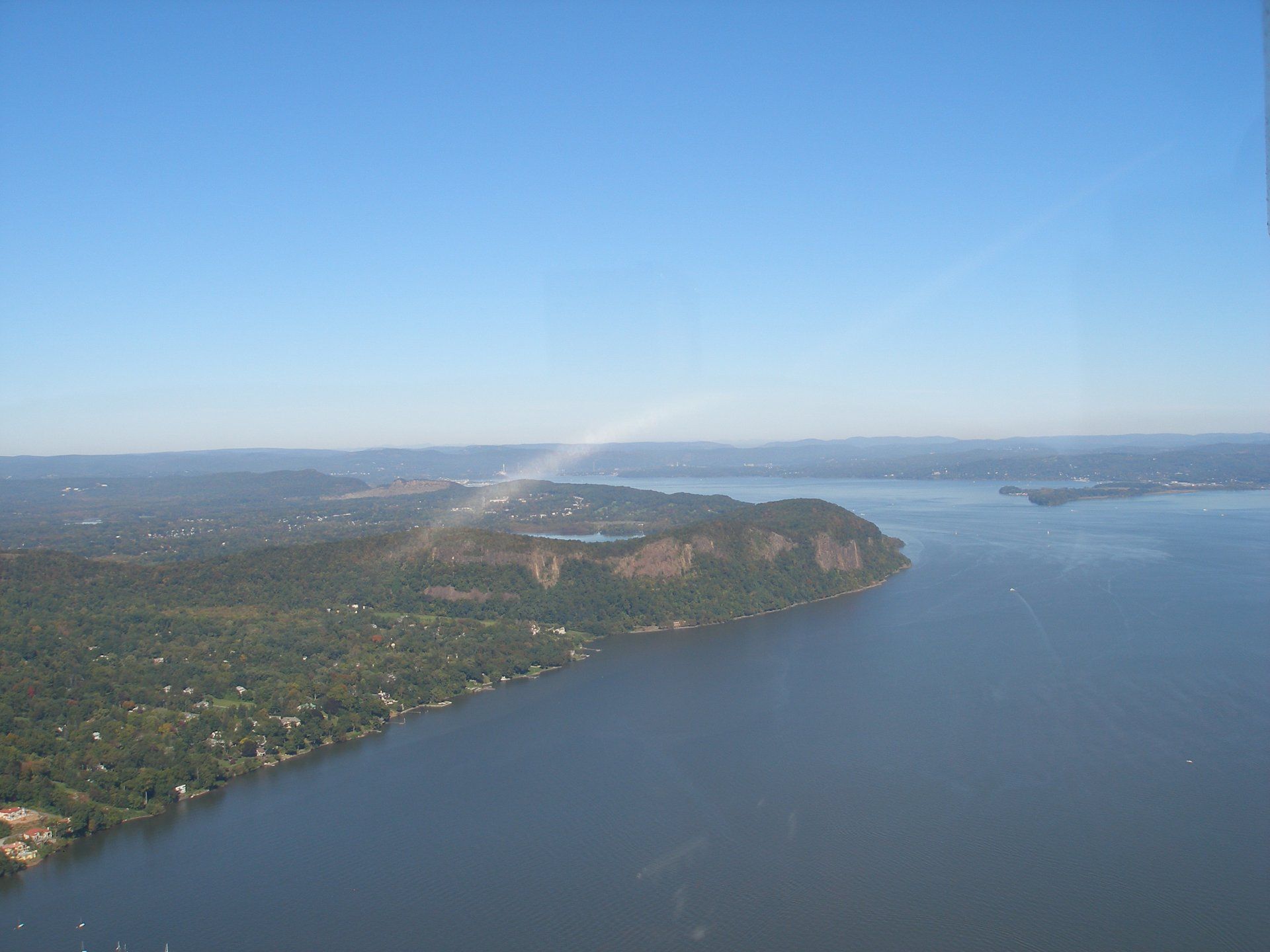
Upper Nyack is a paradise for those who love the outdoors, anchored by two exceptional state parks right at the village's doorstep. Hook Mountain State Park rises dramatically above the Hudson River, offering rugged hiking trails with sweeping panoramic views across the Tappan Zee. Early Dutch settlers called it Verdrietige Hook — "Tedious Point" — but today's hikers find anything but tedium along its rocky ridgelines. Designated a National Natural Landmark, Hook Mountain connects seamlessly with the adjacent Nyack Beach State Park, where a flat riverside trail hugs the water's edge and makes for a spectacular walk, run, or bike ride in any season. Together, these parks draw outdoor enthusiasts from across the region, particularly in autumn when the Hudson Valley foliage is at its most spectacular.

History & Culture

History is woven into nearly every corner of Upper Nyack. The Old Stone Church at 347 North Broadway, built between 1813 and 1814 from native stone and hand-hewn timbers, stands as Rockland County's oldest surviving church building and is listed on the National Register of Historic Places. Nearby, the Van Houten's Landing Historic District preserves the character of the village's riverfront heritage, while Brookside — the elegant Italian Villa-style mansion at 406 North Broadway, also on the National Register — offers a vivid glimpse into the Gilded Age, when wealthy New Yorkers built grand country retreats along these Hudson River bluffs. History buffs will also want to seek out the Old Palmer Burying Ground on Old Mountain Road, where colonial-era settlers and Revolutionary War veterans rest beneath early red sandstone markers.

Dining & Local Flavor

Upper Nyack's small-village character means residents often venture the short distance into neighboring Nyack — just a mile to the south — for a lively dining scene that includes everything from casual waterfront spots to eclectic independent restaurants. The broader Nyack area is well known for its walkable Main Street energy, boutique shopping, and diverse culinary offerings that punch well above the weight of a village this size.

Family Activities & Day Trips

Families will find plenty to keep everyone engaged. The Hudson River waterfront provides a natural backdrop for picnicking, birdwatching, and simply watching the wide Tappan Zee shimmer in the afternoon light. Rockland Lake State Park, just to the north, adds swimming, golf, and cycling to the mix. And for cultural day trips, New York City is roughly 30 miles south, easily reachable by the nearby Tappan Zee Bridge corridor or regional transit connections through Nyack.

Latest Properties in Upper Nyack

Loading...

Loading latest properties...

See All Properties in Upper Nyack

History

Upper Nyack's story begins long before European contact, when the Tappans — an Algonkian-speaking people related to the Lenape — inhabited the land along the Hudson's western bank. That changed in 1686 when Cornelius Claesen Kuyper arrived from what is now Jersey City, farming more than 2,000 acres under a colonial patent and going on to serve as Justice of the Peace, militia colonel, and member of the New York Colonial Assembly. When Kuyper died in 1731, he divided his holdings among his heirs in the Dutch tradition, carving Upper Nyack into the large parcels that would shape its landscape for generations.

By the mid-19th century, the extension of the Northern Railroad of New Jersey into the area sparked rapid growth along the Hudson corridor. Upper Nyack incorporated as its own village in 1872 — a deliberate move by northern residents who, fearing higher taxes under a unified Nyack government, chose to form their own municipal corporation. That independent streak has never entirely disappeared.

The Gilded Age brought a new wave of transformation. Affluent New Yorkers seeking Hudson Valley retreats built grand country estates along North Broadway, including Brookside, constructed circa 1865 and later expanded with Colonial Revival flourishes around 1890. Listed on the National Register of Historic Places in 2012, Brookside exemplifies the architectural legacy that still defines the village's most coveted residential corridors today.

Those layers of history — colonial farmsteads, Victorian estates, and a fiercely independent civic identity — translate directly into Upper Nyack's current real estate character. The village remains small by design, with just over 2,000 residents, a median household income above $103,000, and a housing stock that rewards buyers who value historic fabric, mature tree canopy, and proximity to Hook Mountain State Park and the Hudson River.

Weather

Upper Nyack experiences a humid continental climate, shaped by its position on the west bank of the Hudson River in Rockland County. The river's presence acts as a moderating influence, softening temperature extremes compared to inland areas at similar latitudes, while the nearby ridgeline of Hook Mountain provides a degree of shelter from prevailing westerly winds.

Summers are warm and humid, with daytime highs typically ranging from the mid-80s°F and overnight lows settling in the upper 60s. July is the warmest month, and the combination of heat and humidity can make extended stretches feel quite oppressive. Winters are cold but not severe by northeastern standards, with average highs in the mid-30s°F and lows dipping into the teens and low 20s during the coldest stretches in January and February. Snowfall is a regular feature of winter, typically accumulating across multiple events each season.

Annual precipitation is well-distributed throughout the year, averaging roughly 45 to 50 inches, with no pronounced dry season. Spring and fall are particularly pleasant — mild temperatures, lower humidity, and vivid seasonal color make these the most celebrated times of year along the Hudson Valley.

For prospective homeowners, the climate carries meaningful practical implications. Outdoor living spaces — decks, terraces, and river-view patios — are highly desirable and usable through a generous warm-weather season. Heating costs are a genuine consideration during cold winters, and older homes require diligent seasonal maintenance, including weatherproofing, gutter clearing, and attention to snow loads on roofs and driveways.

Upper Nyack Market Analytics

The Upper Nyack real estate market is showing signs of steady growth, with the average home value increasing by 6.0% over the past year to $863,216, which is a positive trend for sellers, and as a real estate market analyst at Opulist, I can help you navigate this market. This suggests that the market is still favoring sellers, but with only 7 homes for sale, inventory is relatively low, which could lead to a more balanced market in the future. Overall, the Upper Nyack market appears to be healthy and stable, making it a good time to buy or sell a home with the guidance of Opulist.


1-Year Home Value Change: +6%

Upper Nyack Home Value Index over time.

Can I Afford Upper Nyack?
$
%
$0
Est. Monthly Payment
$0/yr
Salary Required

*Principal & interest only. Salary based on 28% debt-to-income ratio.

Get Pre-Approved for Upper Nyack