
Upper Red Hook, New York

Location:
Upper Red Hook, NY

Welcome to Upper Red Hook

Upper Red Hook is a hamlet and census-designated place in the Town of Red Hook, Dutchess County, situated along New York State Route 9 in one of the Hudson Valley's most storied corridors. Though small in footprint — just 0.2 square miles — it carries an outsized historical weight: this was a recognized settlement along the Albany Post Road as far back as the American Revolutionary War, when Thomas' Tavern served travelers and locals alike, and when Judge Egbert Benson, New York's first Attorney General, called the area home.

What sets Upper Red Hook apart from its neighbors is its particular combination of deep historical character and modern economic vitality. Unlike the more commercially developed Village of Red Hook to the south, Upper Red Hook retains a quiet, rural residential quality, with farmland views and a median household income well above state averages. The hamlet sits within the Hudson River National Historic Landmark District, placing it among landscapes of recognized architectural and natural significance, and students here are served by the Red Hook Central School District.

For buyers seeking a grounded, historically rich address in Dutchess County — with easy access to the Kingston-Rhinecliff Bridge and the broader Hudson Valley — Upper Red Hook represents a compelling place to put down roots.


Community Profile

Tucked into the rolling countryside of Dutchess County, this small but remarkably prosperous hamlet tells a compelling story through its numbers. With a median household income of $151,786 — more than double the national median — and a striking 91.6% of households earning six figures or more, Upper Red Hook stands among the most affluent small communities in the Hudson Valley. Yet the wealth here feels grounded: a homeownership rate of 76.7% outpaces the national average of 65.5%, and with just 120 total housing units spread across a low-density landscape, the community retains an intimate, unhurried character that money alone can't manufacture.

The demographic profile skews strongly toward established families. Nearly 69.3% of residents are married, the average family size is 3.03 people, and a notable 35% of the population is under age 20 — a sign that young children and teenagers are very much part of daily life here. A median age of 38.1 years keeps the community energetic, while 58% of families bring in dual incomes, reflecting a confident, career-oriented population. Education runs deep as well: 56.5% hold at least a bachelor's degree — well above the national rate of 33% — and 22.8% have backgrounds in STEM fields. Perhaps most remarkable of all, the community records a 0% poverty rate and 0% uninsured rate, benchmarks that speak to a genuine, across-the-board stability that prospective homebuyers will find hard to overlook.

Things to Do

Outdoor Recreation

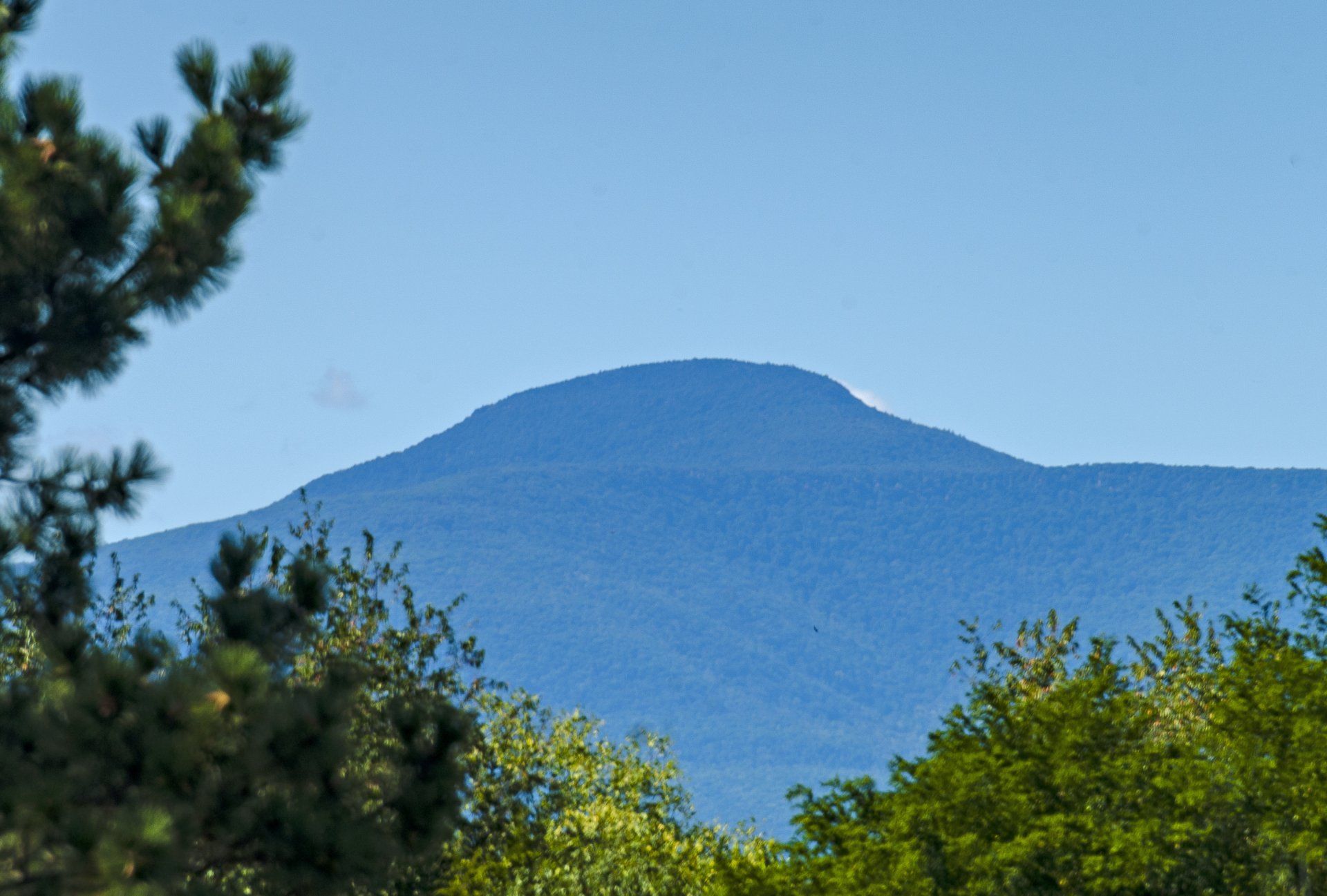
Upper Red Hook's greatest recreational asset is its setting within the Hudson River National Historic Landmark District, a sweeping landscape of farmland, riverfront scenery, and protected natural areas stretching west of Route 9G. The nearby Tivoli Bays Estuarine Research Reserve — one of the Hudson Valley's most ecologically significant wetland preserves — offers exceptional birdwatching, kayaking, and nature walks along tidal marshes and wooded shorelines. Tivoli Bays is a short drive from the hamlet and draws naturalists and outdoor enthusiasts throughout all four seasons, with spring migration and fall foliage among the most spectacular times to visit.

Arts & Culture

Upper Red Hook sits within easy reach of some of the Hudson Valley's most celebrated cultural institutions. Bard College in nearby Annandale-on-Hudson brings a constant stream of lectures, performances, and exhibitions to the region, including programming at the Fisher Center for the Performing Arts, a Frank Gehry–designed landmark that hosts world-class theater, dance, and music. The Bard College Arboretum and its surrounding grounds offer a contemplative complement to the performing arts scene. The hamlet's own deep historical roots — from its days as a stop along the Albany Post Road to its connections with figures like Judge Egbert Benson — give the area a quiet but genuine sense of living history.

Dining & Local Flavor

The village of Red Hook, just minutes south along Route 9, serves as the area's primary dining and shopping hub. Its compact downtown offers a range of locally owned cafés, restaurants, and specialty shops that reflect the Hudson Valley's celebrated farm-to-table food culture. Seasonal farmers markets in the broader Red Hook area showcase the region's agricultural heritage, with local dairy, fruit, and produce that trace their roots to the same farmland that sustained families here for centuries.

Day Trips & Seasonal Events

Upper Red Hook's location along Route 9 places it within roughly 15 to 20 minutes of both Rhinebeck and Kingston, expanding recreational and cultural options considerably. Rhinebeck's Dutchess County Fairgrounds hosts the famous Dutchess County Fair each August, one of the largest county fairs in New York State. The Kingston-Rhinecliff Bridge provides easy access across the Hudson, connecting residents to the Catskills and beyond for hiking, skiing, and seasonal festivals throughout the year.

Latest Properties in Upper Red Hook

Loading...

Loading latest properties...

See All Properties in Upper Red Hook

History

From Dutch Patents to Hudson Valley Retreat

Upper Red Hook's story begins long before European settlement, when Esopus and Sepasco peoples — subgroups of the Munsee Lenape — cultivated and hunted the fertile lands along the Hudson River. The name "Red Hook" itself traces to early Dutch navigators who observed the brilliant autumn crimson of sumac and Virginia creeper on the local landscape, recording it as Red Hoek — "hoek" meaning a point or corner of land.

In 1688, Colonel Pieter Schuyler, the first mayor of Albany, secured a Crown patent for 22,400 acres encompassing most of present-day Red Hook, including the hamlet now known as Upper Red Hook. By the 1720s, Colonel Henry Beekman Jr. controlled significant portions of this land, leasing farms to Palatine German families who had migrated south from Germantown after 1710. These settlers built an agricultural economy centered on grain, livestock, and later dairying and fruit cultivation — a character the land retained for generations.

During the Revolutionary War, Upper Red Hook occupied a strategic position along the Albany Post Road. Thomas' Tavern served as a community anchor, and the hamlet counted among its residents Judge Egbert Benson, New York's first Attorney General and a delegate to both the Continental Congress and the U.S. Congress. British raids in 1777 burned mills on nearby streams, disrupting early industry but not the hamlet's agricultural foundation.

The Town of Red Hook was formally established as a separate township on June 2, 1812, and transportation milestones — the Hudson River Railroad in 1851 and the Kingston-Rhinecliff Bridge in 1957 — gradually opened the area to outside influence without erasing its rural grain. Today, that layered history is visible in the landscape itself: the hamlet sits within the Hudson River National Historic Landmark District, and its median home value of $418,300 reflects the premium buyers place on this combination of historic character, scenic farmland, and proximity to the cultural institutions of the broader Hudson Valley.

Weather

Upper Red Hook sits squarely within a humid continental climate (Köppen Dfb), a classification shared across much of the mid-Hudson Valley in Dutchess County. This means four genuinely distinct seasons, with no shortage of precipitation spread fairly evenly throughout the year.

Summers are warm and occasionally humid, with daytime highs typically ranging from the mid-80s°F and overnight lows settling into the low-to-mid 60s°F. Winters are cold and snowy — expect average highs in the low-to-mid 30s°F and lows that regularly dip into the teens and single digits during cold snaps. The Hudson River, running just to the west, moderates temperatures slightly compared to inland areas, but Upper Red Hook still experiences the full force of nor'easters and Arctic air masses that sweep down from Canada.

Annual precipitation runs roughly 45–50 inches, distributed across rain, sleet, and snow. Snowfall accumulations of 30–40 inches per season are common, and the surrounding farmland and open terrain can amplify wind exposure. Spring and fall are particularly beautiful — crisp, colorful, and temperate — which contributes strongly to the area's appeal.

Real Estate Implications

For homeowners, the climate means meaningful heating costs through a long winter season, and buyers should pay close attention to insulation quality, roofing condition, and drainage systems. The warm summers make outdoor living genuinely enjoyable, supporting demand for properties with porches, gardens, and land. Seasonal maintenance — from gutter clearing to driveway upkeep after snowfall — is a real and recurring consideration for anyone purchasing here.

Upper Red Hook Market Analytics

The Upper Red Hook market is showing signs of stability and moderate growth, with the average home value increasing by 5.1% over the past year to $474,389, according to data analyzed by Opulist. This suggests the market is balancing, with nearly equal proportions of sales occurring above and below list price, indicating a relatively healthy and competitive market. Overall, the data points to a favorable environment for both buyers and sellers in the Upper Red Hook area.


1-Year Home Value Change: +5.1%

Upper Red Hook Home Value Index over time.

Can I Afford Upper Red Hook?
$
%
$0
Est. Monthly Payment
$0/yr
Salary Required

*Principal & interest only. Salary based on 28% debt-to-income ratio.

Get Pre-Approved for Upper Red Hook