
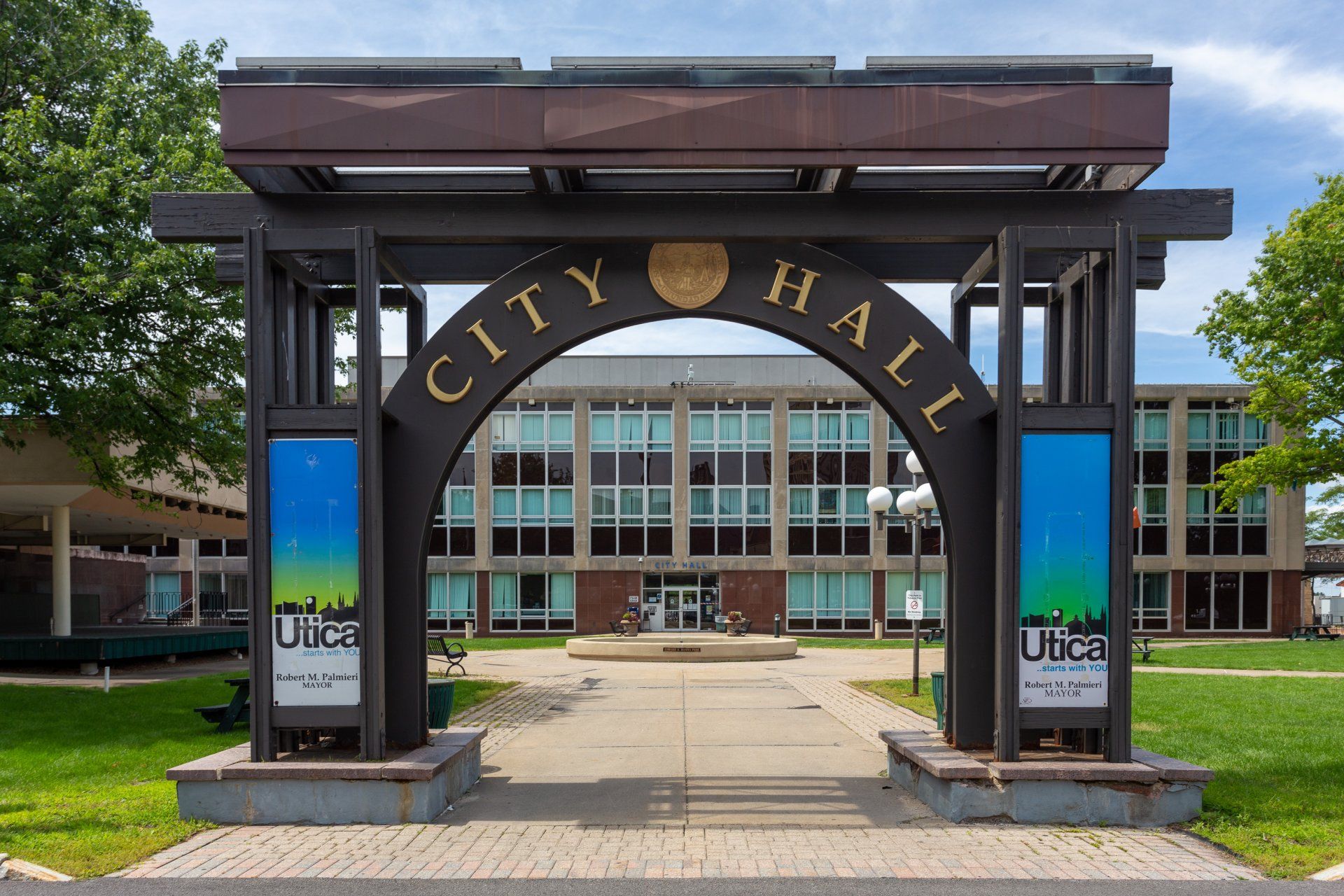
Utica, New York

Location:
Utica, NY

Welcome to Utica

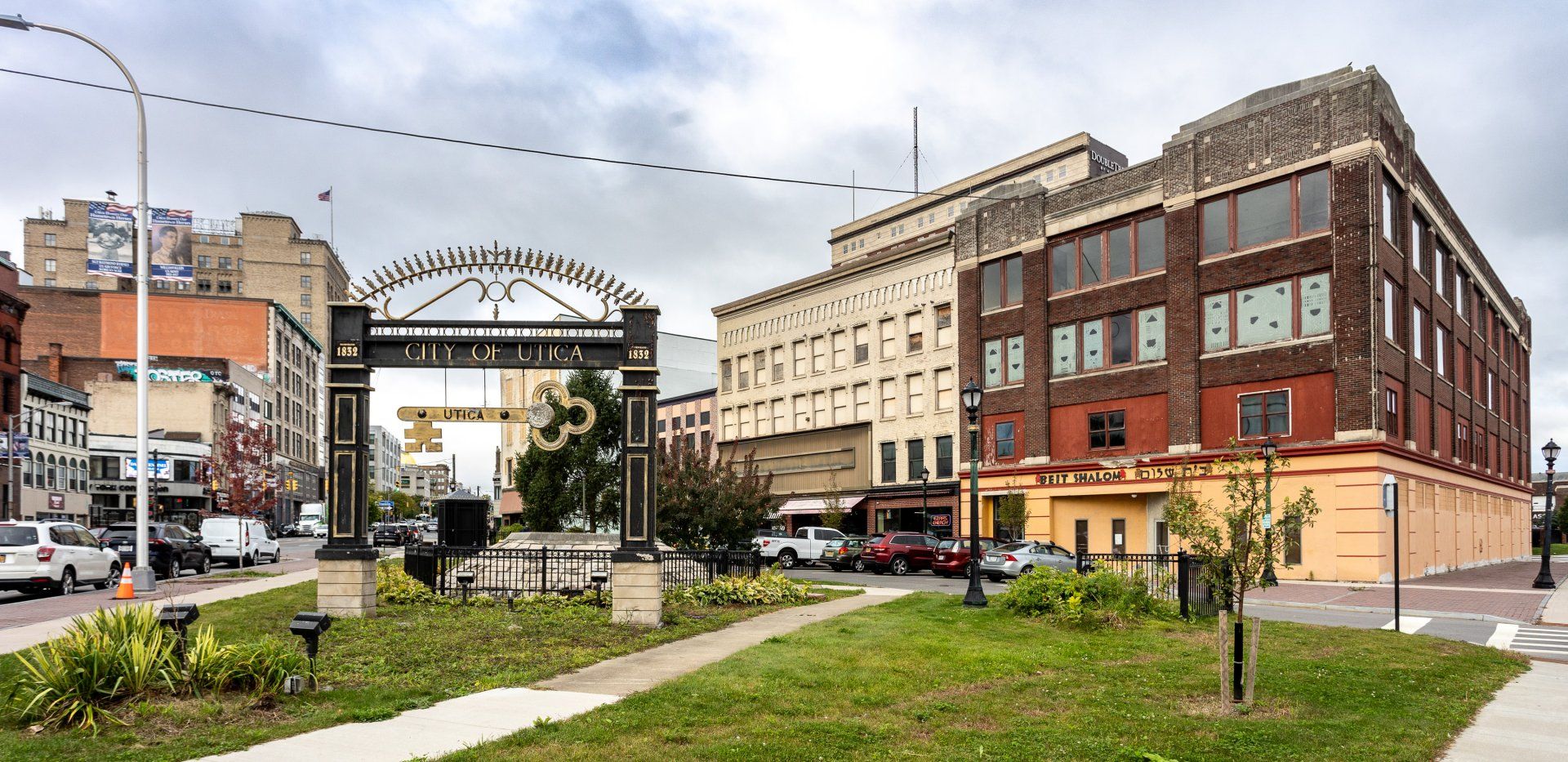
Utica, New York — the county seat of Oneida County, incorporated as a city on February 13, 1832 — sits along the Mohawk River at the foot of the Adirondack Mountains, roughly 55 miles east of Syracuse and 95 miles west-northwest of Albany. That geography has always defined Utica's character: a crossroads city that grew into a genuine industrial center, not merely a waypoint. Where Syracuse expanded as a regional commercial hub and Albany anchored state government, Utica built its identity through manufacturing, canal trade, and a remarkable capacity to absorb and integrate newcomers — a tradition that continues today with one of the most diverse refugee communities in the northeastern United States.

The Munson-Williams-Proctor Arts Institute, one of the finest regional art museums in New York State, anchors the city's cultural life, while the Utica City School District serves a student population that reflects the city's genuinely international makeup. Amtrak's Empire Service connects Utica directly to Albany and New York City, making it accessible without the cost of larger metros. For buyers exploring Utica NY houses for sale, the combination of historically low home prices, ongoing downtown investment, and a metro area economy anchored in healthcare and higher education makes this an unusually compelling moment to put down roots here.


Community Profile

One of the most striking things about this Mohawk Valley city is just how young and energetic its population skews. With a median age of 35.2 years — well below the national median of 38.5 — Utica pulses with the energy of families in their prime earning and homebuying years. Nearly 29% of residents are under age 20, and average family sizes of 3.24 people speak to a community actively putting down roots. For buyers browsing utica ny houses for sale, that demographic vitality translates into lively neighborhoods, active schools, and a city with genuine momentum.

The headline story for prospective homeowners, though, is affordability. A median home value of just $149,573 — less than half the national median of roughly $330,000 — means that buying in Utica stretches a dollar in ways that are increasingly rare in the Northeast. Median rent sits at a modest $951 per month, but ownership remains the smarter long-term play at these price points. With 22.1% of households earning six figures, there is real purchasing power in the market, and those buyers are finding exceptional value. The average commute of just 19.5 minutes adds further quality-of-life appeal, keeping time in the car short and time at home long.

Utica's diversity is another defining asset. With significant Hispanic/Latino (14.5%), Black (16.6%), and Asian (11.2%) populations — alongside a long history as a resettlement destination for refugees from around the world — the city has cultivated a genuinely multicultural character rare for a community its size. A remarkably low uninsured rate of just 3.8% reflects strong access to healthcare across this diverse population. For buyers considering city of utica houses for sale, they are not just purchasing property — they are joining one of Upstate New York's most distinctive and welcoming communities.

Things to Do

Arts & Culture

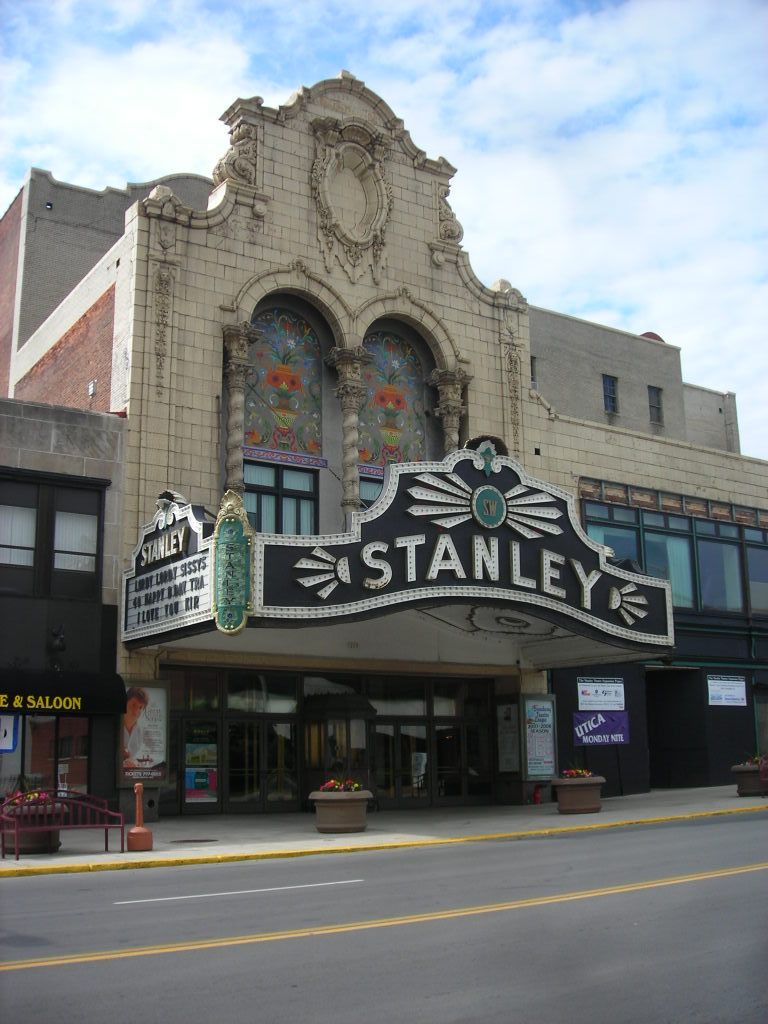
Utica punches well above its weight when it comes to cultural offerings. The Munson-Williams-Proctor Arts Institute is one of the premier art museums in the northeastern United States, housing an impressive permanent collection that spans centuries of American and European art, alongside a performing arts program and an architecturally striking building designed by Philip Johnson. Just as beloved is the Stanley Theater, a magnificently restored 1920s movie palace on Genesee Street that now hosts Broadway touring productions, concerts, and community events — its ornate interior alone is worth the visit. History buffs will appreciate the Oneida County History Center, which chronicles the region's deep roots in the Mohawk Valley from the Iroquois Confederacy through the canal and railroad eras.

Outdoor Recreation

Utica's position at the foot of the Adirondack Mountains gives residents and visitors easy access to some of the most spectacular wilderness in the eastern United States. F.T. Proctor Park is a beloved local green space offering walking paths, picnic areas, and a scenic overlook. The Mohawk River corridor provides opportunities for fishing, kayaking, and trail walking, while the broader Mohawk Valley landscape rewards cyclists and hikers throughout the warmer months. The Adirondack High Peaks are roughly an hour's drive north, making Utica an ideal base for weekend adventures.

Family Activities

The Utica Zoo, situated in Roscoe Conkling Park, is a genuine community treasure — a compact but well-maintained facility that delights children and adults alike with its animal exhibits and seasonal programming. Roscoe Conkling Park itself offers extensive recreational space, including tennis courts, a pool, and walking trails. Families exploring utica ny houses for sale often cite the city's manageable scale and abundance of family-friendly destinations as major draws.

Dining & Local Flavor

Utica's remarkable diversity — shaped by waves of immigration from Italy, Lebanon, Bosnia, and beyond — has produced a food scene with genuine character. The city is famous for Utica Greens and Chicken Riggies, two dishes that originated here and appear on menus across the region. Genesee Street and the surrounding downtown corridors offer a mix of longtime neighborhood institutions and newer arrivals reflecting the city's growing refugee communities, making every meal an opportunity to explore Utica's layered cultural identity.

Latest Properties in Utica

Loading...

Loading latest properties...

See All Properties in Utica

History

From Canal Town to Comeback City

Utica's story begins at a bend in the Mohawk River, where American colonists built Old Fort Schuyler in 1758 during the French and Indian War. After the Revolution, New England settlers — many from Connecticut — flooded into the region, and the village was formally incorporated on April 3, 1798. Legend holds that its name was drawn from a hat at Bagg's Tavern that same year, chosen from thirteen suggestions, though the influence of Robert Harpur, a professor who named much of Central New York after Greco-Roman cities, is equally credited.

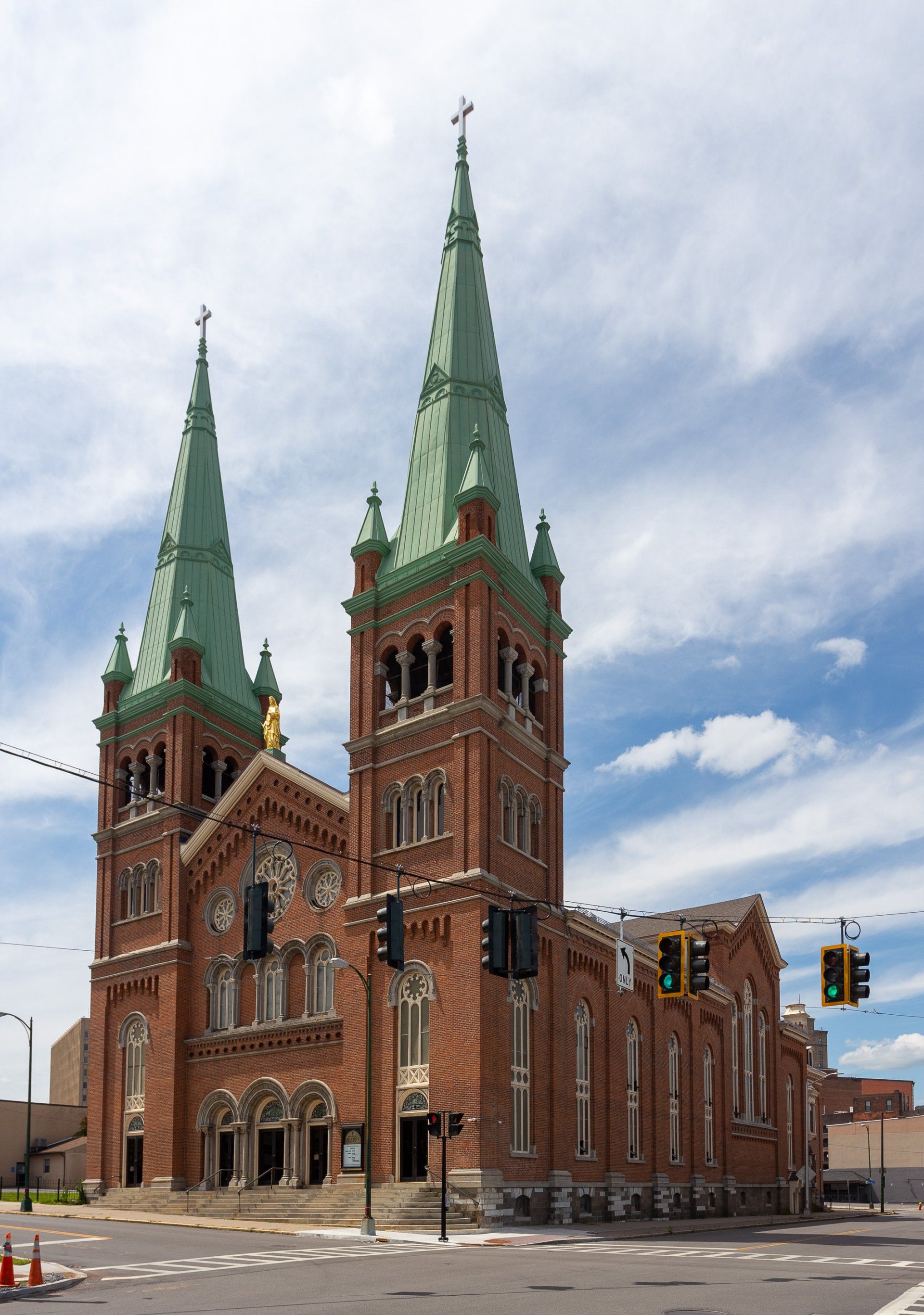
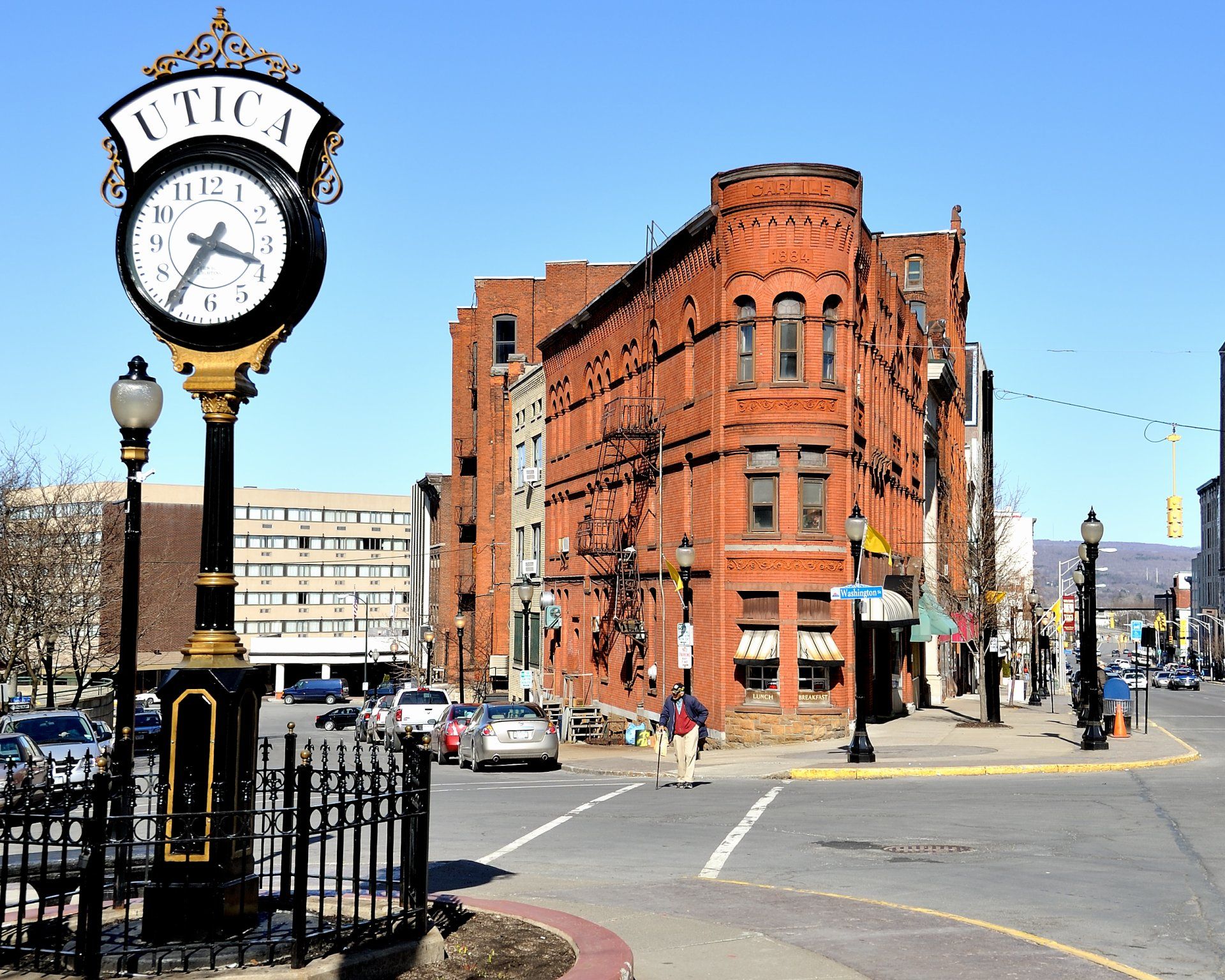
The completion of the Erie Canal in 1825 transformed Utica from a river crossing into a regional powerhouse. By 1840, the U.S. Census ranked it the 29th-largest city in the country — larger at the time than Chicago, Detroit, or Cleveland. Textile manufacturing, furniture, and heavy machinery drove the economy, and the arrival of the Utica and Schenectady Railroad in 1833 only accelerated growth. The dense residential neighborhoods that surround downtown today — with their 19th-century brick rowhouses and Victorian-era streetscapes — are a direct inheritance of that industrial prosperity.

Like much of the Rust Belt, Utica contracted sharply through the mid-20th century as mills closed and jobs migrated to suburbs and competing cities. Yet that contraction left behind an affordable, architecturally rich housing stock that now defines the market. In recent decades, Utica has reinvented itself as a resettlement hub for refugees, fueling population diversity and renewed investment in healthcare and education. For buyers exploring Utica NY houses for sale, that layered history — canal-era ambition, industrial-age craftsmanship, and 21st-century resilience — is written into the fabric of nearly every neighborhood.

Weather

Four Seasons in the Mohawk Valley

Utica, New York experiences a humid continental climate, shaped by its position in the Mohawk Valley at the foot of the Adirondack Mountains and its inland location well removed from any moderating oceanic influence. The result is a climate of genuine seasonal extremes — cold, snowy winters and warm, humid summers — with meaningful precipitation spread across the entire year.

Summer temperatures typically reach highs in the low-to-mid 80s°F, with overnight lows settling into the upper 50s and low 60s. Winters are legitimately cold: daytime highs often hover in the upper 20s to low 30s°F from December through February, with overnight lows frequently dropping into the teens. Utica is notably one of the snowier cities in the northeastern United States, receiving well over 100 inches of snow in an average season. Cold air funneling down from the Adirondacks and moisture from the Great Lakes both contribute to persistent and heavy snowfall.

Spring and fall are transitional but often brief, with crisp autumns and unpredictable spring thaws. Rainfall is fairly evenly distributed throughout the year, keeping the landscape green but also demanding attention to drainage and foundation integrity.

For anyone exploring utica ny houses for sale, the climate is a practical consideration. Robust heating systems, quality insulation, and well-maintained roofs are essential given the snow load and cold. Outdoor living spaces are genuinely enjoyed during summer, but buyers should budget accordingly for seasonal maintenance, including snow removal and weatherproofing.

Utica Market Analytics

The Utica housing market is showing signs of stability and growth, with the average home value increasing by 8.6% over the past year to $197,257, according to data analyzed by Opulist. This suggests that the market is balancing out, with a steady increase in home values indicating a healthy demand for housing in the area. As a buyer or seller, it's essential to work with a knowledgeable real estate partner like Opulist to navigate the local market and make informed decisions.


1-Year Home Value Change: +8.6%

Utica Home Value Index over time.

Can I Afford Utica?
$
%
$0
Est. Monthly Payment
$0/yr
Salary Required

*Principal & interest only. Salary based on 28% debt-to-income ratio.

Get Pre-Approved for Utica