
Vancouver, Washington

Location:
Vancouver, WA

Welcome to Vancouver

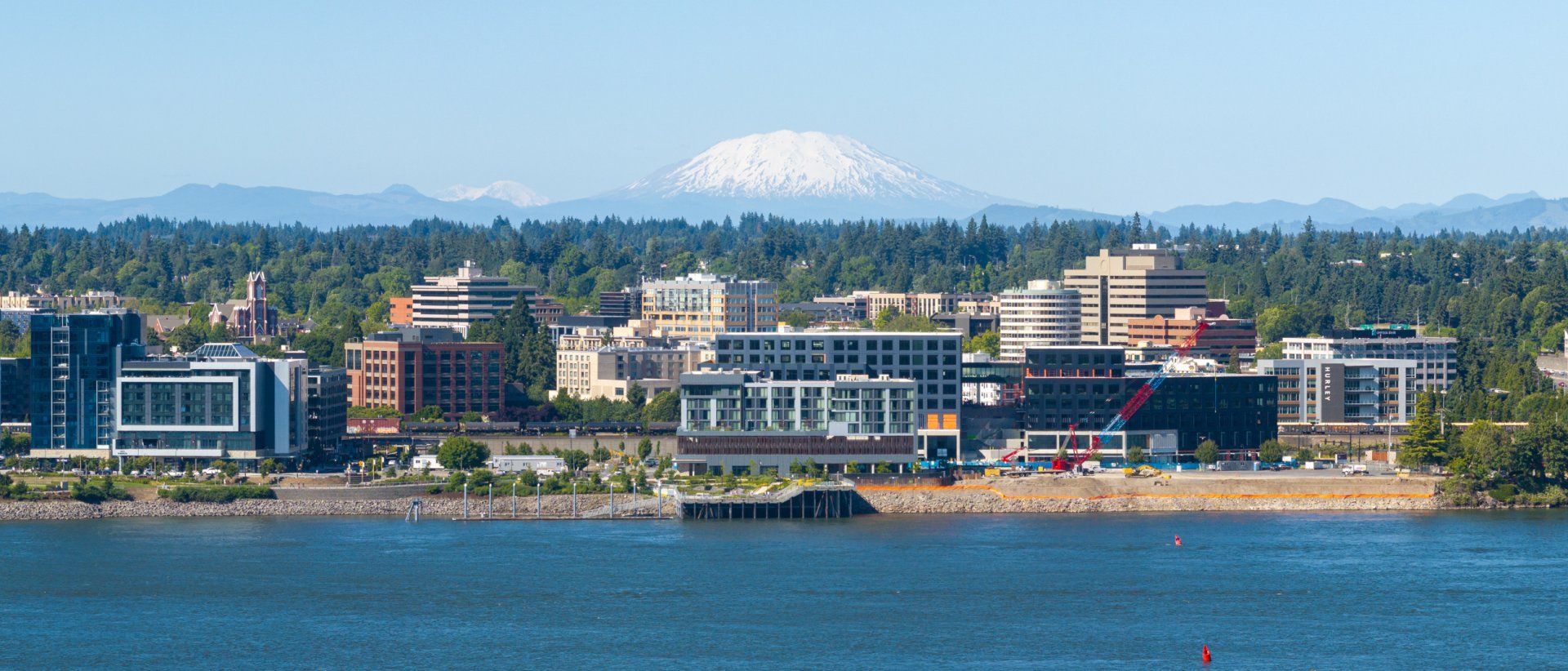
Founded in 1857 and incorporated as a city in 1857, Vancouver, Washington sits on the north bank of the Columbia River directly across from Portland, Oregon, making it one of the oldest American cities in the Pacific Northwest. As the county seat of Clark County, it occupies a distinct identity that many newcomers find surprising: this is not a suburb of Portland, but a full-fledged city with its own deep history, rooted in the Hudson's Bay Company's Fort Vancouver — a National Historic Site that still stands and draws visitors year-round. That heritage, combined with Washington State's lack of a personal income tax, gives Vancouver a compelling edge over its Oregon neighbor that resonates strongly with buyers exploring homes for sale in Vancouver WA.

The city is served by C-TRAN, the regional transit authority connecting neighborhoods across Clark County and offering express routes into downtown Portland via the Interstate Bridge. Families are drawn in part by the Vancouver Public Schools district, one of the largest in Washington State. From the trails along the Columbia River waterfront to the open spaces of Leverich Park, outdoor access is woven into everyday life here. For those considering apartments in Vancouver WA or a permanent residence, the combination of urban amenities, natural scenery, and cross-river opportunity makes Vancouver, Washington a city worth watching closely.


Community Profile

Situated just across the Columbia River from Portland, this Clark County city of 195,300 residents strikes a compelling balance between urban energy and Pacific Northwest livability. The median age of 37.9 years — nearly identical to the national figure — reflects a beautifully balanced community: nearly a quarter of residents are under 20, while a robust cohort of working-age adults in their 30s and 40s drives the local economy. That economic engine is running strong. The median household income of $81,338 outpaces the national median by nearly $6,000, and an impressive 38.8% of households clear six figures annually — a figure that speaks to the concentration of skilled, well-compensated workers who call Vancouver home.

The workforce here leans heavily toward technical fields: 48.3% of degree holders earned STEM credentials, a remarkably high share that reflects Vancouver's deep ties to the greater Portland metro's technology and advanced manufacturing sectors. The average commute of just 23.2 minutes is a genuine quality-of-life advantage, whether residents are heading into downtown Vancouver or crossing the bridge for work in Oregon. Those exploring homes for sale in Vancouver WA will find a median home value of $462,079 — above the national norm, but well-supported by local incomes. The city's diversity adds further dimension: 16.8% of residents identify as Hispanic or Latino, and 13.4% claim two or more racial backgrounds, making Vancouver one of Washington's more culturally textured communities. With 81,504 total housing units spanning everything from established neighborhoods to newer apartment complexes in Vancouver, the city accommodates a wide range of households and life stages.

Things to Do

Outdoor Recreation

Vancouver, Washington sits along the north bank of the Columbia River, and that geography shapes much of what residents love to do here. Fort Vancouver National Historic Site is the crown jewel of the city's outdoor and cultural landscape — a meticulously reconstructed 19th-century fur trading post where costumed interpreters bring the region's pioneer history to life. Adjacent to it, Pearson Field and the surrounding parklands offer wide open green space along the river. For waterfront walks and stunning views of the Columbia, Waterfront Park in downtown Vancouver is a beloved gathering spot, with a scenic promenade, public art, and easy access to the river's edge. Frenchman's Bar Regional Park is a local favorite for sandy beaches, kayaking, and wildlife watching along the Columbia's shores.

Arts & Culture

The Clark County Historical Museum chronicles the region's deep roots, from Indigenous heritage through the settlement era and beyond. The Kiggins Theatre, a beautifully restored 1936 movie palace on Main Street, screens independent and classic films and hosts community events throughout the year. Downtown Vancouver's Esther Short Park — one of the oldest public squares in Washington State — anchors the city's cultural core and serves as the venue for the beloved Vancouver Farmers Market, running spring through fall on weekends. The park also hosts outdoor concerts and seasonal festivals that draw crowds from across the Portland-Vancouver metro area.

Dining & Shopping

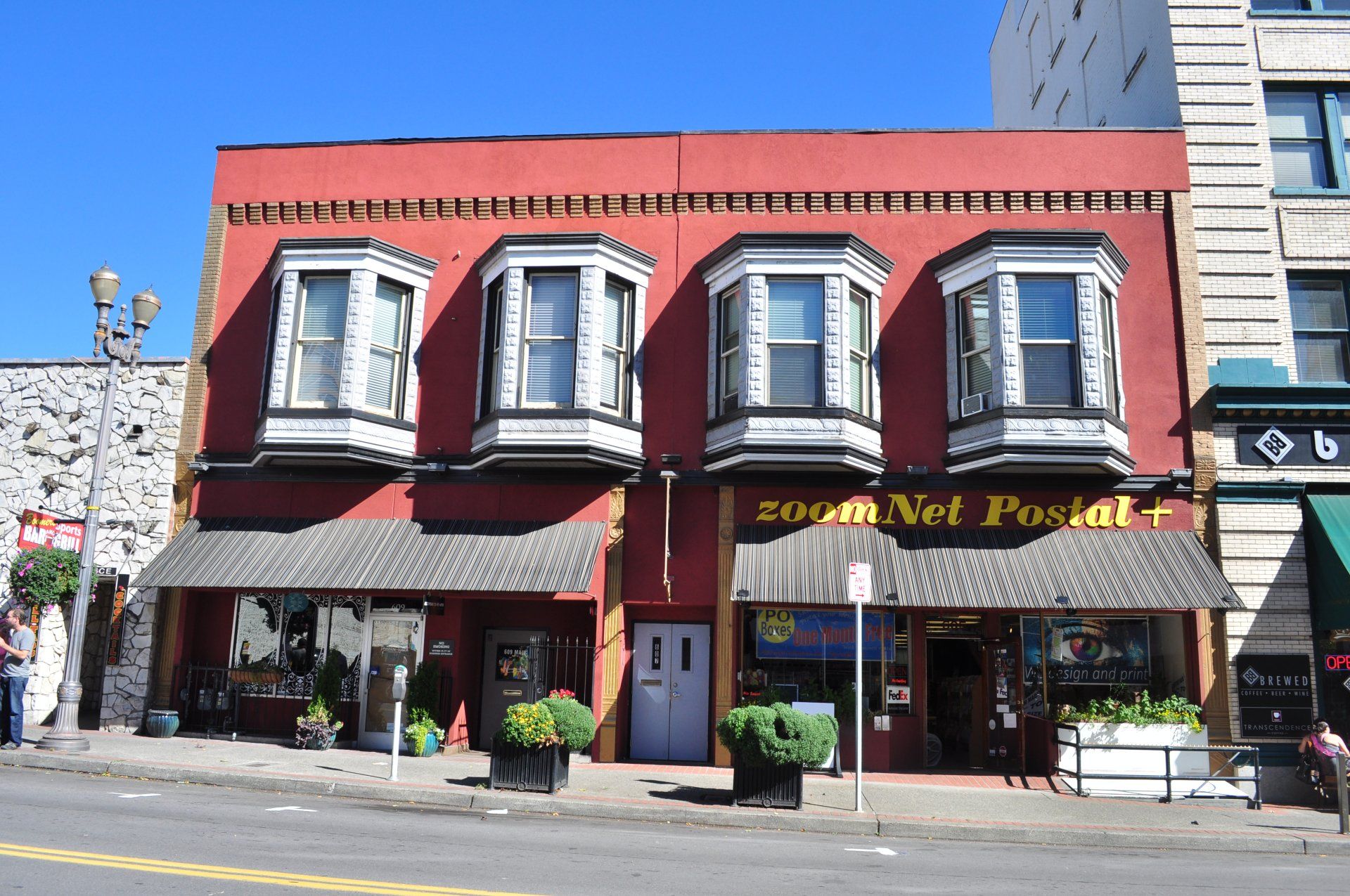
The revitalized downtown core and the Uptown Village neighborhood offer an eclectic mix of locally owned restaurants, craft breweries, wine bars, and boutique shops. The area's food scene leans heavily on Pacific Northwest flavors — fresh seafood, farm-to-table produce, and an impressive craft beer culture. Those exploring homes for sale in Vancouver WA often cite walkable access to these neighborhoods as a major draw.

Family Activities & Sports

Families enjoy the Water Resources Education Center along the Columbia River, a free and fascinating look at the region's waterways and ecosystems. The city also maintains an extensive trail network connecting parks and neighborhoods, ideal for cycling and jogging year-round. Fourth of July brings one of the largest fireworks displays in the Pacific Northwest, launched over the Columbia River and visible from both the Washington and Oregon shores — a signature Vancouver tradition not to be missed.

Latest Properties in Vancouver

Loading...

Loading latest properties...

See All Properties in Vancouver

History

Vancouver, Washington's story begins not with American settlers but with the Hudson's Bay Company, which established Fort Vancouver on the north bank of the Columbia River in 1825 under the direction of Dr. John McLoughlin. As the administrative headquarters of the HBC's Columbia Department, Fort Vancouver became the most important outpost in the Pacific Northwest — a bustling hub of trade, agriculture, and cross-cultural exchange that drew trappers, missionaries, and overland emigrants long before Washington was a state.

American military presence followed in 1849 with the establishment of Columbia Barracks (later renamed Vancouver Barracks), making Vancouver home to the oldest U.S. Army post on the Pacific Coast. The city was incorporated in 1857, and its proximity to Portland, Oregon — just across the Columbia River — shaped its early identity as a working-class counterpart to its larger neighbor, defined by timber mills, rail yards, and manufacturing.

The postwar decades of the 1940s and 1950s brought a housing surge tied to wartime shipbuilding at the Kaiser Shipyards, which drew tens of thousands of workers to the area. The modest ranch homes and bungalow neighborhoods built during that era — particularly in areas like Hough and Fruit Valley — remain a defining feature of Vancouver's residential landscape today. Those same neighborhoods now attract buyers browsing homes for sale in Vancouver WA who want established tree canopy, walkable blocks, and relatively affordable entry points compared to the Portland metro.

In recent decades, Vancouver has evolved from Portland's overlooked neighbor into a destination in its own right. The growth of the Vancouver waterfront redevelopment and the expansion of the tech and healthcare sectors have drawn new residents and spurred demand for both single-family homes and apartment complexes in Vancouver, connecting a history of reinvention to a present-day market defined by opportunity.

Weather

A Mild Pacific Northwest Climate

Vancouver, Washington enjoys a temperate oceanic climate (Köppen classification Cfb), shaped by its position in the Pacific Northwest just north of the Columbia River and within reach of Pacific maritime air masses. The region experiences mild, wet winters and warm, relatively dry summers — a pattern that defines life here year-round.

Summer highs typically range from the mid-70s to low 90s°F, with cool nights often dropping into the 50s. Winters are mild by continental standards, with daytime highs generally in the upper 30s to low 50s°F and lows rarely dipping below freezing for extended periods. Snow is possible but infrequent, and when it does fall, it tends to be light and short-lived.

Rainfall is the defining seasonal characteristic. Vancouver, WA receives roughly 40–45 inches of precipitation annually, concentrated heavily between October and April. The Cascade Range to the east creates a mild rain-shadow effect, while the Coast Range to the west channels moist Pacific air directly over the region. Summers are noticeably drier, making outdoor living genuinely enjoyable for several months.

For those exploring homes for sale in Vancouver WA, the climate carries real practical implications. The long wet season means roof maintenance, gutter care, and moisture management are ongoing priorities. On the upside, heating costs are moderate compared to colder inland climates, and the dry summers make outdoor spaces — decks, gardens, patios — a worthwhile investment that residents can actually use.

Vancouver Market Analytics

The Vancouver real estate market is showing signs of balance, with the average home value at $502,813, down 0.9% over the past year, according to data analyzed by Opulist. The market sale-to-list ratio of 0.996 and the percentage of sales over list price at 27.7% suggest that sellers are still negotiating competitive prices, but buyers are also gaining some leverage. Overall, the market appears to be stabilizing, making it a good time for both buyers and sellers to explore their options with the guidance of a knowledgeable real estate partner like Opulist.


1-Year Home Value Change: -0.9%

Vancouver Home Value Index over time.

Can I Afford Vancouver?
$
%
$0
Est. Monthly Payment
$0/yr
Salary Required

*Principal & interest only. Salary based on 28% debt-to-income ratio.

Get Pre-Approved for Vancouver