
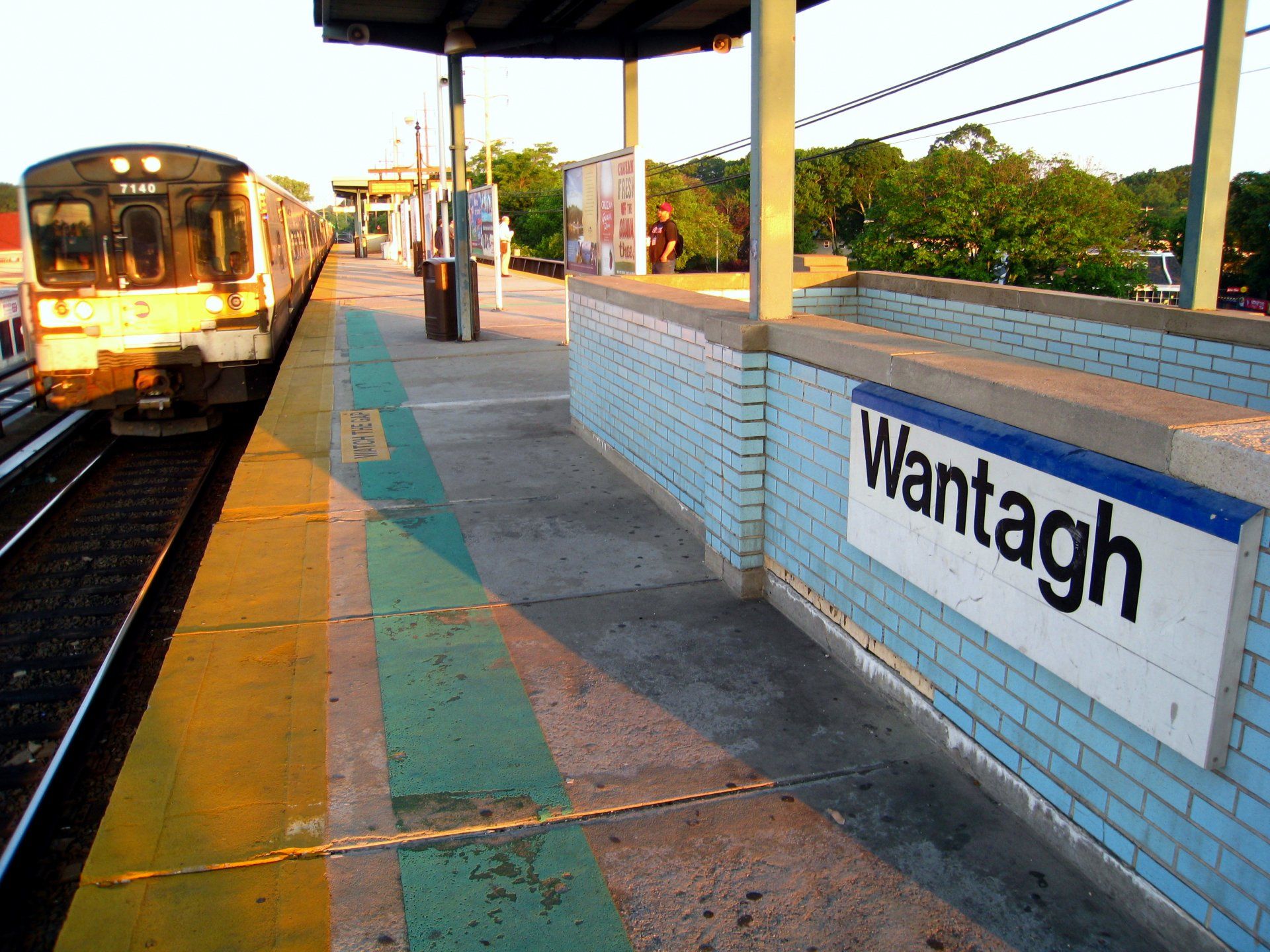
Situated on Long Island's South Shore in Nassau County, Wantagh carries a history stretching back to 1643, when English settlers first purchased land from the Merokee tribe — and the hamlet takes its very name from Wantagh, the sachem who led that tribe in the mid-17th century. That deep-rooted identity sets it apart from neighboring communities like Seaford and Levittown, which lack the same concentration of colonial-era landmarks: Wantagh alone holds nine of Nassau County's 25 New York State Historical Markers. Yet history here coexists comfortably with modern convenience. The Long Island Rail Road's Wantagh station on the Babylon Branch puts Midtown Manhattan within commuting distance, while the Wantagh State Parkway leads directly south to Jones Beach State Park — earning the hamlet its well-known designation as the "Gateway to Jones Beach." The Wantagh Union Free School District consistently draws families seeking strong academic programs, and a median household income approaching $175,000 reflects a community of established professionals. For anyone exploring homes for sale in Wantagh, NY, the combination of historic character, coastal access, and direct rail connections to New York City makes this a remarkably compelling place to put down roots.
Welcome to Wantagh
Community Profile
Nestled in Nassau County along Long Island's South Shore, this tight-knit community of 18,365 residents paints a compelling picture for anyone exploring homes for sale in Wantagh, NY. The median household income here reaches a remarkable $179,362 — more than double the national median — and an extraordinary 77.9% of households earn six figures or more, reflecting a neighborhood where professional achievement is the norm rather than the exception. That prosperity is backed by serious credentials: 54.1% of residents hold a bachelor's degree or higher, well above the national rate of roughly 33%, and 25.4% have earned a graduate degree.
Wantagh is overwhelmingly a community of homeowners, with a 95.3% homeownership rate that dwarfs the national average of 65.5% — a testament to how deeply residents invest in putting down roots here. The median home value of $706,628 reflects the desirability of the area, while a poverty rate of just 3.1% and an uninsured rate of only 1% speak to the community's broad financial stability. At a median age of 41.2 years, with nearly 26.5% of the population under 20 and 58.7% of residents married with an average family size of 3.38, this is quintessentially family country. Dual-income households make up 61% of the community, and with an average commute of 34 minutes into the greater New York metro, those families enjoy suburban calm without sacrificing big-city opportunity — a balance that makes Wantagh homes for sale perennially sought after.
Things to Do
Outdoor Recreation & Beaches
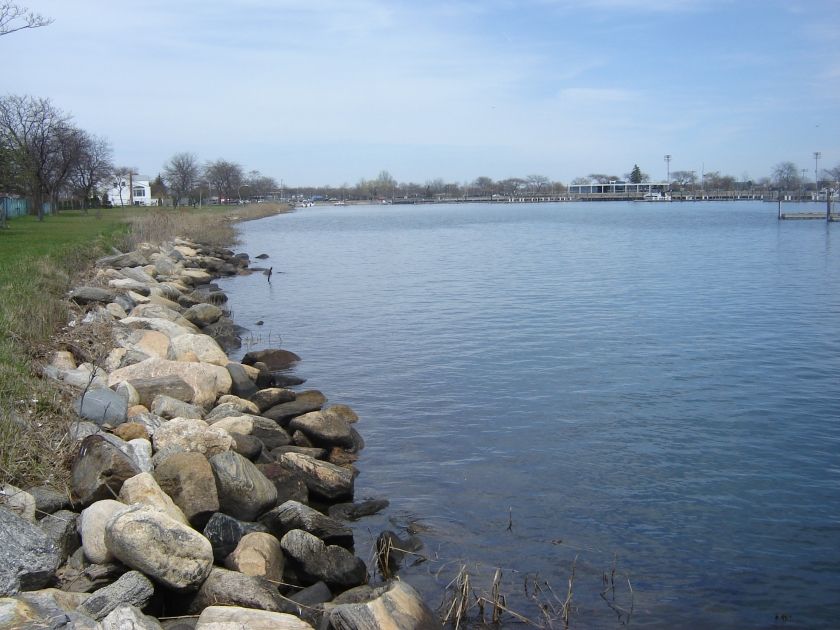
Wantagh's unofficial motto — "The Gateway to Jones Beach" — says everything about its recreational identity. Jones Beach State Park, one of the most celebrated public beaches on the entire East Coast, sits just minutes south via the Wantagh State Parkway. With miles of Atlantic Ocean shoreline, a historic bathhouse, surf fishing, and the iconic Northwell Health at Jones Beach Theater, an open-air amphitheater that draws major national touring acts every summer, it's a year-round destination. Closer to home, Wantagh County Park offers ball fields, picnic areas, a marina, and a boat launch along the waters of South Oyster Bay. The Twin Lakes Preserve provides a quieter escape — a natural area ideal for birdwatching, walking trails, and peaceful waterside scenery that feels worlds away from suburban life.
History & Culture
Few communities on Long Island carry as much layered history as Wantagh. The hamlet is home to nine of Nassau County's 25 New York State Historical Markers, concentrated along Wantagh Avenue and Merrick Road. Highlights include the site of Captain John Seaman's Cherrywood estate, dating to 1644, and the 1794 Birdsall House, also known as the Mill House. The Jackson Cemetery, tucked just north of St. Frances de Chantal Roman Catholic Church on Wantagh Avenue, contains graves of Revolutionary War veterans and early settler families whose names still echo through local street signs. History enthusiasts browsing homes for sale in Wantagh NY will find that this deep sense of place is woven into the neighborhood's everyday character.
Dining & Shopping
Wantagh's commercial corridors along Wantagh Avenue and Sunrise Highway offer a solid mix of local dining spots, casual eateries, and neighborhood shops. The community has a distinctly local feel — family-owned restaurants and delis sit alongside national conveniences, giving the area an approachable, unpretentious character that longtime residents prize.
Family Activities
Between the beach, the parks, and a highly regarded school district, families have no shortage of ways to spend their time. Summer weekends at Jones Beach, Little League games at Wantagh County Park, and evening concerts at the amphitheater create a seasonal rhythm that defines life here. It's the kind of well-rounded, active community that makes Wantagh homes for sale particularly appealing to families putting down roots on Long Island's South Shore.
History
From Sachem to Suburb: The History Behind Wantagh's Real Estate Character
Wantagh's story begins long before the first European deed was signed. The hamlet takes its name from Wantagh, the sachem of the Merokee tribe who led his people from 1647 and later served as grand sachem of the broader Montauk tribe from 1651 to 1658. In 1643, English settlers Captain John Seaman and Robert Jackson purchased approximately 6,000 acres from the Merokee and neighboring Marsapeague tribes — land that forms the core of today's community. Jackson built the area's first European dwelling in 1644, and the Seaman family established the Cherrywood estate at what is now the corner of Jerusalem and Wantagh Avenues, a landmark still commemorated by a New York State Historical Marker.
Quaker settlers named the settlement Jerusalem around 1666, and for nearly two centuries it remained a quiet farming and fishing hamlet on the South Shore. The first school opened in 1790 — the same year President George Washington rode through on April 21st during his five-day tour of Long Island. The community's rural pace began to change with the arrival of the South Shore Railroad in 1867, which brought a station initially called Ridgewood before being renamed Wantagh in 1891, honoring the original sachem and distinguishing the town from another Ridgewood in New York State.
The mid-20th century transformed Wantagh most dramatically. The postwar suburban boom filled its modest grid with the Cape Cods and ranch homes that still define the neighborhood streetscape today — modest in footprint, but sitting on land that has appreciated substantially. With a median home price now approaching $666,000 and household incomes averaging over $174,000, those postwar houses have become sought-after assets. Buyers browsing homes for sale in Wantagh NY are purchasing into nearly four centuries of continuous community — one anchored by deep roots, strong schools, and the enduring appeal of being the Gateway to Jones Beach.
Weather
Wantagh experiences a humid subtropical climate — the same classification that defines much of Long Island's South Shore — shaped significantly by its position just inland from the Atlantic Ocean. The proximity to open water moderates temperature extremes in both directions, making Wantagh's weather somewhat milder than inland Nassau County locations year-round.
Summers are warm and humid, with daytime highs typically ranging from the mid-80s°F and overnight lows settling in the upper 60s. Sea breezes off the Atlantic provide welcome relief during heat waves, a genuine advantage for those exploring homes for sale in Wantagh NY with outdoor living in mind. Winters are cold but not severe by upstate New York standards, with daytime highs generally in the upper 30s to low 40s°F and overnight lows dipping into the mid-20s during the coldest stretches.
Annual precipitation is fairly evenly distributed throughout the year, averaging around 45–47 inches, with no pronounced dry season. Nor'easters are a notable coastal weather feature — these powerful Atlantic storms can bring heavy rain, strong winds, and occasional significant snowfall, particularly from December through March. Coastal flooding is a consideration for lower-lying areas near the waterways that thread through the community.
For buyers evaluating wantagh homes for sale, the climate has real practical implications. Outdoor living spaces — decks, patios, and yards — are genuinely usable from late spring through early fall. Heating costs are a meaningful budget consideration during winter months, and homes near tidal areas warrant careful attention to flood insurance requirements and storm-resilient construction.
Wantagh Market Analytics
Can I Afford Wantagh?
Weather