
waterfront, District of Columbia

Location:
waterfront, DC

Welcome to waterfront

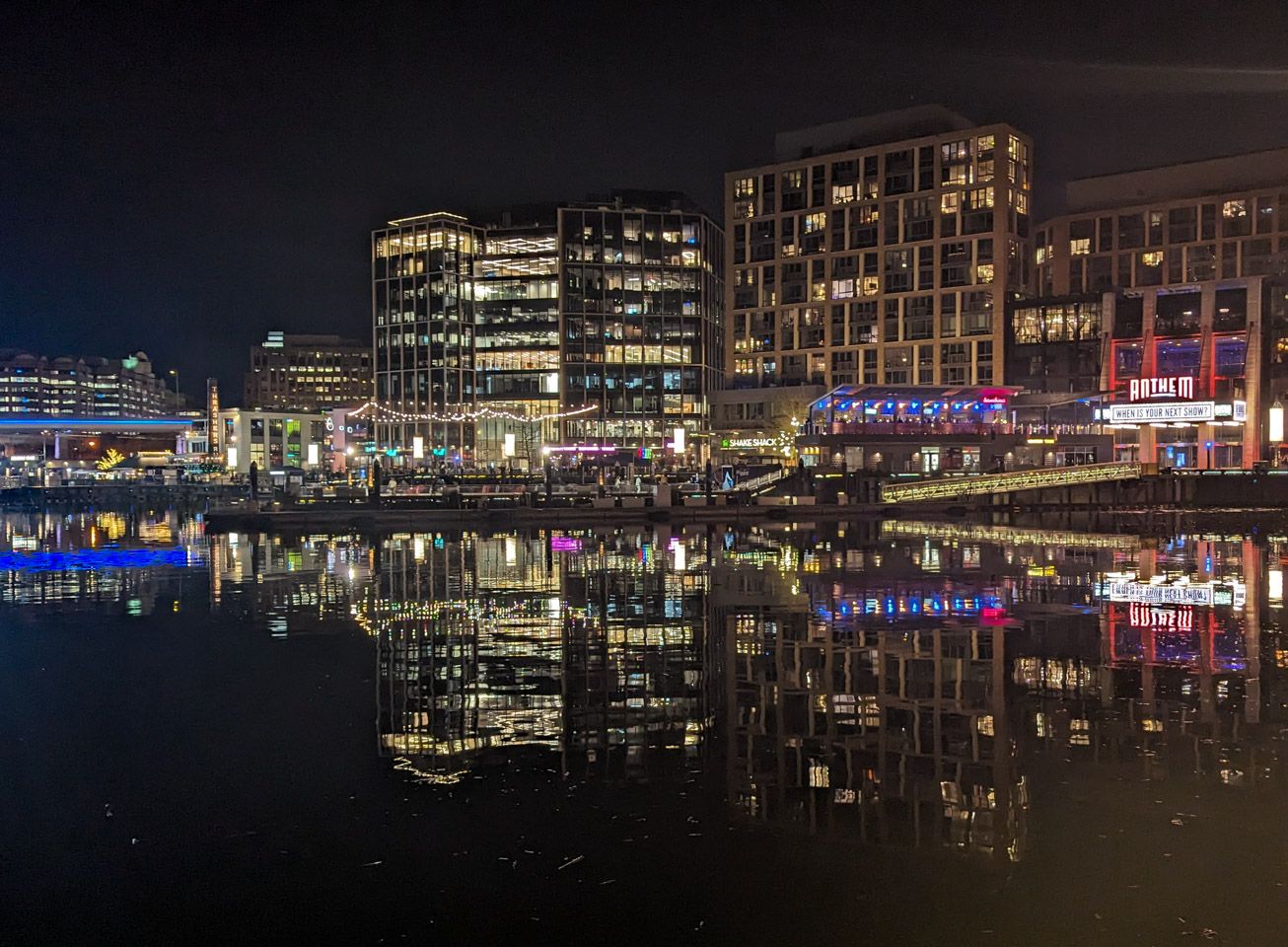
The Waterfront neighborhood in Southwest Washington, D.C. sits along the eastern branch of the Potomac River, making it one of the few places in the capital where residents wake up to genuine waterside living just minutes from the National Mall. Unlike the dense residential corridors of Capitol Hill to the east or the office-heavy blocks of L'Enfant Plaza to the north, this corner of Southwest D.C. has undergone a remarkable physical transformation, anchored by The Wharf — a mile-long mixed-use development that redefined the dc southwest waterfront as a destination for both residents and visitors.

The Waterfront Metro Station on the Green Line places the neighborhood within easy reach of downtown, Columbia Heights, and beyond, giving residents a genuine alternative to car ownership in a city where that matters. The wharf southwest waterfront Washington DC draws attention for its dining, live music venues, and marina, but the residential appeal runs deeper — quiet streets, proximity to East Potomac Park, and a genuine sense of place that larger, more transient neighborhoods often lack.

For buyers and investors, this is a neighborhood whose trajectory is still rising. With continued development, strong transit bones, and a waterfront address in one of the world's most consequential cities, the case for planting roots here has rarely been stronger.


Things to Do

Outdoor Recreation & The Waterfront Experience

The Wharf Southwest Waterfront Washington DC is one of the most dynamic destinations in the nation's capital, offering a mile-long stretch of activated waterfront along the Washington Channel. The Wharf's piers draw visitors year-round for waterfront strolls, kayaking, paddleboarding, and fishing, with the gentle rhythm of the Potomac tidal basin setting a distinctly unhurried pace against the backdrop of a major world capital. Yards Park, just east along the Anacostia Riverfront, offers additional green space with a splash pad, lawn areas, and a scenic river overlook perfect for picnics and weekend relaxation.

Dining & Nightlife

The DC Southwest Waterfront has become one of the city's premier dining corridors. The Wharf is home to a remarkable concentration of restaurants, bars, and seafood markets clustered along its piers and promenade. Maine Avenue Fish Market, one of the oldest open-air fish markets in the United States, remains a beloved neighborhood institution where locals have purchased fresh Chesapeake Bay seafood for generations. The market's raw bars and casual vendors offer some of the most authentic waterside eating in Washington. Beyond the market, The Wharf's piers host a diverse range of dining concepts, from rooftop bars with sweeping channel views to intimate spots serving Mid-Atlantic cuisine.

Arts & Culture

Anthem, the premier concert venue at The Wharf, hosts major national and international touring acts in an intimate 6,000-capacity setting. The Wharf also features regular public programming including outdoor concerts, art installations, and seasonal festivals. The neighborhood sits within easy reach of the National Mall, just minutes away, placing world-class Smithsonian museums practically at residents' doorsteps.

Family Activities & Seasonal Events

Families gravitate toward the waterfront's open piers and public plazas, where children can watch boats navigate the Washington Channel and explore interactive water features. Seasonal programming brings outdoor movie screenings, holiday markets, and summer concert series to the promenade. Water taxis connect The Wharf to National Harbor and Old Town Alexandria, making spontaneous day trips effortlessly accessible. For sports fans, Nationals Park — home of the Washington Nationals — sits a short walk away along the Anacostia Riverfront, anchoring the neighborhood's identity as a true destination district.

Latest Properties in waterfront

Loading...

Loading latest properties...

See All Properties in waterfront

History

From Fish Wharves to The Wharf: A Neighborhood Transformed

The stretch of Southwest Washington along the Anacostia River and Washington Channel has one of the most layered histories in the District. For much of the 19th century, this waterfront served as a working hub — a place of fish markets, oyster shuckers, and small boat traffic that fed the capital city. The Municipal Fish Wharf, established in the early 1800s, became one of the oldest continuously operating open-air fish markets in the United States, a distinction it still holds today and a reminder of the neighborhood's deep commercial roots.

By the mid-20th century, urban renewal policies — particularly those enacted under the District of Columbia Redevelopment Act of 1945 — dramatically reshaped Southwest DC. Entire blocks of historic rowhouses were demolished through the 1950s and 1960s, displacing thousands of predominantly Black residents in one of the most controversial urban renewal projects in American history. In their place rose modernist apartment towers, federal buildings, and superblocks that, while architecturally ambitious, left the waterfront feeling disconnected from the rest of the city for decades.

The transformation that defines the neighborhood today began in earnest with the opening of The Wharf in 2017. This $3.6 billion mixed-use development along the dc southwest waterfront fundamentally reoriented the area, introducing a mile-long promenade, residential towers, hotels, performance venues, and retail that drew residents and visitors back to the water's edge. A second phase completed in 2022 extended that momentum further.

Today, the real estate market around the wharf southwest waterfront washington dc reflects that reinvention directly. Demand for the wharf dc apartments and nearby condominiums remains strong, driven by waterfront access, walkability, and proximity to the National Mall — a neighborhood finally reconciling its complicated past with a confident present.

Weather

Climate and Weather in the DC Southwest Waterfront

The Waterfront neighborhood in Southwest Washington, DC falls squarely within a humid subtropical climate, characterized by hot, humid summers, mild but variable winters, and year-round precipitation distributed fairly evenly across the seasons. Situated along the Anacostia and Potomac rivers, the area experiences the full range of mid-Atlantic weather with only modest moderating influence from the surrounding water.

Summer is the most intense season, with daytime highs routinely climbing into the upper 80s and low 90s°F, accompanied by oppressive humidity that pushes heat index values even higher. Overnight lows in summer typically hover in the low-to-mid 70s. Winters are relatively mild compared to cities farther north, with average highs in the mid-40s°F and lows dipping into the upper 20s to low 30s — though ice storms and occasional snowfall do occur and can be disruptive.

Annual precipitation averages around 40 inches, spread across all months with no true dry season. Thunderstorms are common in summer, and the proximity to the river means residents along the wharf southwest waterfront Washington DC should be mindful of occasional flooding during heavy rain events. Nor'easters can bring significant winter precipitation.

For real estate purposes, the climate drives meaningful heating and cooling costs, with air conditioning essential from May through September. Outdoor living spaces — a major selling point for the wharf DC — are genuinely usable from spring through fall, making waterfront-facing terraces and rooftop amenities highly practical lifestyle features rather than mere aesthetics.

waterfront Market Analytics

Market analytics data coming soon.
Can I Afford waterfront?
$
%
$0
Est. Monthly Payment
$0/yr
Salary Required

*Principal & interest only. Salary based on 28% debt-to-income ratio.

Get Pre-Approved for waterfront