
West Haverstraw, New York

Location:
West Haverstraw, NY

Welcome to West Haverstraw

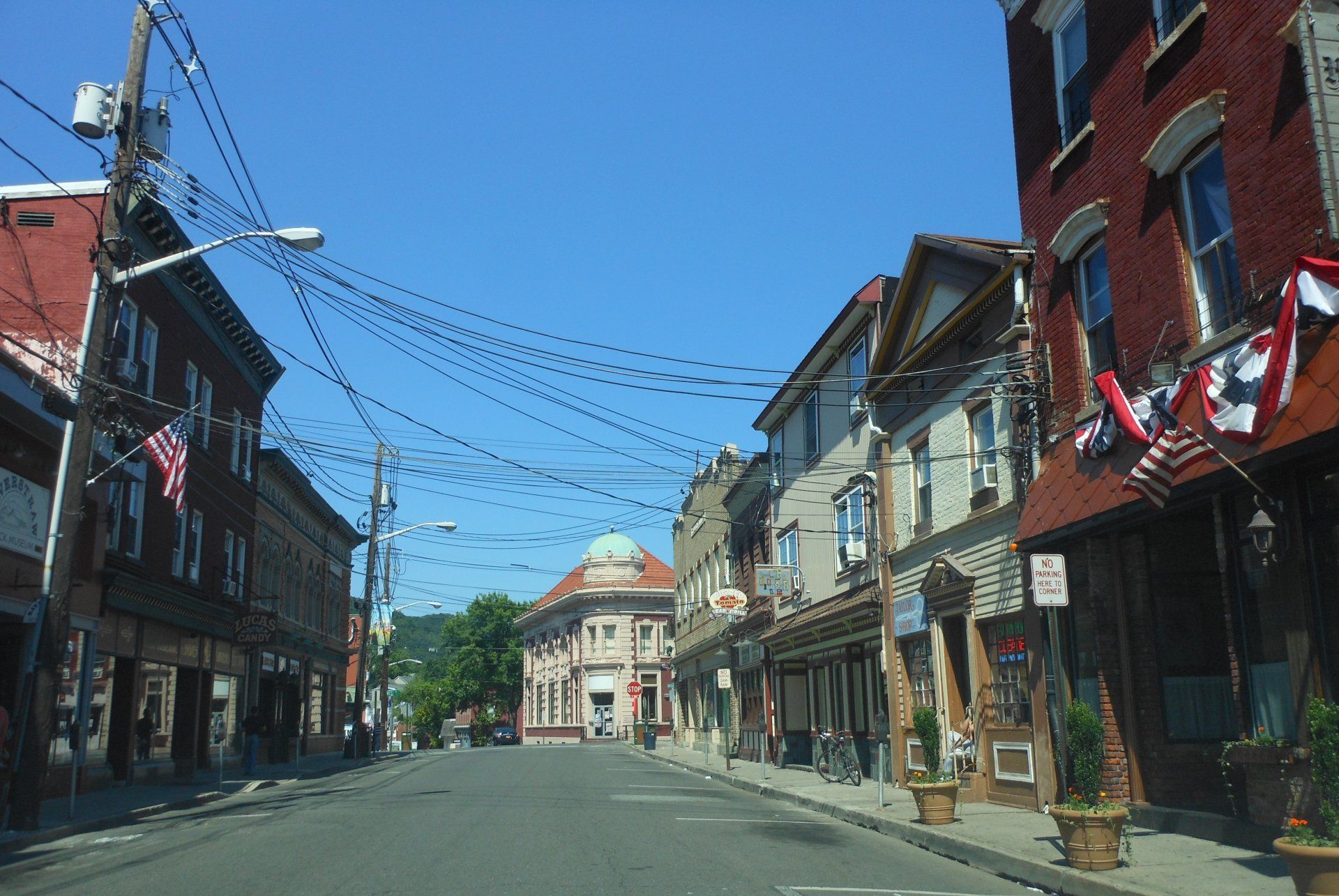
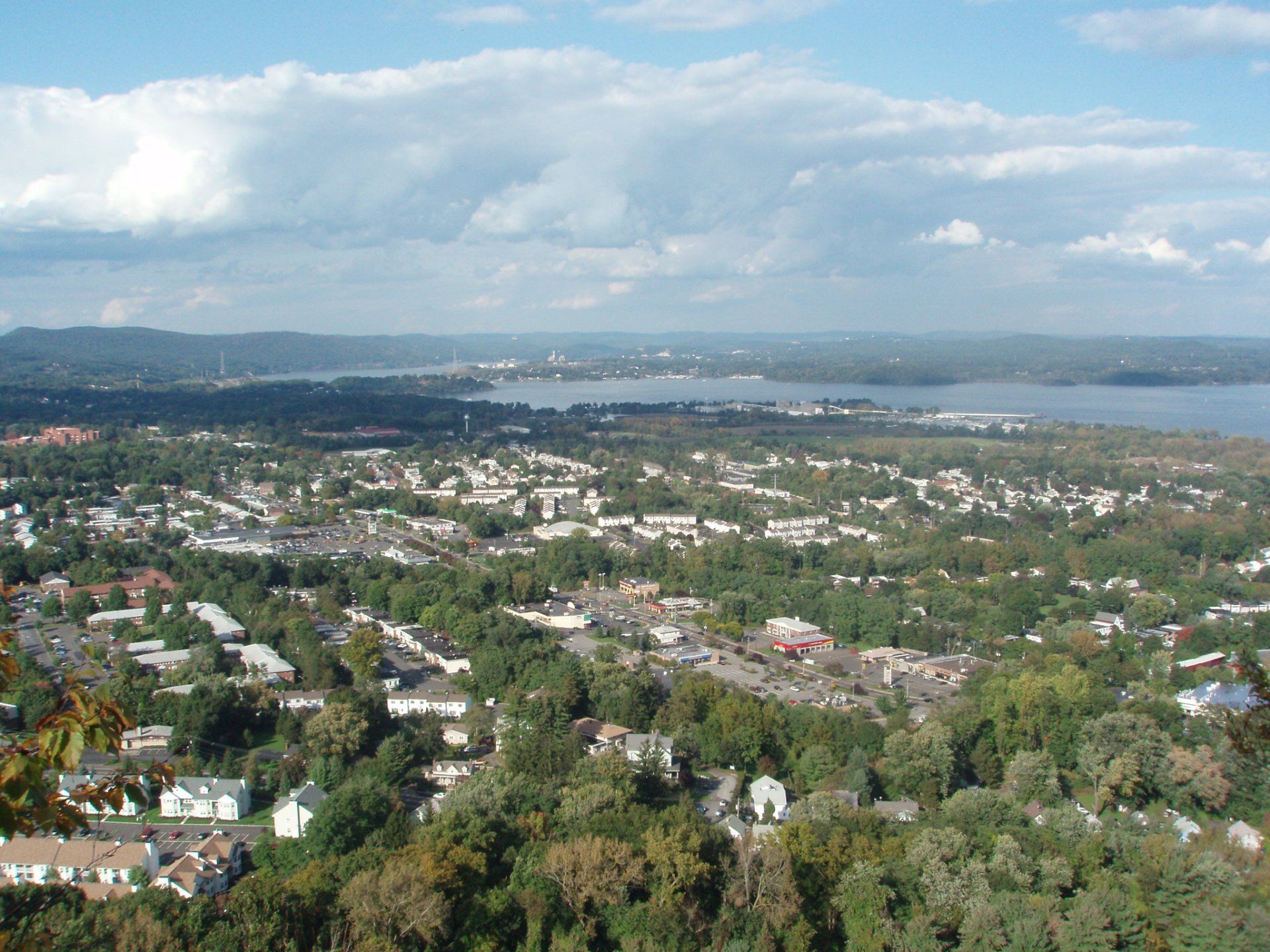
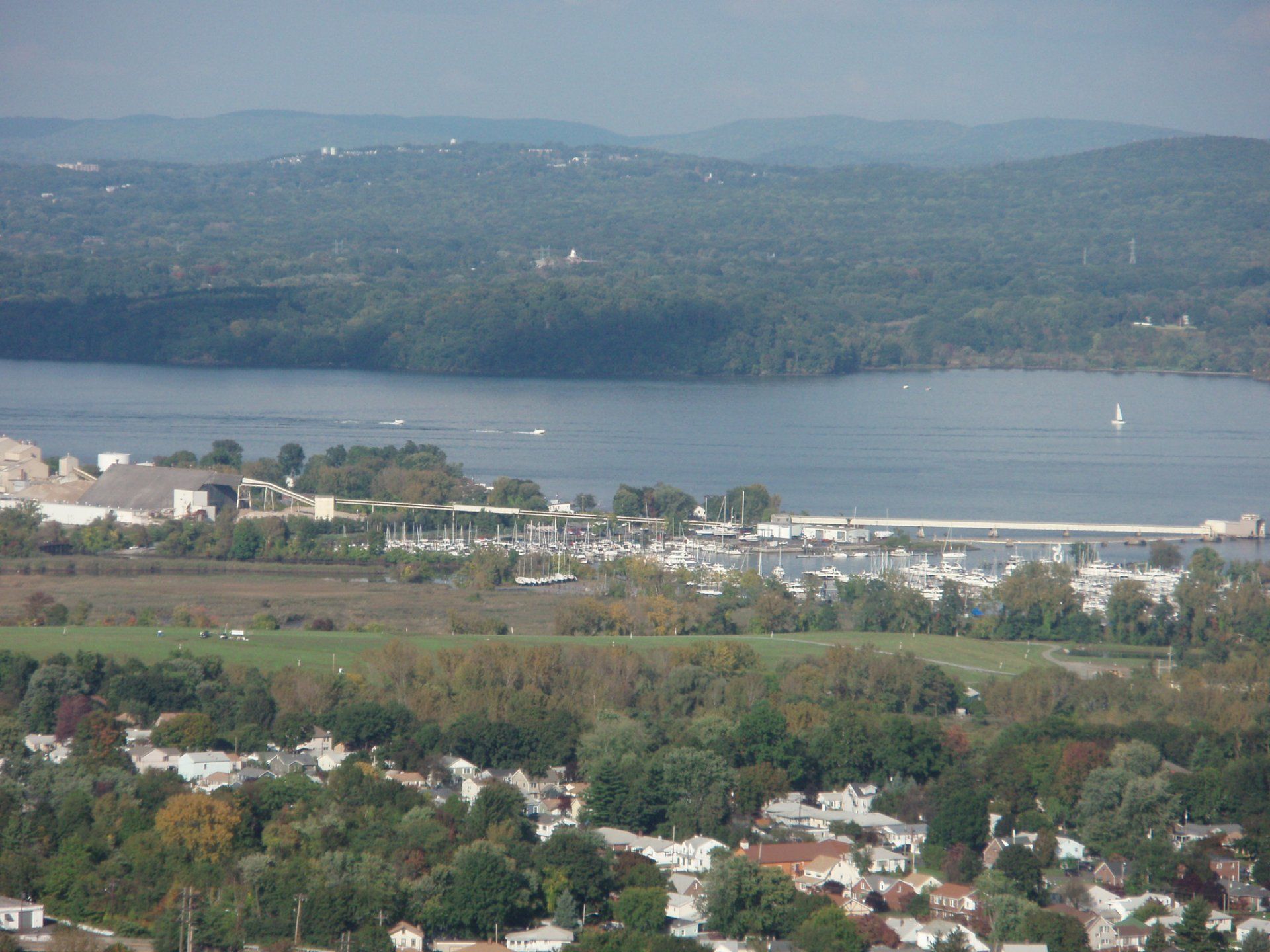
Incorporated on March 29, 1883, West Haverstraw is a village in Rockland County situated along the west bank of the Hudson River, roughly 35 miles north of Midtown Manhattan, with Low Tor Mountain rising to its west and Haverstraw Bay stretching to its east. That geography alone sets it apart — where neighboring Haverstraw village leans toward the river's commercial edge, West Haverstraw occupies a more compact, densely residential 1.54 square miles that packs in real history, genuine character, and a remarkably diverse population of over 10,000 residents.

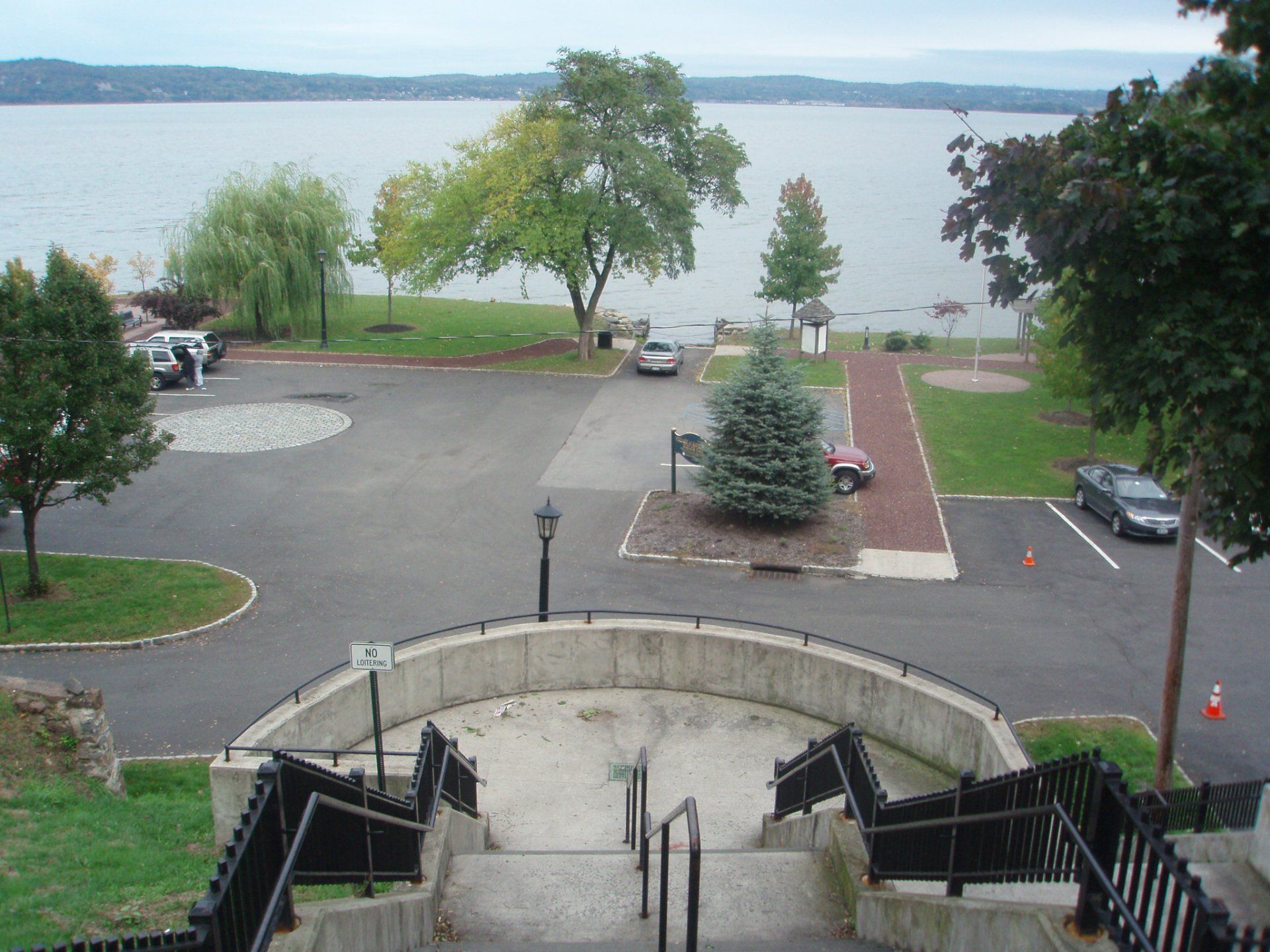
The village's Revolutionary War legacy is written into the landscape itself. The site of the Treason House — where British Major John André met with Benedict Arnold in 1780 to plot the surrender of West Point — sits along Route 9W, a reminder that this ground witnessed some of the most dramatic espionage of the American Revolution. Today, Paul Piperato Haverstraw Bay Park offers sweeping Hudson River views just minutes from local neighborhoods, while the North Rockland Central School District serves families putting down roots here. Bus service connects residents directly to the Port Authority Bus Terminal in Manhattan, making the commute manageable.

For anyone exploring homes for sale in West Haverstraw NY, the combination of Hudson River access, deep history, and a median household income reflecting a solidly middle-class community makes this an address worth serious consideration — now, before the rest of the market catches up.


Community Profile

Nestled along the western bank of the Hudson River in Rockland County, this compact village of 10,711 residents punches well above its size when it comes to economic vitality and community character. The median household income here reaches $86,301 — meaningfully above the national median of roughly $75,000 — and a striking 42.4% of households earn six figures or more, reflecting a community where working families have built real financial footing. That strength is reinforced by a high rate of dual-income households at 68%, a sign of an energetic, work-oriented population.

The demographic profile skews toward active family life. With a median age of 38.4 years — virtually in step with the national figure — and an average family size of 4.06 people, West Haverstraw is a place where children fill the neighborhoods: 16.6% of residents are under 10, and another 12.7% are in their teens. Buyers exploring a house for sale in West Haverstraw will find a community built around families at full stride.

One of the village's most distinctive traits is its extraordinary diversity. 60.5% of residents identify as Hispanic or Latino, and more than a quarter claim two or more racial backgrounds, making this one of the most genuinely multicultural communities in the greater New York metro area. The median home value of $377,089 — only modestly above the national benchmark — offers a relatively accessible entry point into a Hudson Valley market that has grown considerably more expensive in surrounding towns. With an average commute of just 30.4 minutes and a low uninsured rate of 3.4%, the quality-of-life fundamentals here are quietly compelling for anyone considering homes for sale in West Haverstraw, NY.

Things to Do

Outdoor Recreation & Waterfront

West Haverstraw's position on the western bank of the Hudson River gives residents and visitors some genuinely spectacular outdoor options. Paul Piperato Haverstraw Bay Park stretches along the riverfront and offers sweeping views of the Hudson, making it a favorite for walking, picnicking, and watching the sun set over the water. Just steps away, Haverstraw Marina serves boating enthusiasts and provides direct access to Haverstraw Bay, one of the widest stretches of the Hudson River. For hikers, the dramatic ridgeline of Low Tor Mountain looms just west of the village, offering trails with panoramic views that stretch across the river valley. Peck's Pond is another beloved local green space, offering a quieter natural retreat within the village itself.

History & Culture

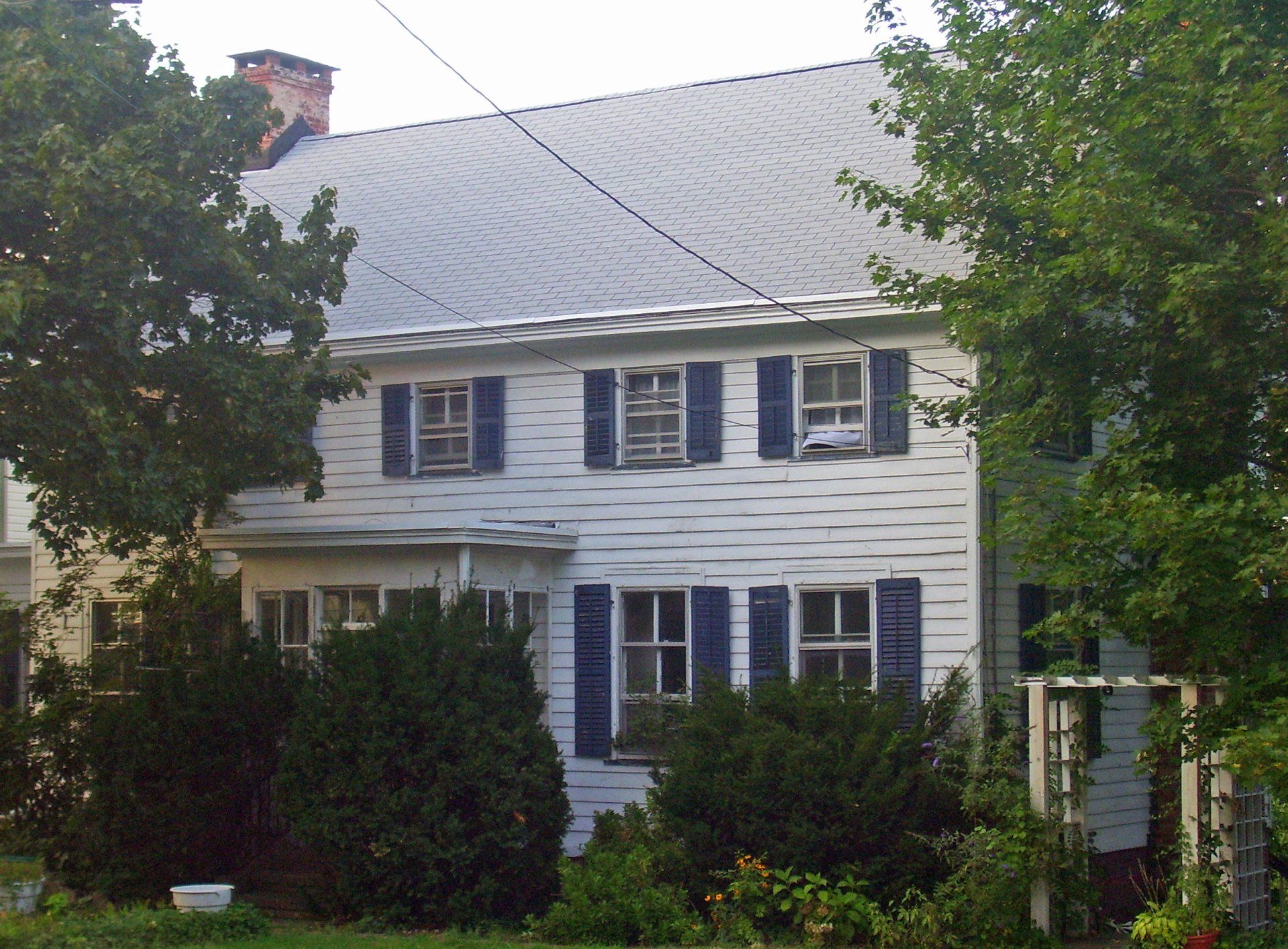
Few villages in the Hudson Valley pack as much Revolutionary War intrigue into such a compact area. The site of the Treason House — where Benedict Arnold and British spy Major John André secretly met in September 1780 to plot the surrender of West Point — is marked along Route 9W, offering a fascinating window into one of American history's most dramatic conspiracies. The Fraser-Hoyer House, listed on the National Register of Historic Places, adds another layer of architectural and historical depth. History buffs will also want to explore the Garnerville Arts and Industrial Center, housed in the oldest continuously operating industrial complex in the area, dating to the 1840s. This repurposed mill complex now serves as a creative hub for artists and small businesses, beautifully illustrating the village's transformation from industrial powerhouse to vibrant community.

Dining & Local Flavor

West Haverstraw's richly diverse population — with a strong Latino heritage — is reflected in its local dining scene. The village and neighboring Garnerville offer a variety of Latin American eateries, bakeries, and bodegas serving authentic cuisine. Those exploring homes for sale in West Haverstraw NY often discover that the area's food culture is one of its most appealing qualities, with accessible, flavorful options throughout the commercial corridor along Route 9W.

Family Activities & Community

Families are well served here, with community programs through the village and access to the Haverstraw King's Daughters Public Library nearby. The village is also just about 35 miles north of New York City, putting world-class museums, theaters, and entertainment within easy reach — an attractive feature for anyone considering a house for sale in West Haverstraw NY as a base for both suburban living and city access.

Latest Properties in West Haverstraw

Loading...

Loading latest properties...

See All Properties in West Haverstraw

History

From Brickyards to Brownstones: A Brief History of West Haverstraw

West Haverstraw's story begins long before its 1883 incorporation. Henry Hudson sailed through Haverstraw Bay in 1609, and the name "Haverstraw" — derived from the Dutch Haverstroo, meaning "oat straw" — appeared on Dutch maps as early as 1616, a nod to the reeds and grasses lining the river's edge. The Lenape people inhabited these lands before European settlers, primarily Dutch, arrived in the mid-17th century. In 1666, a large Hudson River tract was sold to New York merchant Balthazar de Harte, formalizing colonial ownership and setting the stage for agricultural development along the fertile floodplains.

The village's industrial identity took shape in the early 19th century. The Garnerville Print Works, established in 1828 for calico printing, gave the neighboring hamlet of Garnerville its name and anchored the local economy for decades. In 1830, Elisha Peck launched a rolling mill in the Samsondale area that eventually produced Civil War armaments. But it was brick manufacturing that truly defined the region — by the 1880s, over 40 brickyards operated along the Hudson, shipping millions of bricks annually to build New York City. The arrival of the New York and New Jersey Railroad in 1873, followed by the West Shore Railroad in 1883 (the same year the village was formally incorporated), cemented West Haverstraw's role as a Hudson Valley industrial hub.

The village also carries a notable Revolutionary War legacy. On the night of September 21–22, 1780, British Major John André landed in Haverstraw Bay to meet with the treasonous General Benedict Arnold, with local civilian Joshua Hett Smith facilitating the conspiracy at what became known as the Treason House. André's subsequent capture in Tarrytown unraveled the plot and made West Haverstraw a footnote in American espionage history — a legacy commemorated by historical markers along Route 9W today.

As brick production declined through the 20th century, West Haverstraw transitioned into the residential and service-oriented community it is today. The population grew dramatically — from just 1,602 at incorporation to 10,678 by 2020 — with particularly sharp gains during the postwar decades of the 1950s and 1960s that shaped much of the village's current housing stock. The Garnerville Arts and Industrial Center, operating out of an 1840s industrial complex, stands as a living bridge between that manufacturing past and a more creative present. For those exploring homes for sale in West Haverstraw NY, this layered history translates into a compact, character-rich village where 19th-century industrial heritage, Hudson River scenery, and a vibrant Latino community — now comprising 63.4% of residents — converge in just 1.54 square miles.

Weather

West Haverstraw, New York, experiences a humid continental climate, shaped by its position in the lower Hudson Valley roughly 35 miles north of New York City. The village sits between the Hudson River to the east and the ridgeline of Low Tor Mountain to the west, a geography that creates subtle but meaningful microclimatic effects — the river moderates temperature extremes while the surrounding hills can channel and intensify wind in the colder months.

Summers are warm and humid, with daytime highs typically ranging from the mid-80s°F and overnight lows settling in the upper 60s. Winters are cold but not severe by upstate standards, with average highs in the mid-30s°F and lows dipping into the teens and low 20s during the coldest stretches. Snowfall is a regular seasonal feature, though the Hudson Valley's position south of major storm tracks means accumulations are generally moderate rather than extreme.

Annual precipitation is fairly evenly distributed throughout the year, averaging around 45–50 inches, with no pronounced dry season. Spring and fall are particularly pleasant, offering mild temperatures and vivid foliage along the river corridor.

For anyone exploring a house for sale in West Haverstraw, NY, these climate patterns carry practical implications. Homes benefit from good insulation and efficient heating systems for winter comfort, while the warm, humid summers make central air conditioning a valued feature. The four distinct seasons also mean buyers should budget for routine seasonal maintenance — roof inspections after winter, and landscaping and exterior upkeep in the warmer months — though the same climate rewards outdoor living on the riverfront for a solid six months of the year.

West Haverstraw Market Analytics

The West Haverstraw housing market is showing signs of stability and growth, with the average home value increasing by 1.9% over the past year to $424,297, according to data analyzed by Opulist. This steady appreciation in home values suggests that the market is balancing, with neither buyers nor sellers having a clear advantage, making it a good time for potential buyers to explore the market. As a result, now may be an opportune time to consider purchasing a home in West Haverstraw, with Opulist being a valuable resource to navigate the local real estate landscape.


1-Year Home Value Change: +1.9%

West Haverstraw Home Value Index over time.

Can I Afford West Haverstraw?
$
%
$0
Est. Monthly Payment
$0/yr
Salary Required

*Principal & interest only. Salary based on 28% debt-to-income ratio.

Get Pre-Approved for West Haverstraw