
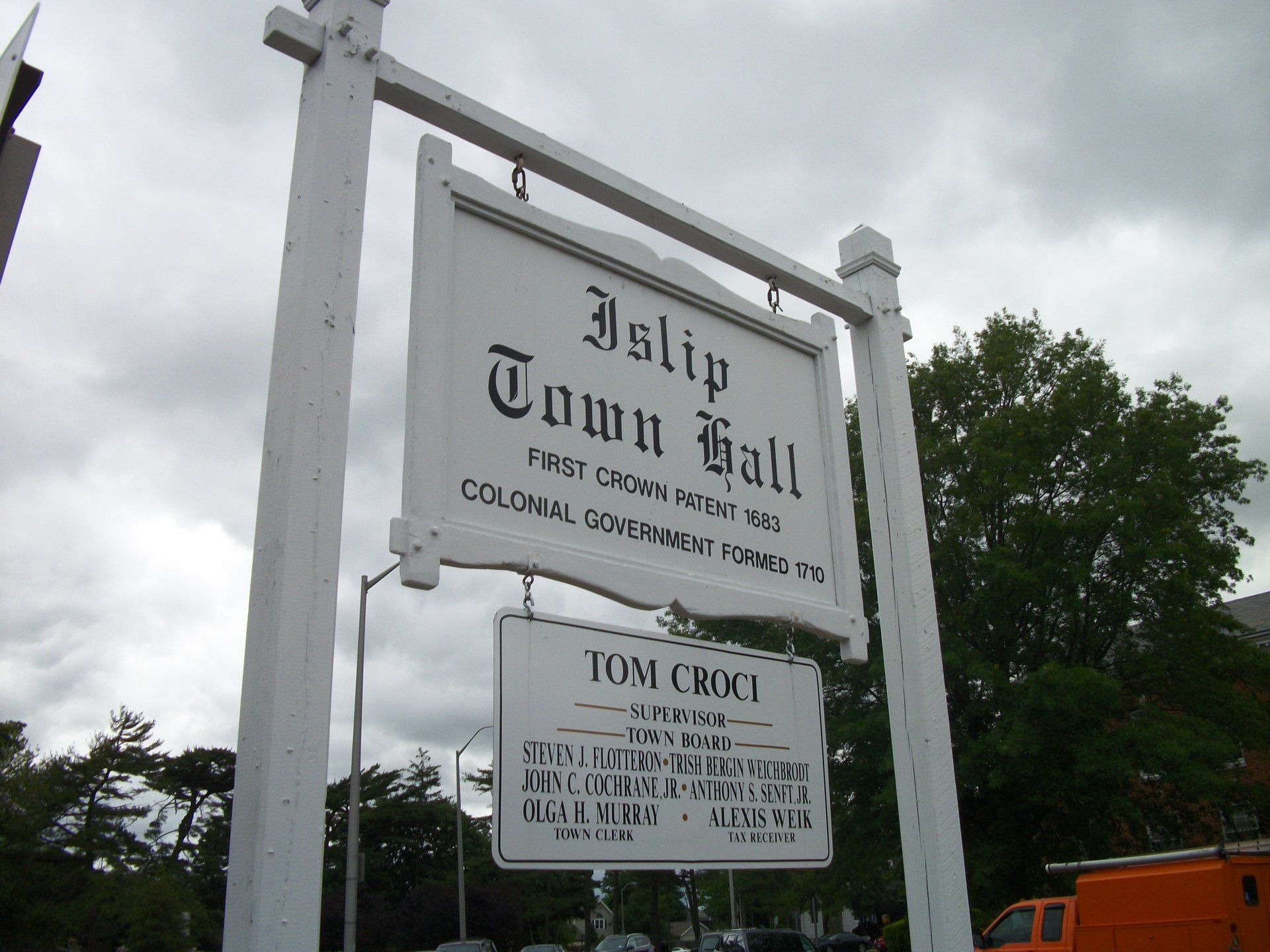
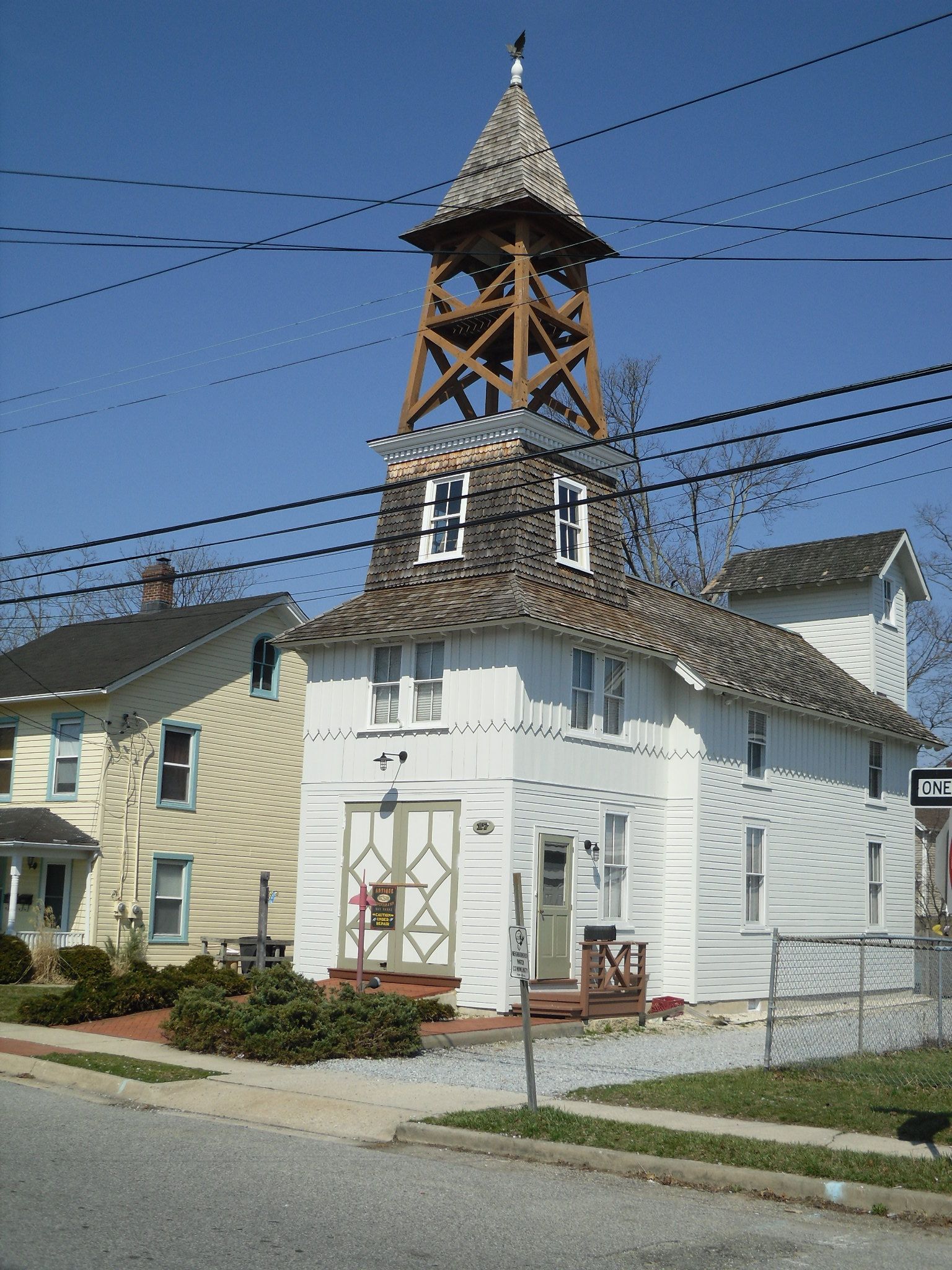
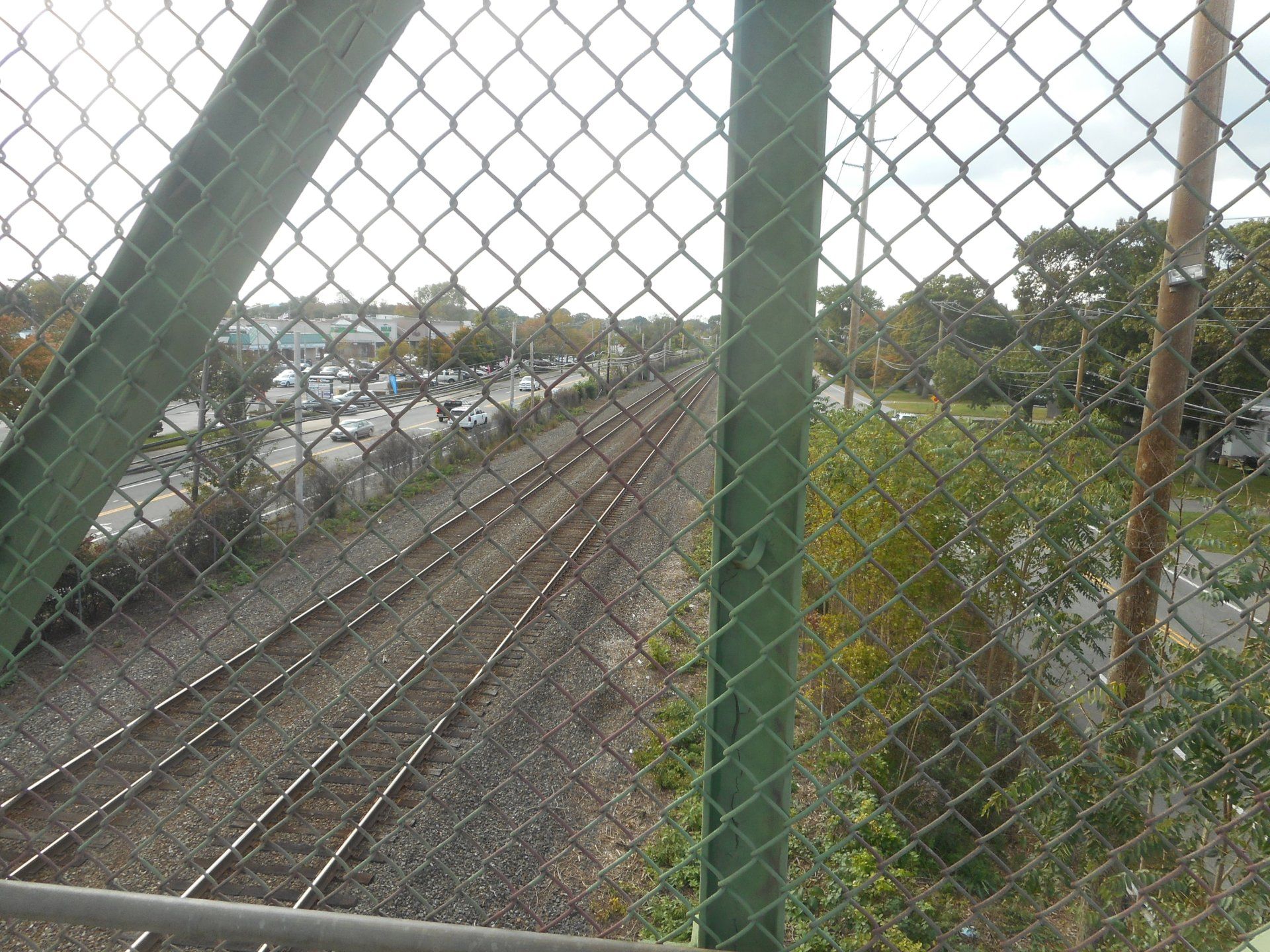
Settled in 1683 on the South Shore of Long Island, West Islip is a hamlet and census-designated place within the Town of Islip, Suffolk County — a community that has grown from a Secatogue Native American settlement and colonial farming village into one of Suffolk County's most sought-after residential addresses. With a median household income of $171,045 and a homeownership rate approaching 96%, West Islip carries a distinctly stable, owner-occupied character that sets it apart from neighboring Bay Shore to the east and Babylon to the west. The West Islip Union Free School District serves roughly 3,700 students across seven schools and consistently draws families who prioritize public education. Commuters benefit from proximity to Babylon Station on the Long Island Rail Road, just about a mile from the hamlet's edge, putting Midtown Manhattan within reach in under an hour. The Great South Bay forms the community's southern boundary, offering waterfront recreation that few inland suburbs can match. For buyers exploring homes for sale in West Islip, NY, the combination of strong schools, bay access, and a tight-knit residential culture makes this hamlet a compelling place to put down roots for the long term.
Welcome to West Islip
Community Profile
Few communities on Long Island's South Shore combine suburban comfort with the kind of economic strength found here. With a median household income of $176,281 — more than double the national median — and a remarkable 77.7% of households earning six figures or more, West Islip ranks among the most prosperous residential communities in Suffolk County. That prosperity is broadly shared: 73.5% of families are dual-income households, unemployment sits at just 3.7%, and the poverty rate is an exceptionally low 2.7%, painting a picture of a community where financial stability is the norm rather than the exception.
Homeownership here is nearly universal — 95% of residents own their homes, far above the national rate of 65.5%, which speaks to the deep roots and long-term commitment people make to this neighborhood. Those browsing homes for sale in West Islip, NY will find a median home value of $614,374, reflecting both strong demand and the quality of the housing stock. The community skews toward families, with an average household size of 3.5 people, nearly 24% of residents under age 20, and a median age of 38.5 that mirrors the national figure — meaning West Islip attracts buyers at every stage of family life. Add in a well-educated workforce — 49.7% hold a bachelor's degree or higher, with 22.9% holding graduate degrees — and an average commute of just 30.2 minutes into the greater New York metro, and the appeal becomes undeniable.
Things to Do
Outdoor Recreation & Waterfront
West Islip's greatest natural asset is its direct access to the Great South Bay, and residents take full advantage of it year-round. The West Islip Beach and Marina offers public waterfront access for swimming, boating, and fishing, with the calm bay waters making it ideal for kayaking and paddleboarding during the warmer months. Just to the south, Fire Island National Seashore and Jones Beach State Park are easily reachable by ferry or a short drive, delivering some of the finest ocean beaches on the East Coast. Autumn is a particularly magical time along the South Shore, when mild temperatures and golden foliage make waterfront walks genuinely spectacular.
Parks & Family Activities
The flat, walkable terrain of West Islip lends itself well to cycling and outdoor family time. The hamlet's parks and green spaces provide room to breathe in an otherwise busy suburban setting. Families with younger children will find plenty of recreational programming through the community, and the West Islip Public Library hosts a consistent calendar of events, workshops, and activities for all ages — making it a genuine community hub rather than just a place to borrow books.
Dining & Local Character
West Islip's dining scene reflects its strong Italian-American heritage — a community where nearly 44% of residents claim Italian ancestry. Montauk Highway, the hamlet's main commercial corridor, is lined with neighborhood restaurants, delis, and pizzerias that have served the community for generations. The area's proximity to the bay also means fresh seafood is a staple on local menus, particularly during summer.
Arts, Culture & History
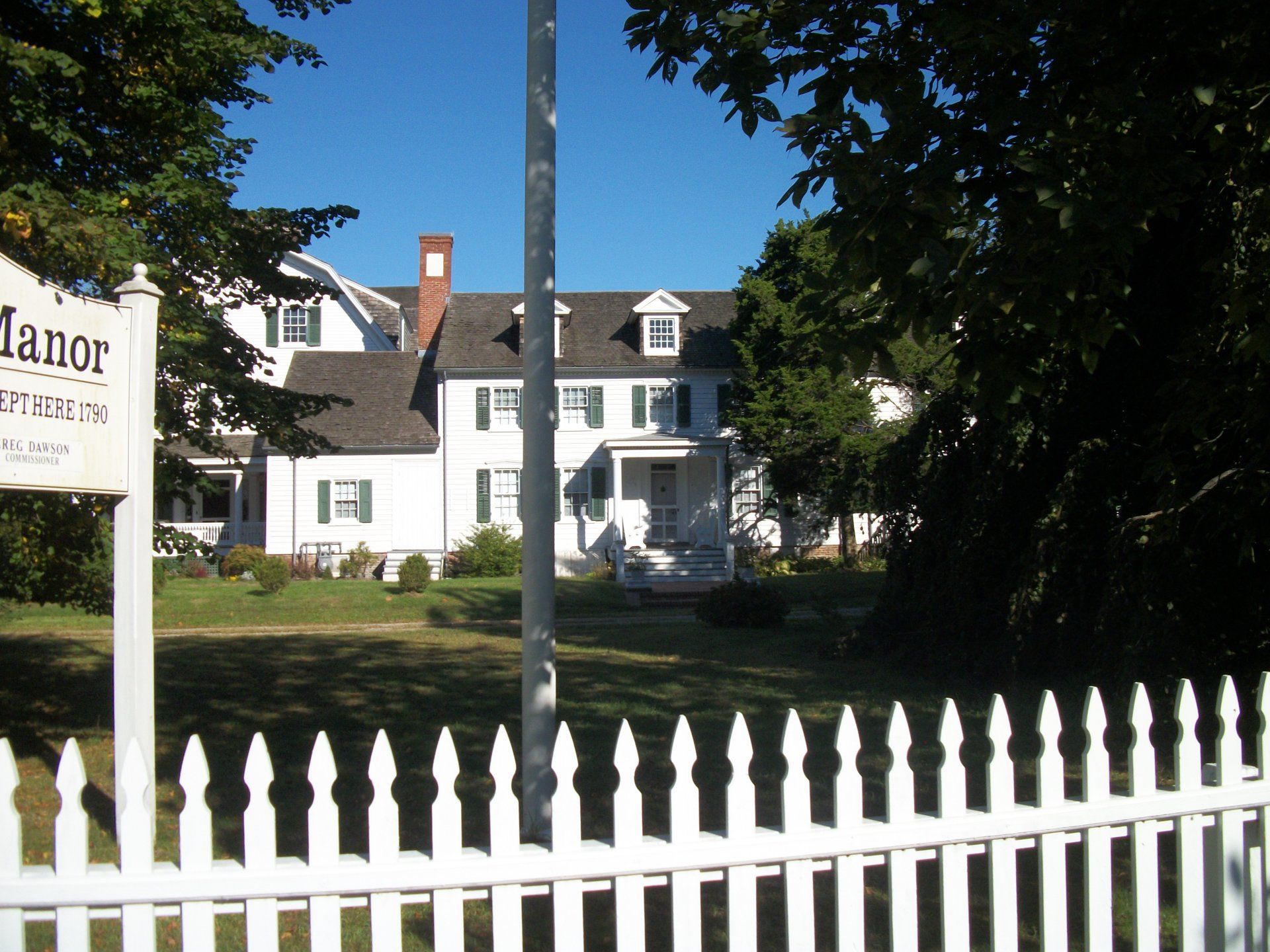
History enthusiasts will appreciate that West Islip sits within easy reach of Sagtikos Manor in neighboring West Bay Shore, one of Long Island's oldest historic homes, visited by George Washington in 1790. Closer to home, the La Grange Inn landmark connects the hamlet to its 18th-century past. Those browsing west islip homes for sale often discover that this sense of rooted, layered history is part of what gives the community its distinctive character — a place where the past and a vibrant present coexist comfortably along the South Shore.
Latest Properties in West Islip
Loading latest properties...
History
West Islip's story begins long before European contact. The Secatogue tribe, an Algonquian-speaking people of the Unkechaug nation, established villages along the edges of the Great South Bay, Sampawams Creek, and Willetts Creek — the same waterways that still define the community's western and southern boundaries today. A Native American burial ground discovered north of West Islip beach remains one of the most tangible links to that pre-colonial era.
European settlement took hold in 1683, when a 50,000-acre patent was granted to William Nicoll, formally establishing the Town of Islip under English colonial rule. Early settlers built their livelihoods around farming, fishing, and oystering along the bay — industries that shaped the hamlet's close relationship with the water, a character trait that persists in its marina, beaches, and bayfront lifestyle to this day.
The pivotal turning point came in 1844, when the Long Island Rail Road extended service through the area, drawing travelers and accelerating residential interest along the South Shore. By the mid-20th century, West Islip had evolved into a quintessential postwar suburb, its tree-lined streets filling with families drawn by good schools, safe neighborhoods, and easy access to New York City, roughly 45 miles to the west.
That postwar buildout largely defines the housing stock buyers encounter today when browsing west islip homes for sale — well-maintained single-family ranches and colonials on established lots, many within walking distance of the bay. With a homeownership rate of 95.8% and a median home price of $592,700, the market reflects a community where residents put down deep roots, just as they have for more than three centuries.
Weather
West Islip, New York, experiences a humid subtropical climate (Köppen Cfa), a classification that places it at the northern edge of that zone, where four distinct seasons bring genuine variety throughout the year. Its position on Long Island's South Shore, fronting the Great South Bay with the Atlantic Ocean not far beyond, gives the community a meaningful maritime influence that moderates temperature extremes compared to inland areas at the same latitude.
Summers are warm and humid, with daytime highs typically climbing into the low-to-mid 80s°F and overnight lows settling in the upper 60s°F. Occasional heat waves push temperatures higher, but sea breezes off the bay provide natural relief. Winters are cool rather than harsh, with average highs in the upper 30s to low 40s°F and lows dipping into the upper 20s°F. Nor'easters are the season's defining weather events, delivering a mix of snow, sleet, and rain, with seasonal snowfall averaging around 27 inches.
Annual precipitation runs approximately 46 inches, distributed fairly evenly across all seasons. Summer thunderstorms and occasional remnants of Atlantic hurricanes are notable features, and the community's low-lying coastal terrain makes storm surge and tidal flooding real considerations.
For anyone exploring homes for sale in West Islip, NY, these climate patterns carry practical weight. Waterfront and near-water properties require diligent attention to flood insurance and storm preparedness. Heating and cooling costs are moderate by Northeast standards, and the long, pleasant shoulder seasons make outdoor living — on decks, in yards, and along the bay — a genuine part of daily life here.
West Islip Market Analytics
Can I Afford West Islip?
Weather