
West Palm Beach, Florida

Location:
West Palm Beach, FL

Welcome to West Palm Beach

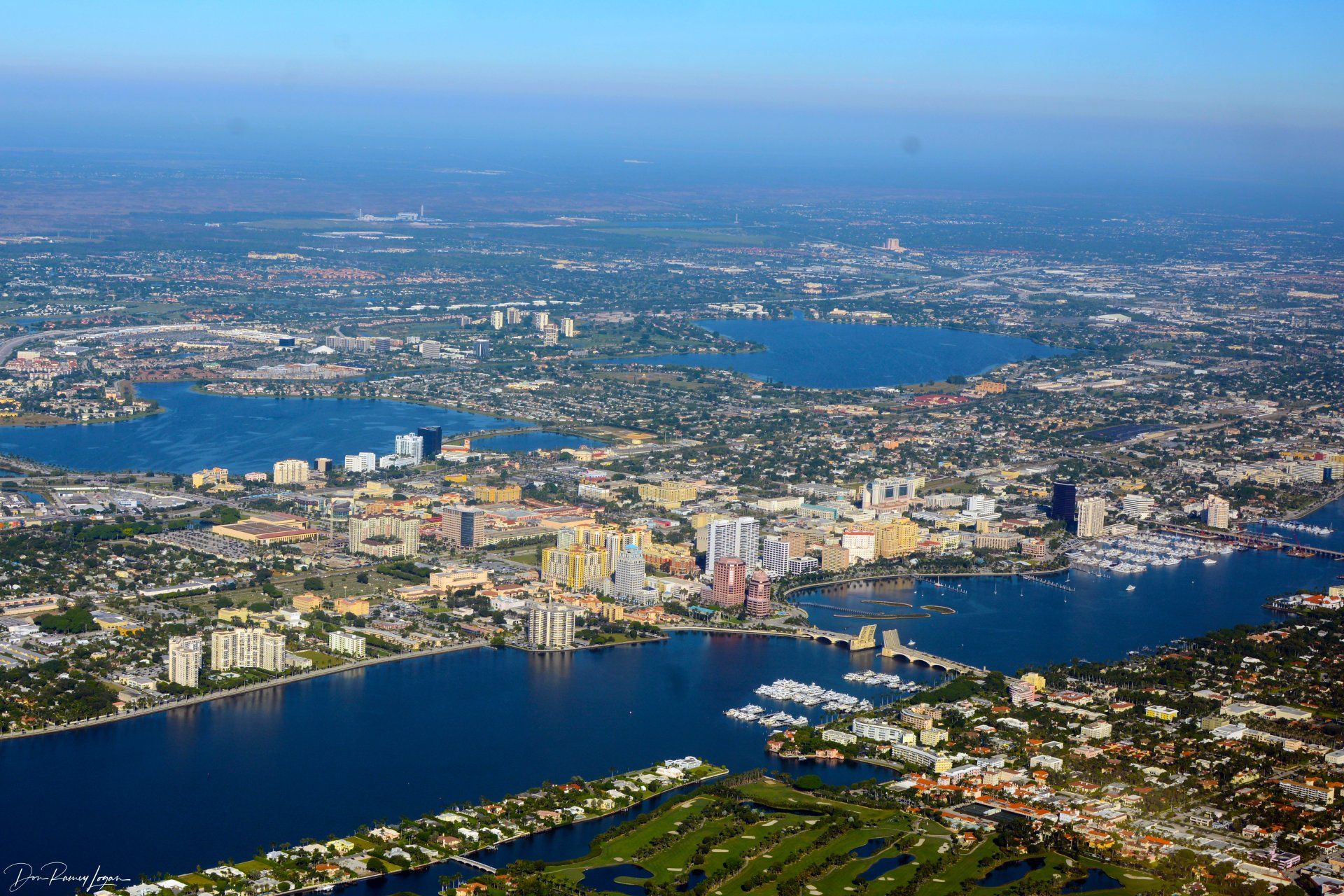
Incorporated on November 5, 1894 — making it the oldest incorporated municipality in South Florida, two years before Miami — West Palm Beach has grown from Henry Flagler's mainland service town into the county seat and commercial engine of Palm Beach County. With a population of over 117,000 spread across nearly 58 square miles, it occupies a fundamentally different role than its neighbor across the Lake Worth Lagoon: while the island town of Palm Beach remains an exclusive enclave of private estates and luxury hotels, West Palm Beach is where business gets done, culture thrives, and a far broader range of residents actually build their lives.

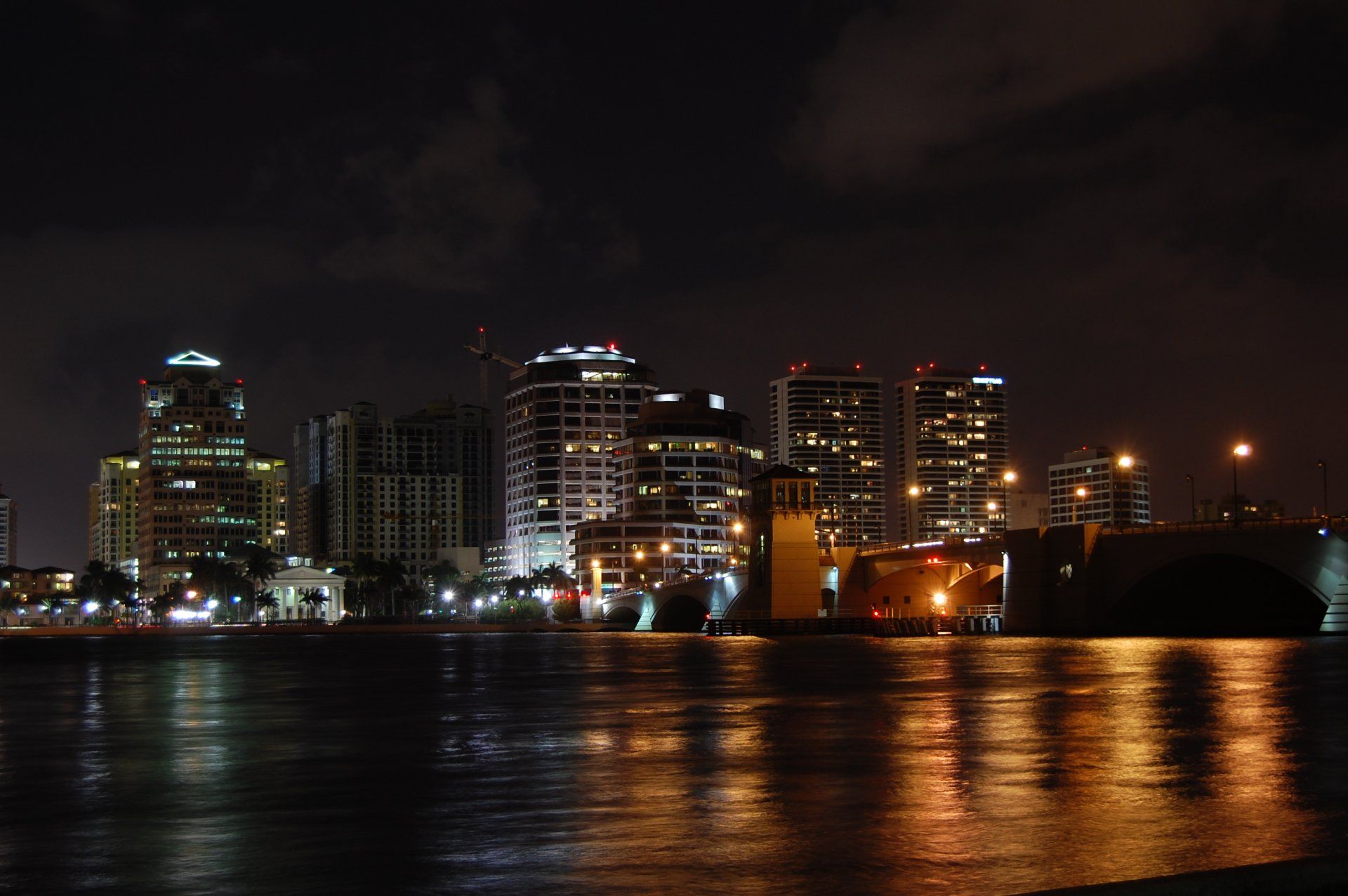
The Kravis Center for the Performing Arts anchors a downtown that has transformed dramatically over the past three decades, drawing national touring productions, symphony performances, and a steady stream of visitors who support the restaurants, galleries, and mixed-use developments along Clematis Street and Rosemary Square. Palm Beach Atlantic University adds an academic presence to the urban core, while Palm Beach International Airport keeps the city connected to major markets without the congestion of Miami or Fort Lauderdale. For buyers and investors watching South Florida's continued northward expansion, West Palm Beach offers the infrastructure of a mature city with the momentum of one still very much in the process of becoming.


Community Profile

Sitting at the northern anchor of South Florida's Gold Coast, this Palm Beach County city of 122,290 residents blends a remarkably diverse, well-educated population with the kind of lifestyle that draws people from across the country. The community skews slightly older than the national median, with a median age of 41.1 years and 21.5% of residents over 65 — a reflection of Florida's enduring appeal to those seeking warm winters and a high quality of life. Yet the age spread is genuinely broad, with strong representation in the 20s and 30s cohorts, giving the city an energetic, multigenerational character.

Intellectually, the city punches well above average: 39.1% of residents hold a bachelor's degree or higher — outpacing the national college attainment rate of roughly 33% — and 14.7% have earned a graduate degree. That educated workforce helps sustain a median household income of $73,446, closely tracking the national median, while a notable 36.5% of households earn six figures or more. For those exploring west palm beach homes for sale, the median home value of $415,916 reflects a market with genuine long-term appreciation potential, supported by a city where nearly half of all families — 47.1% — bring in dual incomes. Commutes are a genuine selling point too, averaging just 23.4 minutes — well under the national norm — leaving more time to enjoy the waterfront parks, Clematis Street, and the cultural amenities that make this one of Florida's most compelling urban addresses.

Things to Do

Arts & Culture

West Palm Beach punches well above its weight when it comes to cultural offerings. The Norton Museum of Art ranks among the finest art museums in the Southeast, housing an impressive permanent collection spanning European, American, Chinese, and contemporary works. Just a short drive away, the Kravis Center for the Performing Arts — a landmark that helped anchor the city's downtown revival when it opened in 1992 — hosts Broadway touring productions, symphony performances, and world-class entertainers throughout the season. The historic Clematis Street corridor downtown pulses with galleries, live music venues, and a weekly street festival that draws locals and visitors alike.

Outdoor Recreation

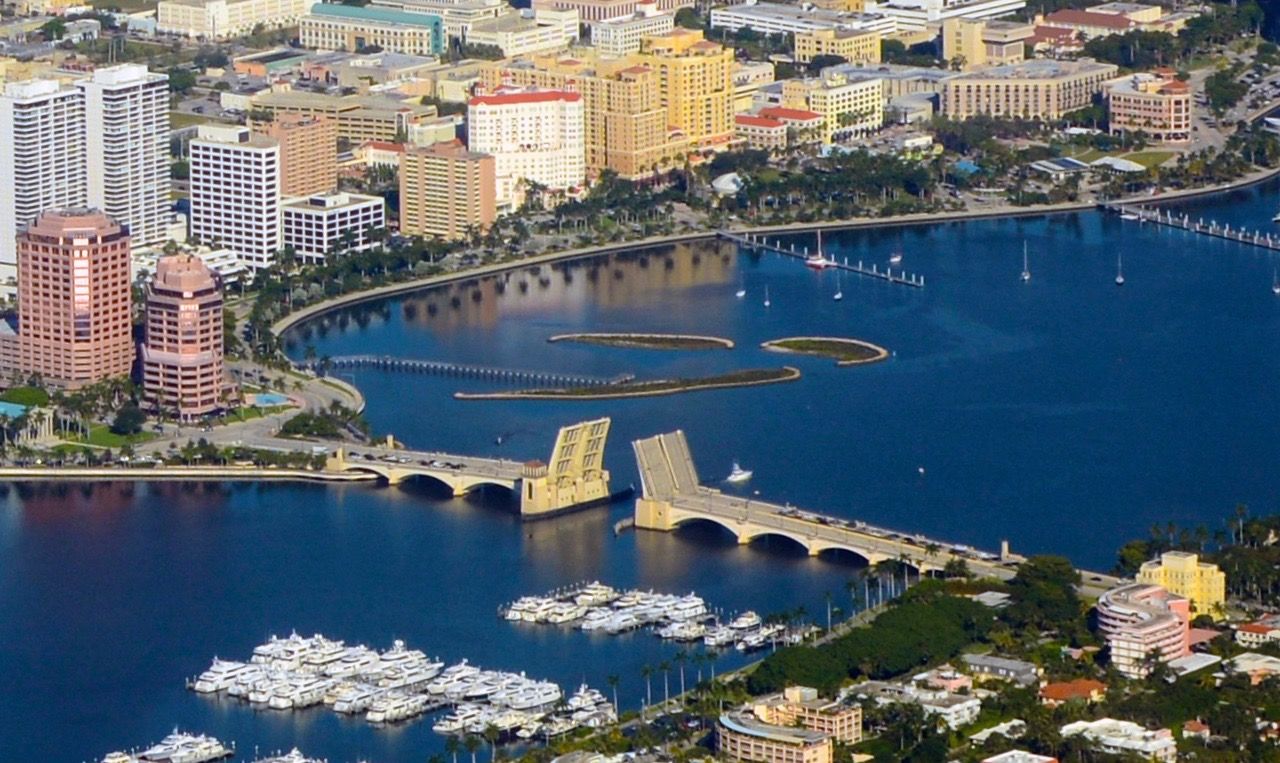
With a tropical climate and miles of waterfront, West Palm Beach is an outdoor enthusiast's paradise. Flagler Drive runs along the scenic Lake Worth Lagoon, offering a beloved waterfront promenade ideal for cycling, jogging, and watching the sun rise over Palm Beach island across the water. Okeeheelee Park, one of the largest parks in Palm Beach County, features nature trails, a BMX track, and water sports facilities. Boating, kayaking, and paddleboarding are popular year-round, and deep-sea fishing charters depart regularly from local marinas.

Shopping & Dining

Rosemary Square (formerly CityPlace), the vibrant mixed-use development in the heart of downtown, offers an eclectic mix of boutiques, restaurants, and entertainment venues centered around a lively fountain plaza. The surrounding blocks feature everything from casual waterfront dining to upscale cuisine, with a strong emphasis on fresh seafood and Latin-influenced flavors that reflect the city's diverse population. Antique Row along South Dixie Highway is a treasure trove for collectors and design enthusiasts.

Family Activities & Sports

Families will find plenty to keep everyone engaged. The Palm Beach Zoo & Conservation Society is a beloved local institution set within Dreher Park, featuring hundreds of animals in lush, naturalistic habitats. Sports fans can catch Miami Marlins and Houston Astros spring training action at The Ballpark of the Palm Beaches, a premier facility that draws baseball lovers every February and March. The South Florida Fair, held annually in January, is one of the largest events in the region, drawing hundreds of thousands of visitors with rides, live entertainment, and agricultural exhibits.

Latest Properties in West Palm Beach

Loading...

Loading latest properties...

See All Properties in West Palm Beach

History

From Flagler's Service Town to South Florida's Urban Core

West Palm Beach owes its very existence to one man's ambition. In 1893, railroad and hotel magnate Henry Flagler platted a mainland settlement to house the workers and merchants supporting his grand resort hotels across Lake Worth on Palm Beach island. He purchased the original town site — stretching from Clear Lake to Lake Worth — from Captain Porter and Louie Hillhouse for $45,000, and on November 5, 1894, West Palm Beach was officially incorporated, becoming the first incorporated municipality in South Florida, predating Miami by two years.

The city grew modestly through the early 1900s, becoming the Palm Beach County seat in 1909, but it was the roaring 1920s land boom that truly transformed its character. The population quadrupled between 1920 and 1927, and the frenzied construction of that era produced the historic architecture and preserved neighborhood streetscapes that still define much of the downtown core today. That boom collapsed violently — first with the devastating 1928 Okeechobee hurricane, then the Great Depression — leaving overbuilt subdivisions and deflated land values in its wake.

Recovery came through World War II, when the construction of Palm Beach Air Force Base brought thousands of military personnel to the area. Many veterans returned in the 1950s, and the spread of air conditioning made year-round tropical living newly appealing to northerners, pushing the city's borders westward. Downtown revitalization gained momentum in the 1990s with the 1992 opening of the Kravis Center for the Performing Arts and the 2000 debut of the mixed-use CityPlace development. Those investments seeded the walkable, amenity-rich downtown that now commands some of the city's strongest real estate premiums, while the 1920s-era neighborhoods ringing the urban core remain perennially sought after for their architectural character and mature landscaping.

Weather

A Climate Made for Outdoor Living

West Palm Beach enjoys a tropical savanna climate, characterized by hot, humid summers and warm, dry winters — a combination that draws residents and visitors from colder regions year-round. Situated along the southeastern Florida coast near the Atlantic Ocean and the Lake Worth Lagoon, the city benefits from consistent sea breezes that provide a modest moderating influence on temperatures throughout the year.

Summers, which stretch roughly from May through October, bring high temperatures typically in the low-to-mid 90s°F, with overnight lows rarely dipping below the mid-70s. Humidity is high during these months, and afternoon thunderstorms are a near-daily occurrence — the result of moist Atlantic air colliding with daytime heat. This wet season delivers the bulk of the city's annual rainfall. Winters are mild and largely dry, with daytime highs generally in the low-to-mid 70s°F and nighttime lows occasionally dropping into the 50s, though freezing temperatures are exceptionally rare.

The Atlantic hurricane season, running June through November, is a defining weather consideration for the region. West Palm Beach has experienced significant storm impacts historically, making wind-resistant construction, impact windows, and flood insurance important factors in local real estate decisions. The city's low average elevation also raises considerations around storm surge and long-term sea-level rise.

On the lifestyle side, the climate is a genuine asset — outdoor living spaces, pools, and waterfront access are highly valued, while heating costs remain minimal. Cooling costs, however, are a year-round budget consideration for homeowners.

West Palm Beach Market Analytics

The West Palm Beach market is showing signs of balance, with the average home value at $396,195, down 4.0% over the past year, and a sale-to-list ratio of 0.961, indicating that homes are selling for slightly below their listed price. As an expert at Opulist, I can tell you that this suggests a relatively stable market, with opportunities for both buyers and sellers, and with 81.1% of sales happening below list price, buyers may have some negotiating power.


1-Year Home Value Change: -4%

West Palm Beach Home Value Index over time.

Can I Afford West Palm Beach?
$
%
$0
Est. Monthly Payment
$0/yr
Salary Required

*Principal & interest only. Salary based on 28% debt-to-income ratio.

Get Pre-Approved for West Palm Beach