

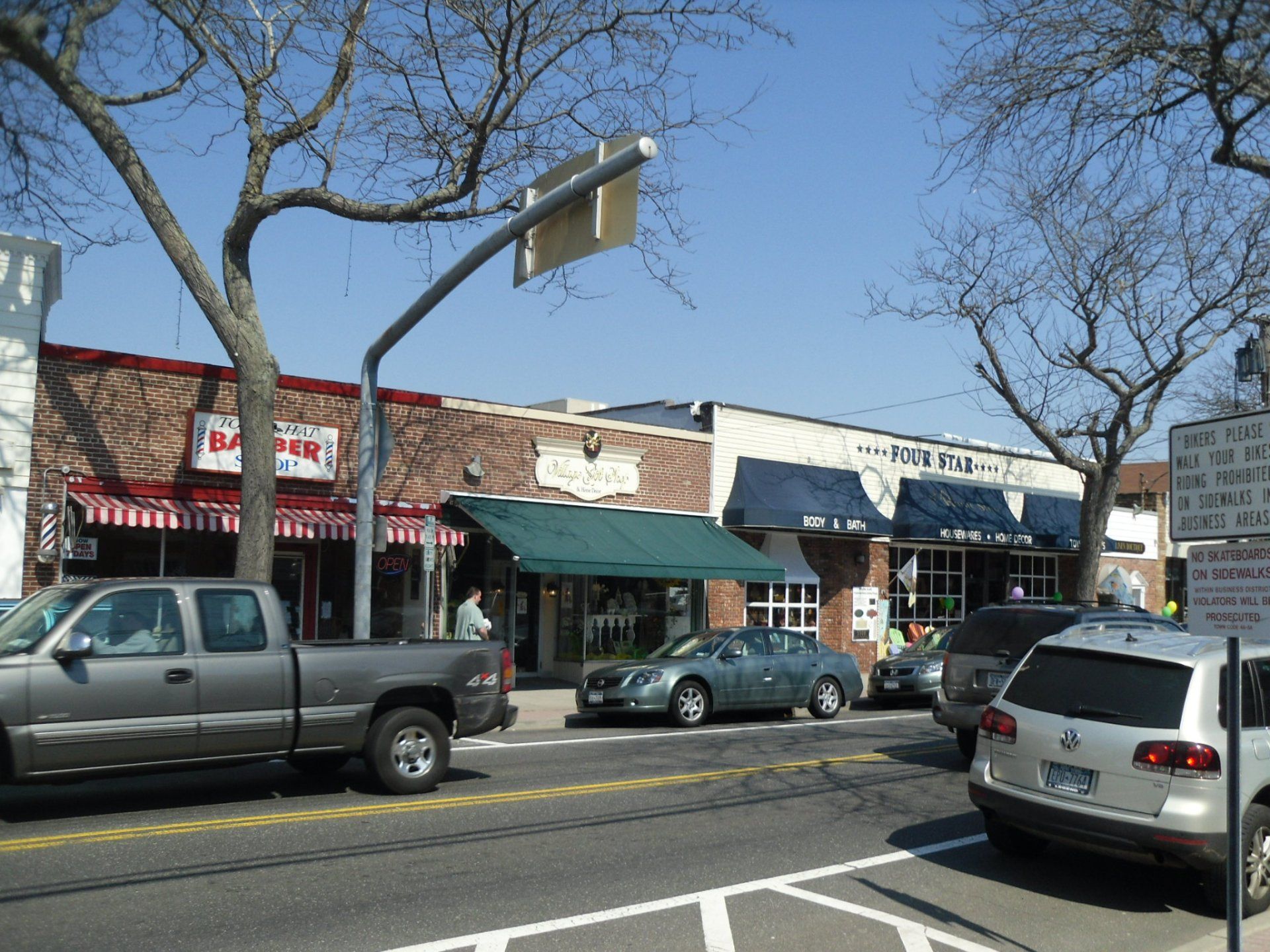
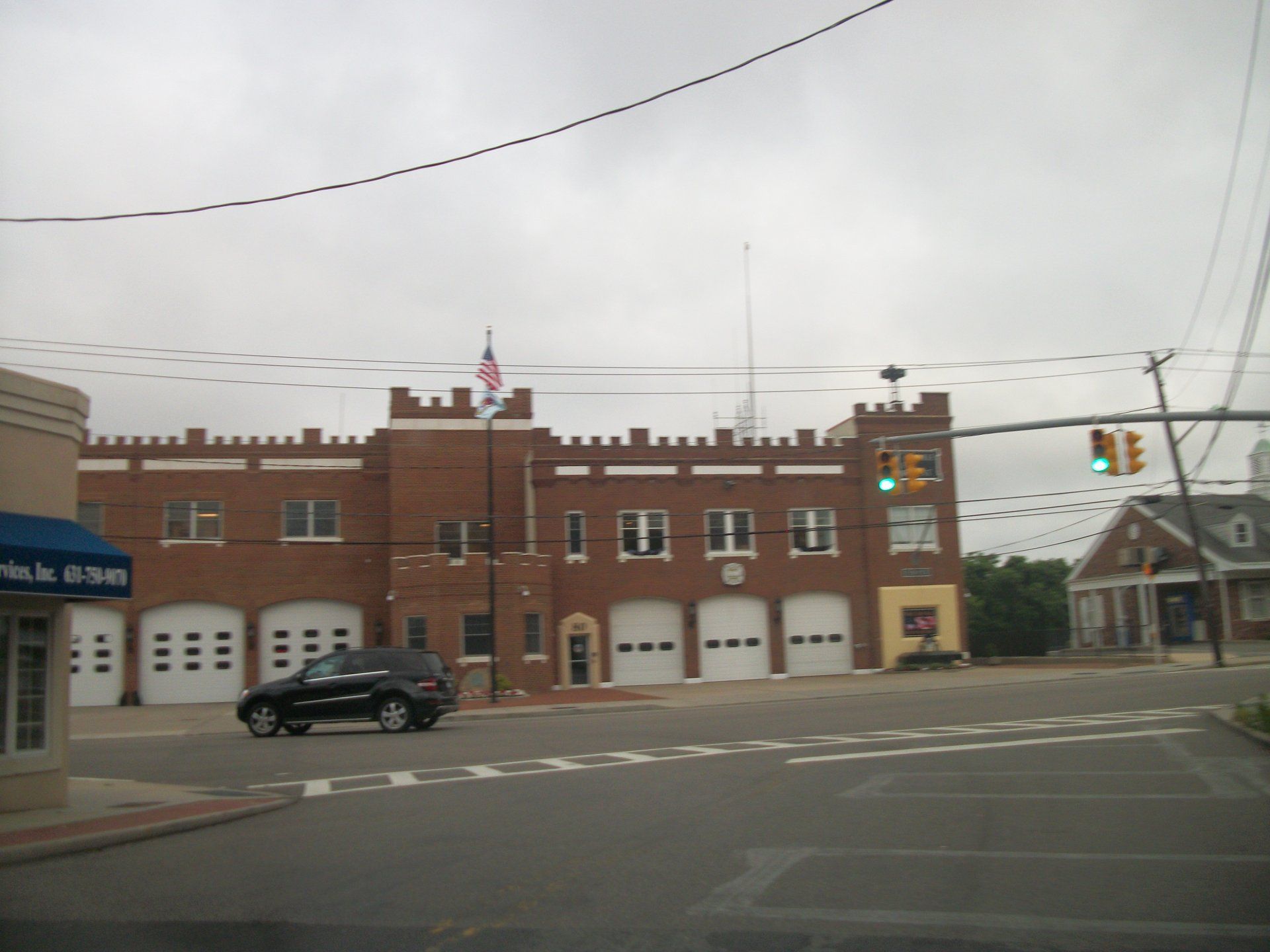
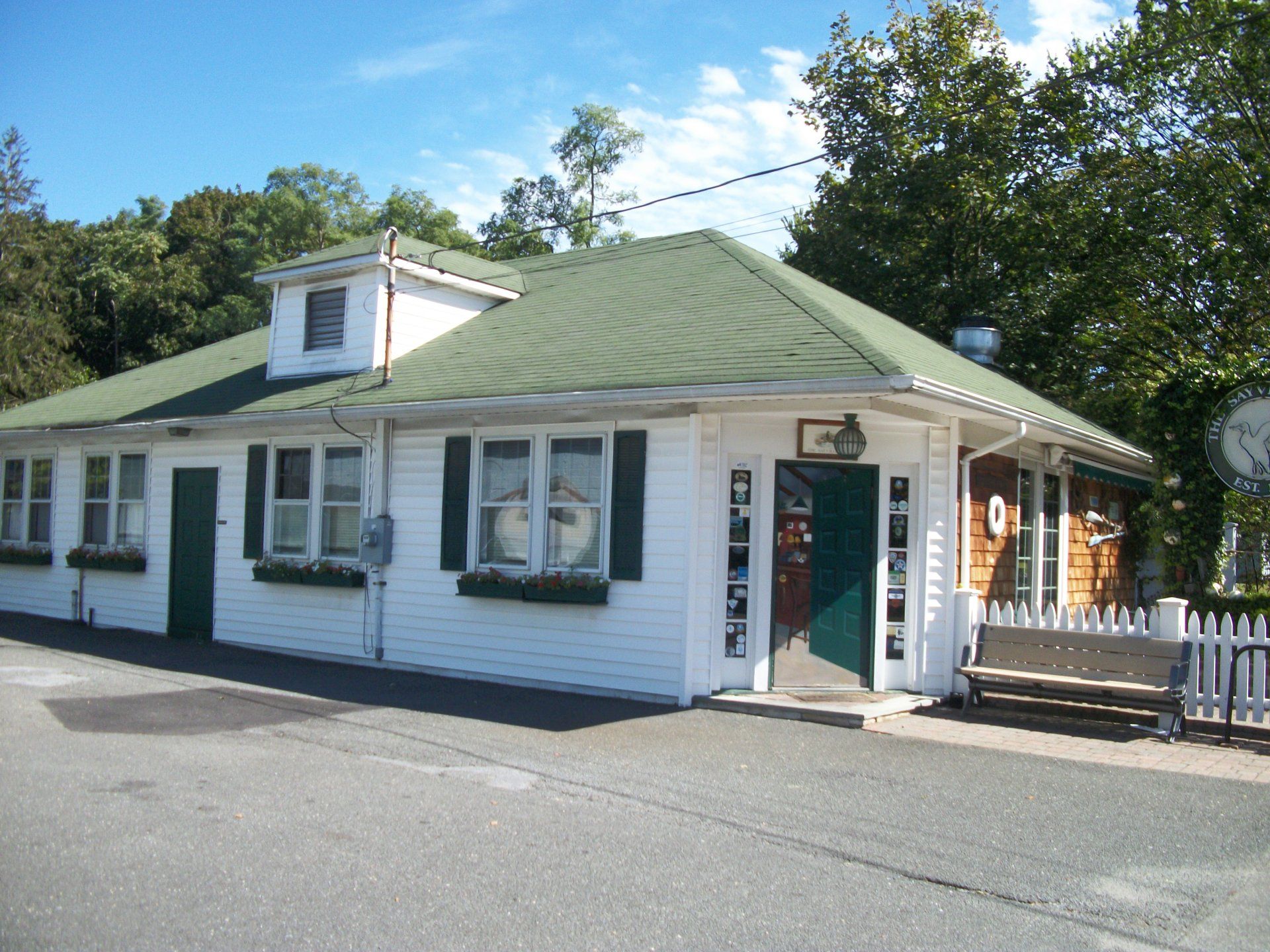
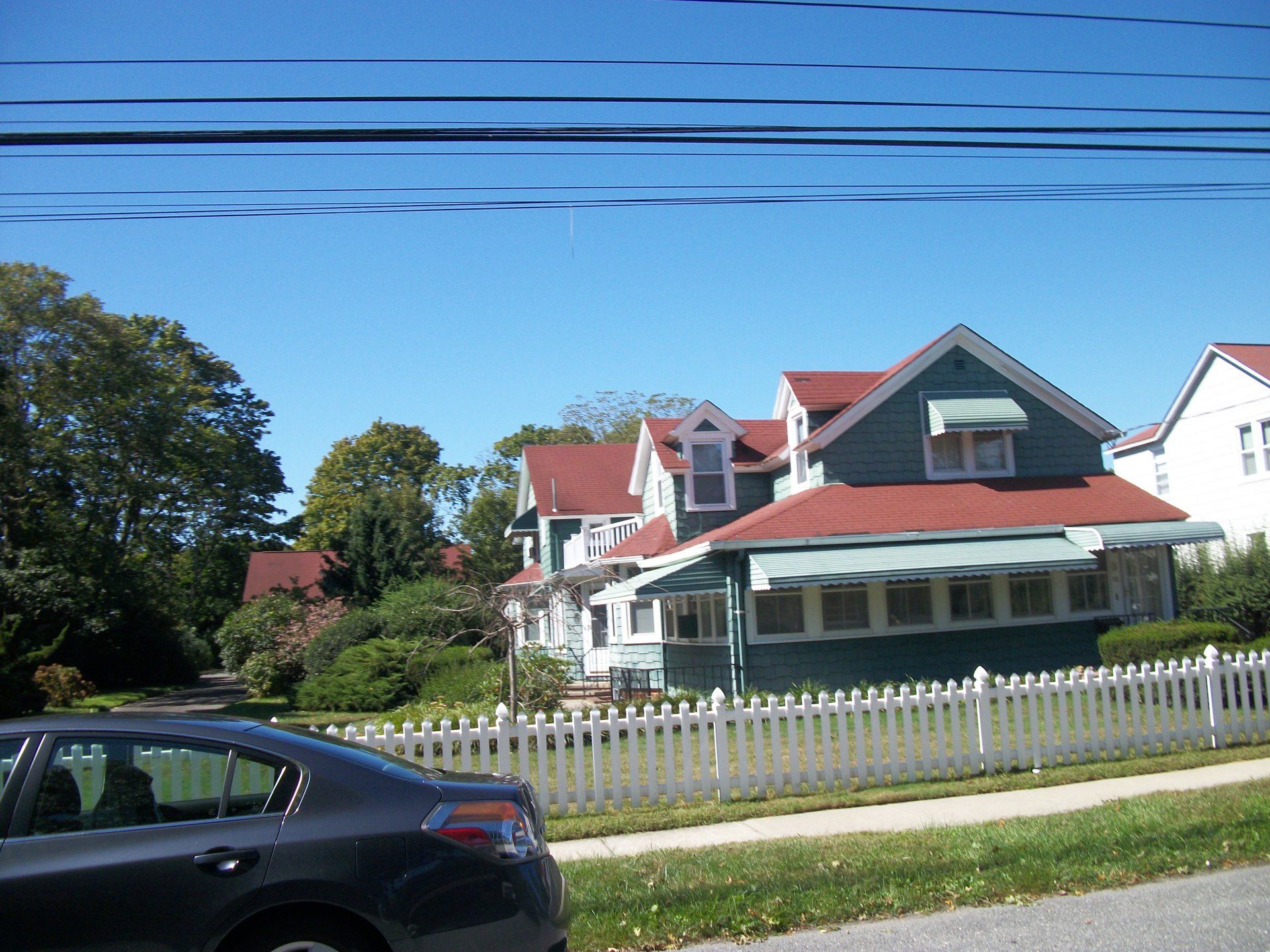
Settled in 1767 by John Greene along the South Shore of Long Island, West Sayville is a compact hamlet in the Town of Islip, Suffolk County, sitting directly on the edge of the Great South Bay. What separates it from its larger neighbor Sayville to the east is precisely its scale and intimacy — with just under 5,000 residents spread across roughly two square miles, West Sayville offers a quieter, more private character while sharing access to the same remarkable waterfront and regional amenities. The Sayville National Wildlife Refuge, a 127-acre preserve managed by the U.S. Fish and Wildlife Service, lies within the community, protecting tidal salt marshes and bay beach habitats that give the neighborhood a rare ecological richness. Commuters benefit from proximity to the Sayville station on the Long Island Rail Road's Montauk Branch, connecting residents to Penn Station and beyond. With a median household income exceeding $154,000 and a median age reflecting established, long-term residents, West Sayville attracts buyers who value bayfront living, natural surroundings, and suburban stability — a combination that only becomes harder to find on Long Island's South Shore.
Welcome to West Sayville
Community Profile
Tucked along the Great South Bay in Suffolk County, this small but prosperous Long Island hamlet of roughly 4,800 residents paints a compelling picture of established, high-achieving suburban life. The median household income here reaches a remarkable $166,312 — more than double the national median — and an extraordinary 71.8% of households earn six figures or more, reflecting a community of serious earners who have planted deep roots on the South Shore. That stability shows up in the homeownership rate as well: 86.2% of residents own their homes, a figure that towers above the national average of 65.5% and signals a neighborhood where people arrive and stay.
The community skews toward life's more seasoned chapters, with a median age of 50.5 years and nearly 22.9% of residents over 65 — a demographic that tends to bring quiet streets, well-maintained properties, and a strong sense of civic investment. Education levels are equally impressive: 41.5% hold at least a bachelor's degree, and 18.2% have earned a graduate degree, well above national benchmarks. Meanwhile, the unemployment rate sits at a near-negligible 1.1%, and the poverty rate of just 2.8% underscores the community's financial resilience. With an average commute of 28.4 minutes into the broader New York metro, residents enjoy access to one of the world's great economic engines without sacrificing the unhurried pace of waterfront Long Island living.
Things to Do
Outdoor Recreation & Waterfront
West Sayville's greatest natural asset is its position along the Great South Bay, and residents make the most of it year-round. The Sayville National Wildlife Refuge, a 127-acre preserve managed by the U.S. Fish and Wildlife Service, sits right in the community and offers a rare chance to explore tidal salt marshes, maritime shrublands, and bay beach habitats without traveling far from home. Birdwatchers find it especially rewarding during spring and fall migrations. The nearby San Souci Lakes Nature Preserve — which includes the historic Meadow Croft estate, once home to John Ellis Roosevelt — provides wooded trails and a glimpse into the area's Gilded Age past. Boating and fishing on the bay are perennial pastimes, and the calm, sheltered waters make kayaking and paddleboarding accessible even for beginners.
Arts & Culture
The Long Island Maritime Museum, located just minutes away in West Sayville, is a genuine regional gem. Its collection chronicles the South Shore's deep connection to the sea — from the oyster industry that once defined the local economy to the wooden boat-building traditions that shaped the waterfront. Rotating exhibits and hands-on programs make it engaging for visitors of all ages. History enthusiasts will also appreciate that West Sayville itself is layered with remarkable stories, from President George Washington's 1790 stop on Montauk Highway to the dramatic World War I seizure of the German Telefunken wireless station.
Golf & Sports
An 18-hole golf course serves the community, offering a well-maintained option for golfers who want to play close to home without venturing into more congested parts of Long Island. The flat coastal terrain keeps the course approachable while the bay breezes add a pleasant challenge.
Day Trips & Ferry Access
One of West Sayville's most enviable advantages is its proximity to the Fire Island ferry departing from neighboring Sayville. Within minutes, residents can reach the pristine barrier island beaches, the Sunken Forest at Sailors Haven, and the vibrant communities of Cherry Grove and Fire Island Pines — making summer weekends feel like a genuine escape without the long drive.
Latest Properties in West Sayville
Loading latest properties...
History
West Sayville's story begins in 1767, when John Greene settled the area then known informally as "over south" — a coastal stretch of the South Shore that had already seen neighboring Sayville take shape six years earlier under John Edwards. The hamlet's formal identity emerged from a quirk of history: when residents gathered in 1838 to name their post office, a clerical misspelling of "Seaville" produced "Sayville," a name the Postmaster General refused to correct, and it stuck for the entire surrounding area.
The arrival of the South Side Railroad in 1868 transformed the region from a quiet agricultural and fishing community into a genuine destination. Timber and oyster industries had already given the local economy its backbone, but rail access brought summer tourists, more than 30 hotels, and ferry service to Fire Island. The prosperous decades between 1880 and 1930 left a lasting architectural legacy — grand homes and estates that still define the neighborhood's streetscape, including Meadow Croft, built for John Ellis Roosevelt, a cousin of Theodore Roosevelt, now preserved within Suffolk County's San Souci Lakes Nature Preserve.
West Sayville's most dramatic historical episode unfolded between 1911 and 1917, when the German Telefunken Company erected a 500-foot wireless telegraph tower capable of transatlantic communication. U.S. authorities monitored the station throughout World War I, ultimately seizing it in 1917 in what became the first hostile American action against Germany in the war. The tower was demolished in 1938.
These layers of history — colonial settlement, Victorian prosperity, wartime intrigue, and postwar suburban consolidation — shaped the compact, walkable hamlet that buyers find today: a densely residential community of roughly 4,900 residents within 1.9 square miles, where bayfront access, mature neighborhoods, and a median household income exceeding $154,000 reflect both the area's enduring desirability and the premium placed on South Shore waterfront living.
Weather
A Coastal Climate with Four Distinct Seasons
West Sayville experiences a humid subtropical climate (Köppen Cfa), a classification that places it at the northern edge of that zone — meaning its seasons feel more pronounced than the label might suggest. Situated along the Great South Bay on Long Island's South Shore, the hamlet benefits from significant maritime moderation, with the bay and the broader Atlantic Ocean buffering temperature extremes in both directions.
Summers are warm and humid, with July highs typically reaching the low-to-mid 80s°F and overnight lows settling in the upper 60s. Winters are relatively mild for the Northeast, with January highs generally in the upper 30s to low 40s°F and lows averaging around 25°F. Snow falls seasonally but rarely accumulates to the extremes seen further inland. Annual precipitation runs approximately 45 inches, distributed fairly evenly across the year, with spring tending to be the wettest period.
The coastal position that makes West Sayville so appealing also brings real weather considerations. Nor'easters can deliver heavy rain, strong winds, and occasional flooding, and the hamlet's low average elevation of just 13 feet above sea level makes storm surge a meaningful concern. Homeowners should budget for wind-resistant roofing, flood insurance, and seasonal drainage maintenance.
On the upside, the same coastal influence that tempers winter cold also extends the outdoor living season — a genuine asset for a community oriented around boating, fishing, and bay-front recreation. Heating costs are moderate by New York standards, and the mild shoulder seasons make spring and fall particularly pleasant times to enjoy the waterfront lifestyle.
West Sayville Market Analytics
Can I Afford West Sayville?
Weather