
Bounded by the Hudson River to the west and West 14th Street to the north, the West Village occupies just over half a square mile of Lower Manhattan — and ranks among the most coveted residential addresses in the United States. What sets it apart from the broader Greenwich Village neighborhood to the east, and from neighboring Chelsea and the Meatpacking District, is a combination that exists nowhere else in New York: a pre-grid street plan of winding, tree-lined blocks, an extraordinary concentration of 19th-century brownstones and townhouses protected since 1969 by the Greenwich Village Historic District, and a cultural legacy that stretches from the Cherry Lane Theatre — New York City's oldest continuously running Off-Broadway stage — to the Stonewall Inn on Christopher Street, a National Historic Landmark. The Christopher Street–Sheridan Square subway station connects residents directly to the rest of the city, while the Hudson River Greenway runs along the neighborhood's western edge. With a median household income exceeding $276,000 and a median home price near $1.8 million, this is a neighborhood where architectural preservation and long-term value move in the same direction — making it as compelling for investors as it is for those searching west village apartments for rent nyc.
Welcome to West Village
Things to Do
Dining & Nightlife
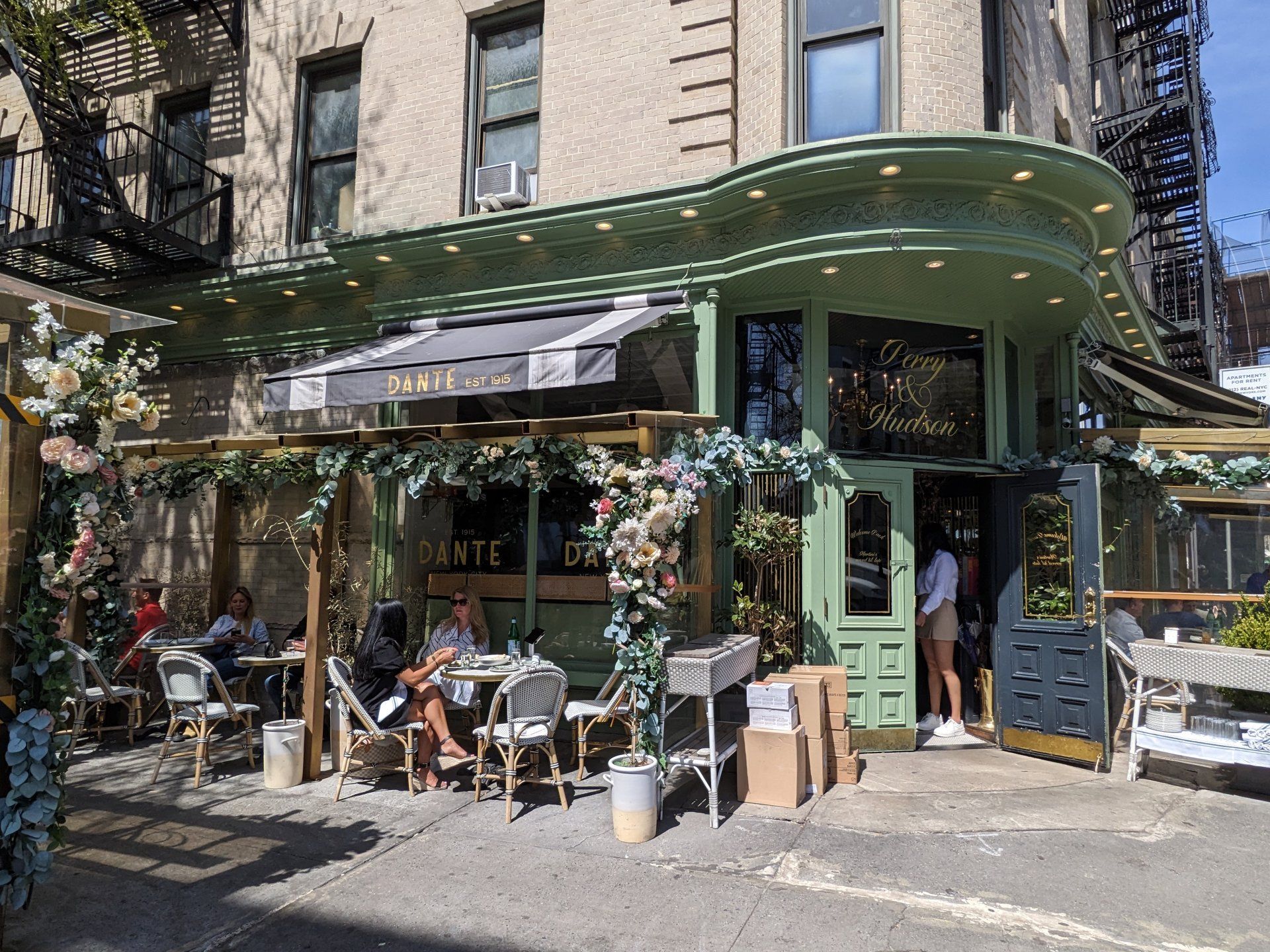
The West Village is one of New York City's most celebrated dining destinations, with an extraordinary concentration of restaurants, wine bars, and cafés tucked along its famously crooked, tree-lined streets. The neighborhood's irregular grid — a holdover from its pre-planned colonial past — creates an intimate, almost European atmosphere that makes wandering from block to block a pleasure in itself. Hudson Street, Bleecker Street, and the surrounding side streets are lined with everything from cozy French bistros to acclaimed farm-to-table spots, drawing both locals and visitors who come specifically to eat and linger. The bar and cocktail scene is equally strong, with intimate wine bars and storied taverns that have anchored the neighborhood for decades.
Arts & Culture
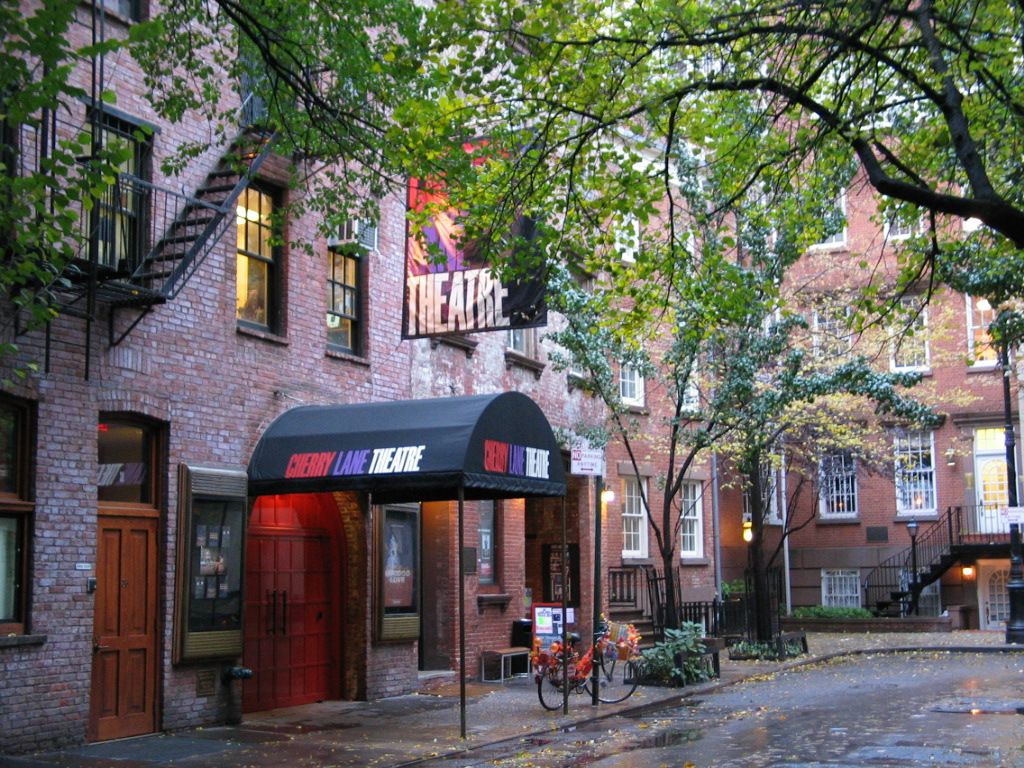
The West Village punches well above its weight culturally. Cherry Lane Theatre on Commerce Street — New York City's oldest continuously running Off-Broadway theater, operating since 1924 — remains an essential destination for adventurous theatergoers. The Westbeth Artists Community, housed in the landmarked former Bell Telephone Labs complex, continues to support working artists in the neighborhood's long bohemian tradition. The Stonewall Inn on Christopher Street, a designated National Historic Landmark and National Monument, stands as one of the most significant cultural sites in American history — the flashpoint of the 1969 uprising that launched the modern LGBTQ rights movement. Every June, the neighborhood comes alive for Pride Month, with Christopher Street at the heart of the celebrations.
Outdoor Recreation
The Hudson River Greenway runs along the neighborhood's western edge, offering miles of car-free cycling and jogging paths with sweeping views of the river and the New Jersey Palisades. Hudson River Park, just steps from the residential blocks where west village apartments for rent nyc command some of Manhattan's highest rents, provides piers for kayaking, open lawns, and waterfront recreation year-round. Abingdon Square Park, a small but beloved neighborhood green space at the northern end of Hudson Street, hosts a popular Greenmarket on Saturdays.
Shopping & Seasonal Events
Bleecker Street and its surrounding blocks offer a distinctive mix of independent boutiques, vintage shops, and specialty food purveyors that resist the homogeneity found in other parts of Manhattan. Every October, the neighborhood anchors the world-famous Greenwich Village Halloween Parade — the largest Halloween parade on earth — drawing hundreds of thousands of spectators and participants to Sixth Avenue and the surrounding streets in an annual spectacle that perfectly captures the West Village's irreverent, creative spirit.
Latest Properties in West Village
Loading latest properties...
History
From Dutch Farmland to Manhattan's Most Coveted Address
The land that became the West Village was first inhabited by the Lenape people, who maintained a settlement called Sapokanikan along the Hudson River's edge. Dutch colonization arrived in earnest in 1629, when Wouter van Twiller secured a tobacco plantation grant in the Greenwich area — one of the earliest European agricultural footholds on Manhattan Island. The English took control in 1664, and by 1713 the area was recorded as "Grin'wich," a rural hamlet of scattered farms and modest estates well removed from the city's fortified core.
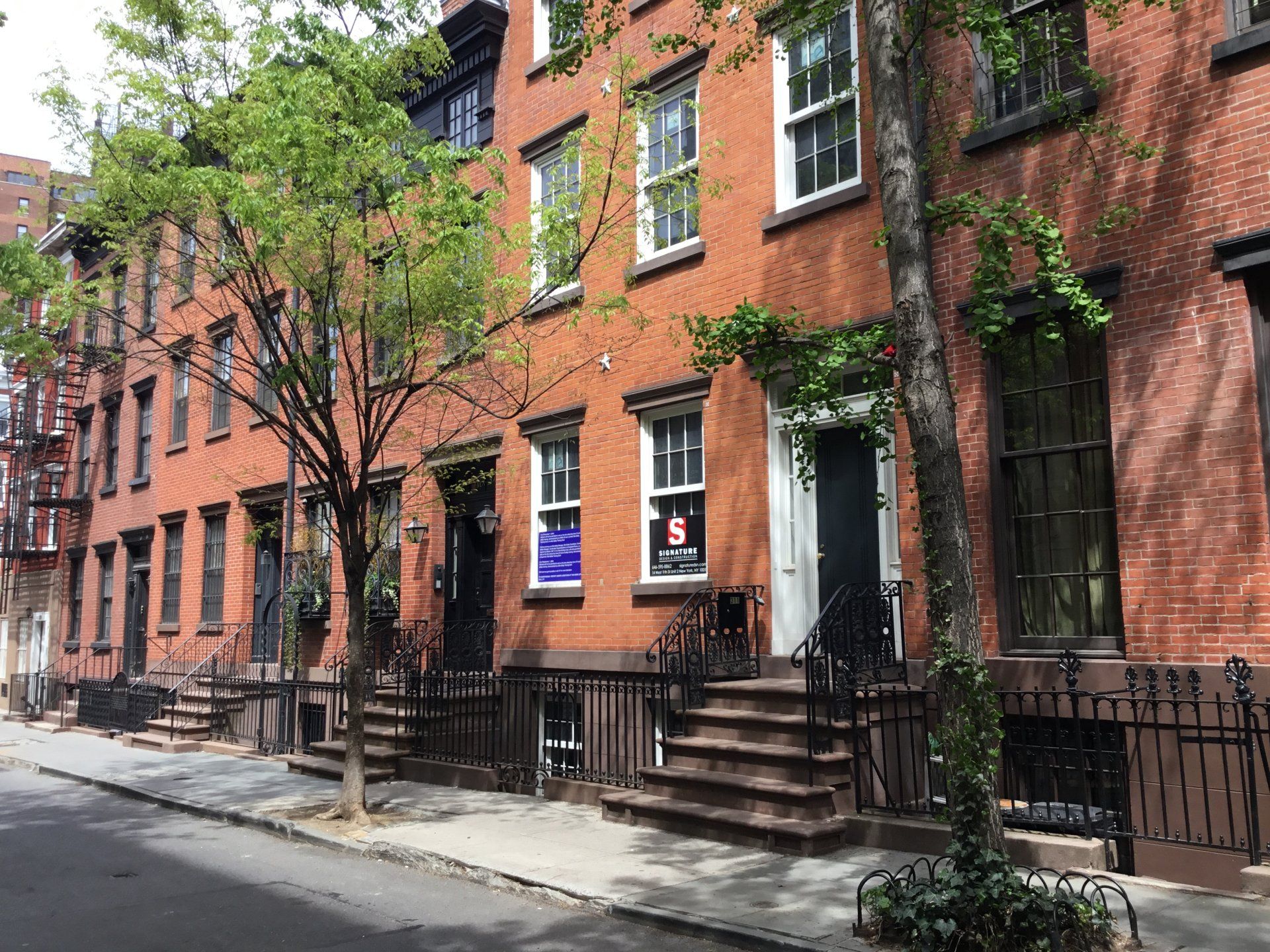
The neighborhood's modern character began taking shape in the early 19th century. Yellow fever epidemics — particularly the devastating outbreak of 1822 — drove affluent New Yorkers northward from lower Manhattan, triggering a population surge in Greenwich Village between 1825 and 1840. The opening of the Erie Canal that same year transformed the Hudson River into a commercial artery, spurring the construction of piers, warehouses, and Federal- and Greek Revival-style row houses. Crucially, this development predated the 1811 Commissioners' Plan, which is why streets like Charles and Weehawken wind at angles that defy the rest of Manhattan's grid — a quirk that defines the neighborhood's charm today.
By the early 20th century, the West Village had evolved into a bohemian enclave — home to writers like Jack Kerouac and Bob Dylan — and earned the nickname "Little Bohemia" as early as 1916. Then came June 28, 1969, when a police raid on the Stonewall Inn at 53 Christopher Street ignited the modern gay rights movement, cementing the neighborhood's place in history. Preservationists formalized the area's architectural legacy with the Greenwich Village Historic District designation in 1969, and subsequent protections through the 2000s locked in the low-rise, landmarked streetscapes that make west village ny apartments for rent among the most sought-after — and expensive — in the country today.
Weather
Four Seasons in the West Village
The West Village sits within a humid subtropical climate zone — the classification that applies to New York City as a whole — though its position along the Hudson River waterfront gives it a subtly moderating coastal influence that sets it apart from inland neighborhoods. Summers are warm and humid, with daytime highs typically reaching the mid-to-upper 80s°F and overnight lows settling in the upper 60s to low 70s°F. July and August bring the most oppressive heat, when the urban heat island effect can push feels-like temperatures well above 90°F. Winters are cold but rarely brutal by northeastern standards, with average highs in the low-to-mid 40s°F and lows dipping into the upper 20s°F. Significant snowfall is possible from December through March, though accumulations tend to melt quickly in the dense urban environment.
Precipitation is distributed fairly evenly across all four seasons, averaging roughly 46 to 50 inches annually, with no pronounced dry season. Nor'easters are the most consequential storm events, capable of delivering heavy snow or coastal flooding along the Hudson-facing blocks. Spring and fall are genuinely pleasant — mild temperatures, lower humidity, and the neighborhood's tree-lined streets at their most picturesque.
For those exploring west village apartments for rent nyc, these climate patterns carry real practical weight. Older brownstones and townhouses — the architectural backbone of the neighborhood — can be drafty in winter, making heating costs a meaningful budget consideration. Summer cooling in pre-war buildings without central air adds another layer of expense. Outdoor living is a genuine seasonal reward, however, with the Hudson River Park esplanade offering waterfront recreation from April through October and the neighborhood's stoops and garden spaces coming alive each spring.
West Village Market Analytics
Can I Afford West Village?
Weather