
William Paterson University of New Jersey, New Jersey

Location:
William Paterson University of New Jersey, NJ

Welcome to William Paterson University of New Jersey

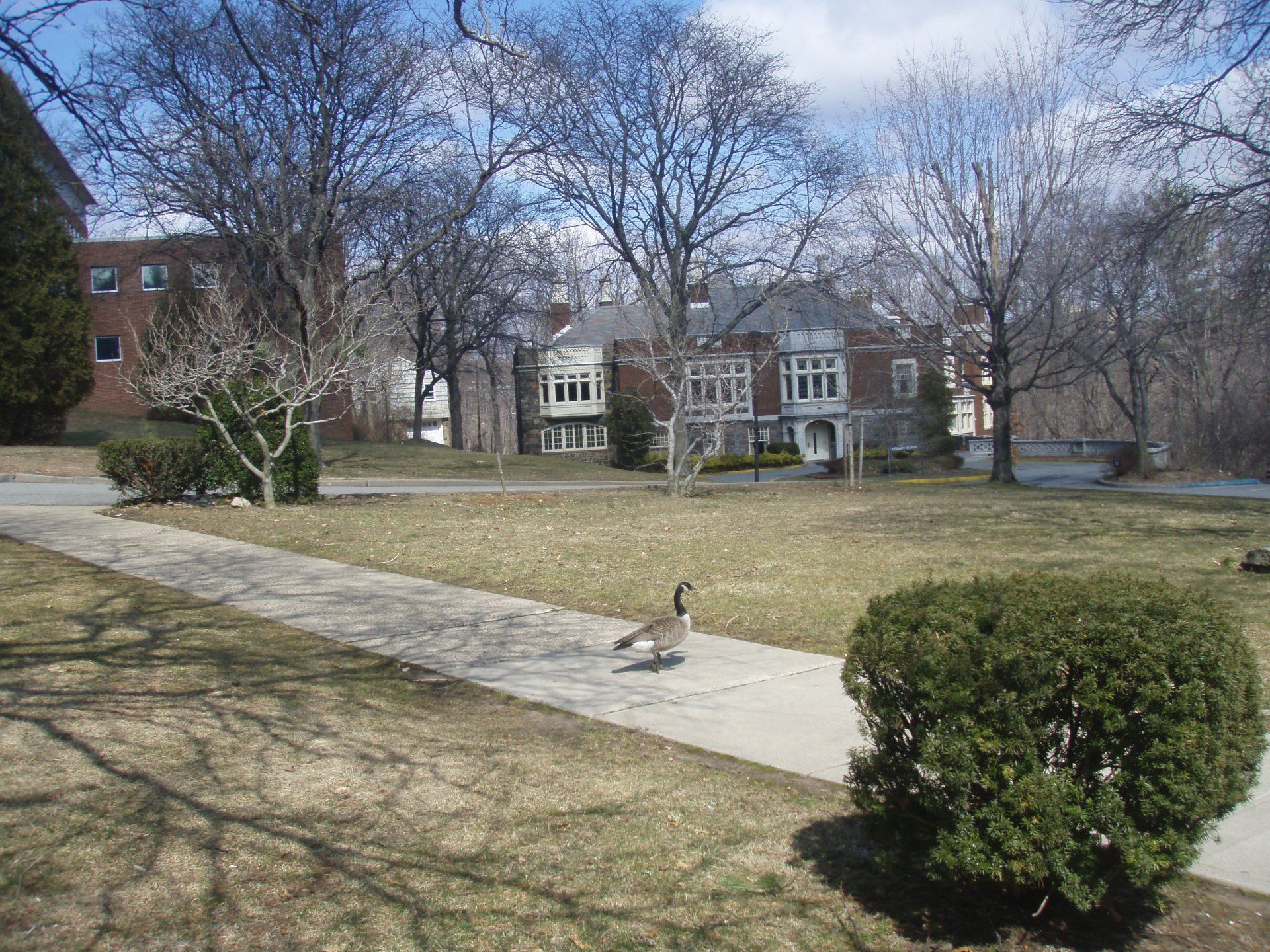
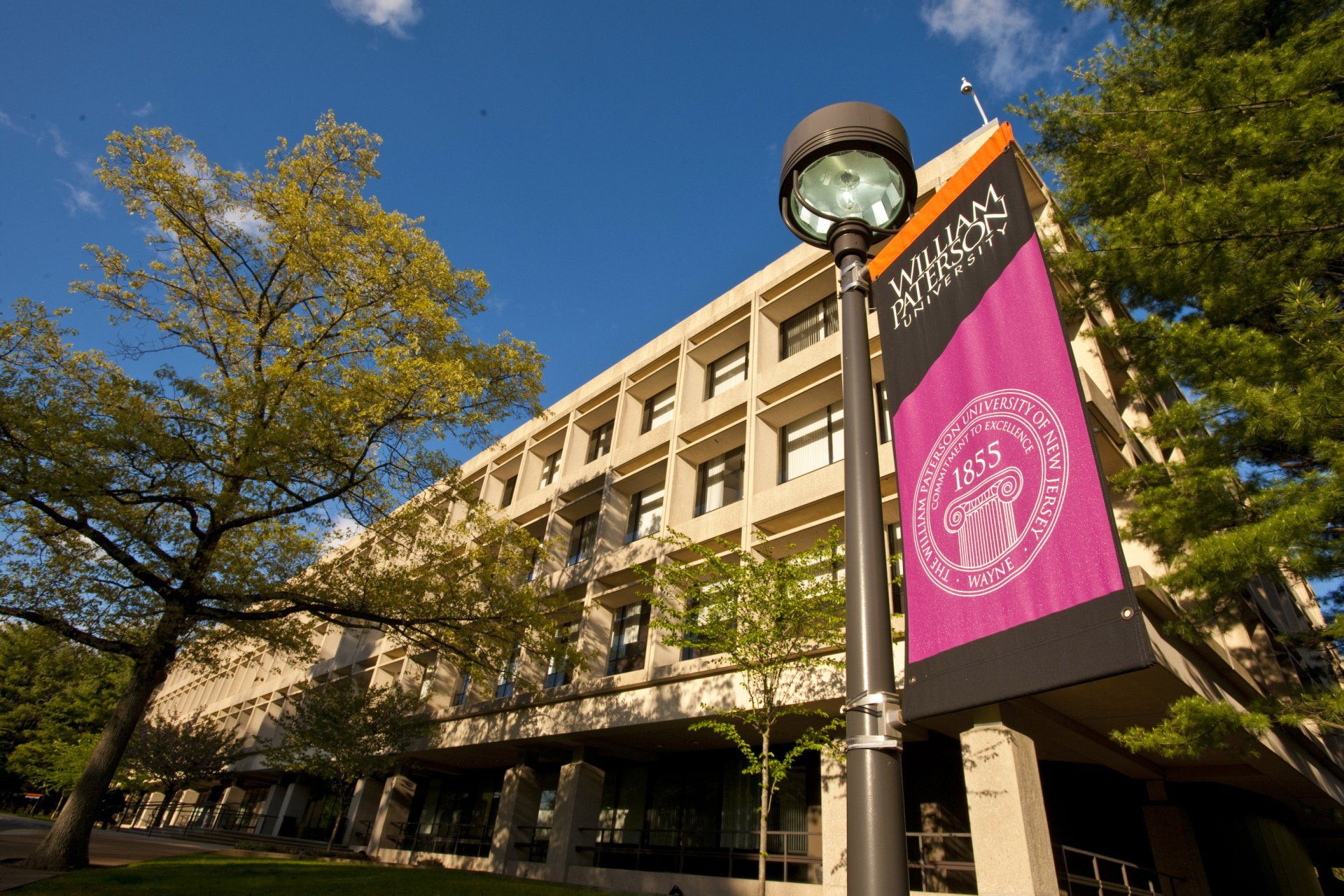
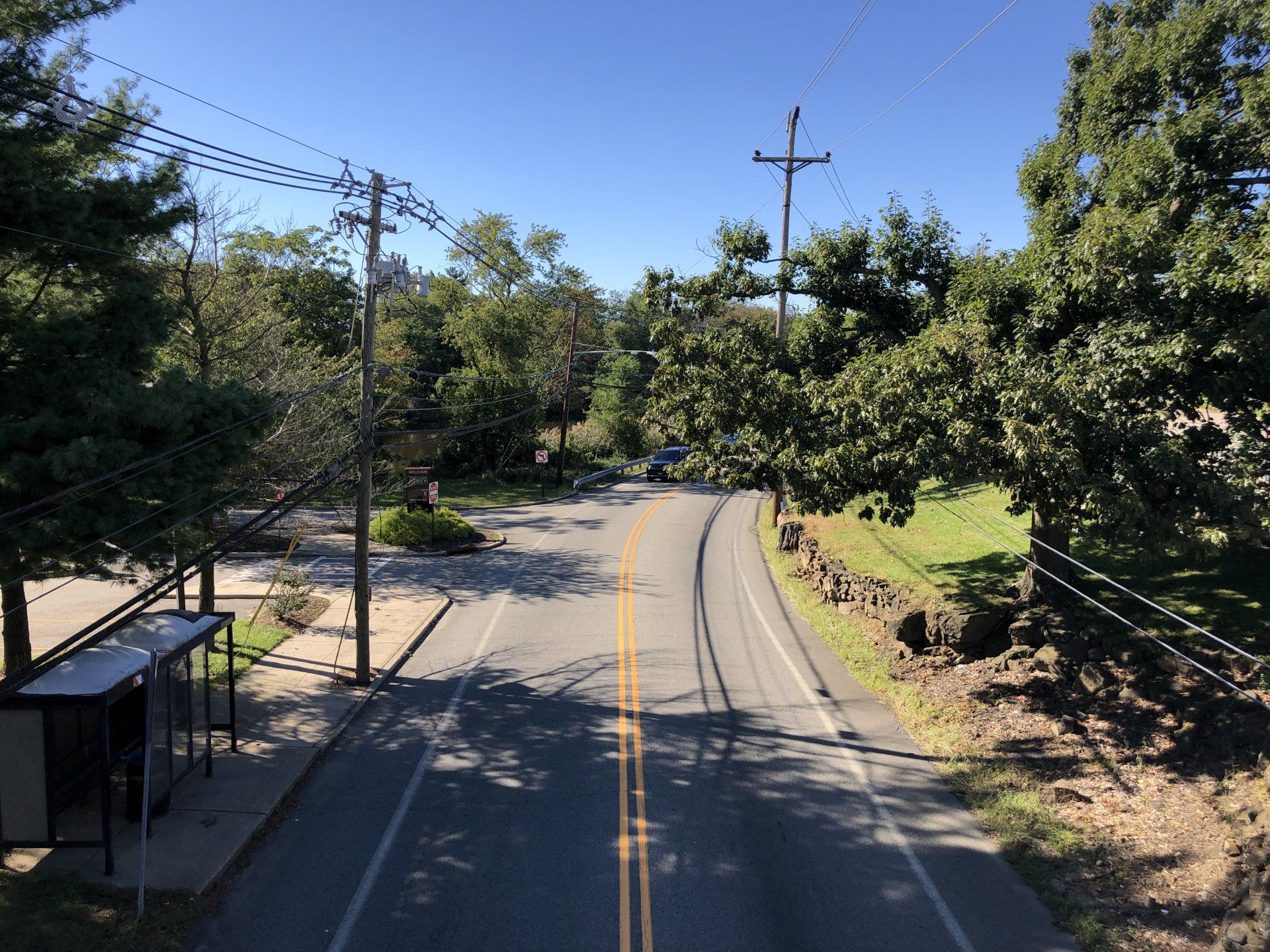
Founded in 1855 as the Paterson City Normal School, William Paterson University of New Jersey sits on a sweeping 370-acre wooded campus in Wayne, Passaic County — making it the third-oldest public institution of higher education in the state. The campus borders High Mountain Preserve, nearly 1,200 acres of protected wetlands and woodlands that give this corner of northern New Jersey a distinctly open, natural character uncommon in the densely developed suburbs that surround it.

What sets this location apart from neighboring communities like Clifton or Totowa is the rare combination of green space, academic energy, and regional connectivity. New York City sits just 20 miles to the east, the Meadowlands Sports Complex is a half-hour drive away, and the historic Great Falls of Paterson — a national landmark — is only three miles west. The campus itself anchors a compact residential area of roughly 1,400 residents, creating a close-knit environment shaped by the rhythms of university life.

For home buyers and investors, the presence of a nationally accredited university with over 9,000 students generates steady demand for housing, walkable amenities, and long-term neighborhood stability. As William Paterson continues to expand its academic programs and facilities, the surrounding area offers a compelling opportunity to invest in a location with both institutional roots and genuine momentum.


Community Profile

Defined entirely by the rhythms of academic life, this census-designated community sits on the campus of William Paterson University in Wayne, Passaic County — and its demographics reflect that identity in every measurable way. With a median age of just 19.9 years, the population skews dramatically younger than the national median of 38.5, as nearly all of its 1,133 residents are students living on campus. That concentration of youth translates into one of the most highly educated residential profiles anywhere in the country: an extraordinary 81.1% hold a bachelor's degree or higher, more than double the national rate of 33%, and a remarkable 62.2% have earned a graduate degree. The intellectual energy runs deep, with 60% of degree holders specializing in STEM fields — a pipeline of talent feeding directly into the greater New York metro economy.

The community is strikingly diverse, with White residents comprising 47.8% of the population alongside significant Black (28.7%), Hispanic/Latino (18.6%), and Asian (11.7%) communities — a mosaic that mirrors the inclusive character of modern New Jersey. The uninsured rate of just 3.3% speaks to strong institutional health coverage, and an average commute of only 16.2 minutes underscores the self-contained convenience of campus living. For prospective homebuyers, the surrounding Wayne neighborhood offers a stable, well-resourced community enriched by the cultural programming, arts, and intellectual vitality that a major university brings to its doorstep.

Things to Do

Outdoor Recreation

The campus itself is one of the most scenic starting points for outdoor exploration in Passaic County. William Paterson's 370-acre wooded, hilly grounds border directly on High Mountain Preserve, a sprawling natural area covering nearly 1,200 acres of wetlands, woodlands, and trails. Hikers and trail runners can access the preserve easily from campus, enjoying elevated views of the surrounding region across all four seasons. Just three miles east, the Great Falls of the Passaic River in Paterson — a National Historical Park — offers a dramatic natural landmark and a fascinating glimpse into America's early industrial heritage.

Arts & Culture

WP's campus is genuinely rich in cultural offerings. The University Galleries at the Ben Shahn Center for the Visual Arts presents rotating exhibitions of contemporary art and is open to the broader community. The university's celebrated jazz program regularly hosts performances that draw serious music enthusiasts from across northern New Jersey. Hobart Manor, a castle-style historic landmark built in 1877 and once the retreat of Vice President Garret Hobart, is a remarkable piece of living history right on campus. Designated a national and state landmark in 1976, it's well worth a visit for architecture and history lovers alike.

Sports & Campus Activities

WP's Pioneer athletic teams compete in NCAA Division III through the New Jersey Athletic Conference, and home games at Wightman Field are a fun, accessible way to catch live collegiate sports in a relaxed atmosphere. The campus also hosts a variety of student-organized events, performances, and seasonal festivals throughout the academic year, giving the surrounding community plenty of reasons to visit.

Dining & Shopping

Wayne's commercial corridors along Hamburg Turnpike and Route 46 place a wide range of dining options, major retailers, and everyday conveniences within just minutes of campus. The Willowbrook Mall, one of Passaic County's largest shopping destinations, is a short drive away and offers everything from anchor department stores to casual dining. And of course, New York City — just 20 miles east — remains an easy day trip for world-class museums, theater, and cuisine.

Latest Properties in William Paterson University of New Jersey

Loading...

Loading latest properties...

See All Properties in William Paterson University of New Jersey

History

William Paterson University's roots stretch back to 1855, when it was established as the Paterson City Normal School — a modest institution with a singular mission: training teachers for New Jersey's public schools. For nearly a century, that mission remained unchanged, and the school cycled through several names as its administrative identity evolved, from the New Jersey State Normal School at Paterson to the New Jersey State Teacher's College at Paterson.

The university's most consequential transformation came in 1951, when it relocated from the city of Paterson to its current 370-acre campus in Wayne, New Jersey — a site with its own storied past. The land was originally known as Ailsa Farms, purchased by the State of New Jersey in 1948 from the family of Garret Hobart, the 24th Vice President of the United States. The estate's centerpiece, a castle-style manor house built in 1877 by Scottish wool merchant John McCullough, still stands today as Hobart Manor, a national and state landmark since 1976.

In 1971, the institution was renamed William Paterson College of New Jersey, honoring the statesman who served as New Jersey's first senator, second governor, and a U.S. Supreme Court Justice. Full university status followed in 1997. Today, with roughly 9,400 students, the university anchors a desirable stretch of suburban Wayne — approximately 20 miles west of Manhattan — where its wooded, hilly campus borders the High Mountain Preserve. The university's long-standing presence has shaped surrounding residential demand, drawing faculty, staff, and students into Wayne's established neighborhoods of single-family homes and tree-lined streets that reflect the area's postwar suburban buildout.

Weather

William Paterson University of New Jersey, situated on a hilly, wooded campus in Wayne, experiences a humid continental climate — a defining characteristic of northern New Jersey's inland geography. Unlike coastal communities just an hour away, Wayne sits far enough from the Atlantic to feel the full swing of the seasons, with genuine cold winters and warm, humid summers.

Summer temperatures typically climb into the mid-to-upper 80s°F, with overnight lows settling in the upper 60s. Humidity can make July and August feel noticeably warmer than the thermometer suggests. Winters are cold and snowy, with daytime highs often in the low-to-mid 30s°F and lows that regularly dip into the teens and 20s. Snowfall is a reliable seasonal presence, and the campus's hilly terrain — bordering the High Mountain Preserve — can intensify localized accumulation.

Precipitation is fairly well distributed throughout the year, averaging around 46–48 inches annually, with no pronounced dry season. Spring and fall are particularly pleasant, offering mild temperatures and vivid foliage across the wooded surroundings.

For real estate purposes, the climate has meaningful implications. Heating costs are a significant budget consideration for winter months, while central air conditioning is essentially a necessity for summer comfort. Homeowners should also plan for seasonal maintenance — roof inspections, gutter clearing, and weatherproofing — given the combination of snow loads, freeze-thaw cycles, and spring rainfall that characterize this part of New Jersey.

William Paterson University of New Jersey Market Analytics

Market analytics data coming soon.
Can I Afford William Paterson University of New Jersey?
$
%
$0
Est. Monthly Payment
$0/yr
Salary Required

*Principal & interest only. Salary based on 28% debt-to-income ratio.

Get Pre-Approved for William Paterson University of New Jersey