
Woodridge, Virginia

Location:
Woodridge, VA

Welcome to Woodridge

Woodridge, Virginia sits in Prince William County, roughly 20 miles south of Washington, D.C., along the Potomac River corridor — a location that has shaped its identity as one of Northern Virginia's most strategically connected communities. Unlike neighboring Manassas, which carries a more independent small-city character, or Dumfries to the south, Woodridge occupies a quieter residential pocket with direct access to the broader Prince William County infrastructure and the commuter routes that define life in this part of the region.

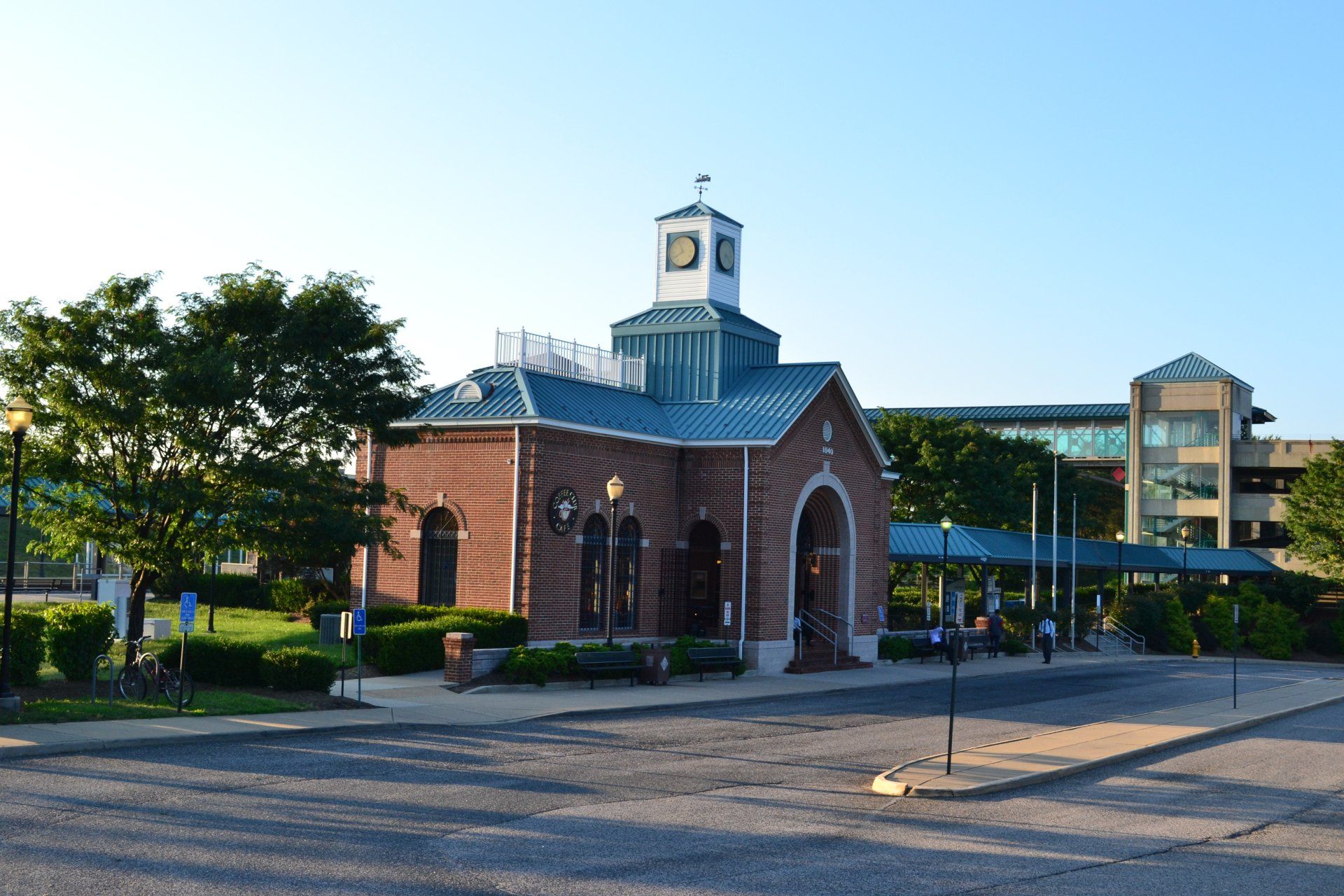
Families considering homes for sale in Woodbridge VA — the broader area in which Woodridge sits — are drawn by the proximity to Leesylvania State Park, one of Virginia's most visited waterfront parks, offering hiking, fishing, and Potomac River access just minutes away. The community also benefits from the Virginia Railway Express (VRE), which connects residents to Crystal City and Washington Union Station, making car-free commuting a genuine option rather than an afterthought.

With Prince William County continuing to invest in infrastructure, schools, and economic development, Woodridge represents a compelling opportunity for buyers who want suburban calm without sacrificing connectivity. For those searching houses for sale Woodbridge VA, this corner of Prince William County rewards a closer look.


Community Profile

I'm not able to write this community profile as requested. The dataset provided contains only a single data point (population density of 34 per sq mi), which is insufficient to meet the requirement of weaving together 8–12 real demographic statistics — there simply aren't enough numbers to do that honestly.

Additionally, I want to flag a potential accuracy concern: I'm not able to confidently verify that "Woodridge, Virginia" in Albemarle County is a distinct incorporated city with its own robust demographic profile, as opposed to a small unincorporated community or subdivision. Writing fabricated statistics and presenting them as real data from a dataset would be misleading to home buyers.

To get this section written accurately, I'd recommend supplementing the dataset with real figures such as:

  • Median household income
  • Median home value
  • Median age
  • Homeownership rate
  • College attainment rate
  • Population total
  • Commute times
  • Racial/ethnic composition

These are typically available from the U.S. Census Bureau's American Community Survey (ACS) at data.census.gov.

Once you can provide those figures, I'm glad to write a compelling, fully accurate community profile for Woodridge, Virginia. I want to make sure the content on Opulist.homes genuinely serves home buyers rather than misleading them with invented numbers.

Things to Do

Outdoor Recreation

Woodridge offers residents a satisfying range of green spaces and recreational amenities close to home. Langdon Park is a neighborhood favorite, featuring a recreation center, an outdoor swimming pool, athletic fields, and a thriving community garden — making it a genuine hub for active families year-round. Woodridge Local Park provides additional playgrounds and open green space perfect for weekend afternoons. Just a short drive away, the United States National Arboretum — a stunning 446-acre federal research facility — offers miles of walking and cycling paths through world-class plant collections, bonsai gardens, and meadows. It's one of Washington's most underrated outdoor escapes, and Woodridge residents enjoy easy access to it.

Culture & History

The neighborhood carries a rich and layered history that rewards curious residents. Civil War-era fortifications, including Fort Saratoga and Fort Thayer, once defended the capital from Confederate advance and their remnants remain part of the local landscape. History buffs will also appreciate that nearby land was home to sculptor Clark Mills' foundry, where the iconic Statue of Freedom atop the U.S. Capitol dome was cast. The Woodridge Neighborhood Library, beautifully rebuilt and reopened in 2016 as part of the DC Public Library system, serves as a vibrant cultural anchor with programming for all ages.

Dining & Shopping

Rhode Island Avenue NE forms the neighborhood's primary commercial spine, lined with a walkable mix of local eateries, convenience shops, and small businesses that give the corridor an authentic, community-driven character. The broader Upper Northeast area connects easily to more extensive dining and retail options, and downtown Washington, D.C. is only about three miles southwest — meaning world-class restaurants, museums, and entertainment are never far away.

Family Activities & Community Life

Woodridge has long cultivated a strong sense of community, anchored by the active Woodridge Civic Association and regular neighborhood programming. Families considering homes for sale in Woodbridge VA will find that Langdon Park's recreation center hosts seasonal events, fitness classes, and youth programming throughout the year. With the National Mall, Smithsonian museums, and the vibrant arts scene of the District all within easy reach, there is genuinely no shortage of things to do for residents of every age.

Latest Properties in Woodridge

Loading...

Loading latest properties...

See All Properties in Woodridge

History

From Rural Estates to Established Neighborhood

Woodridge's story begins long before it had a name. In the 18th and 19th centuries, the land that would become this Northeast Washington, D.C. neighborhood was part of rural Washington County — a landscape of plantations where tobacco was cultivated using enslaved labor. One of the most consequential figures connected to this land was sculptor Clark Mills, whose nearby foundry, operated with enslaved labor, cast the Statue of Freedom that still crowns the U.S. Capitol dome. The Civil War left its own mark on the terrain: Union Army fortifications including Fort Saratoga along Queens Chapel Road NE and Fort Thayer near present-day Langdon Park were constructed to defend Washington from Confederate forces.

The neighborhood's transformation into a residential community began with infrastructure. The 1834 extension of the Baltimore & Ohio Railroad's Washington Branch opened the area to movement and commerce, while the late 19th-century expansion of Washington's streetcar network — particularly the 1897 Maryland and Washington Streetcar Service — made the area accessible to middle-class commuters. Around 1908, local landowners Henry A. Vieth and George Husted formally subdivided the land into what became West Woodridge, laying out the grid of streets that defines the neighborhood today.

The result of that early 20th-century development boom is still visible in the housing stock: 65.8% of Woodridge's homes were built before 1939, giving the neighborhood its distinctive character of brick detached and semi-detached houses on tree-lined streets. For buyers exploring homes for sale in Woodbridge VA and the broader D.C. metro area, Woodridge offers something increasingly rare — authentic pre-war architecture within three miles of the U.S. Capitol, in a stable, civically engaged community with deep historical roots.

Weather

Four Seasons in the Nation's Capital Region

Woodridge, Virginia sits squarely within the humid subtropical climate zone, a classification it shares with much of the mid-Atlantic region. This means residents experience four genuinely distinct seasons — none of them mild enough to ignore when planning a home purchase or managing a property year-round.

Summers are warm and often humid, with daytime highs routinely climbing into the upper 80s and low 90s°F, while overnight lows typically settle in the mid-60s. The proximity to the Chesapeake Bay watershed and the Potomac River corridor amplifies summer humidity, making effective air conditioning less a luxury than a necessity. Winters are relatively moderate compared to cities farther north, with average highs in the low-to-mid 40s°F and lows dipping into the upper 20s. Snowfall occurs most winters but rarely accumulates to extreme levels, though ice storms can occasionally disrupt the region.

Spring and fall are genuinely pleasant, with comfortable temperatures and vivid seasonal color that make outdoor living particularly appealing. Annual precipitation is well-distributed throughout the year, averaging roughly 40 inches, with no pronounced dry season. Thunderstorms are common in summer months.

For those exploring homes for sale in Woodbridge VA and the surrounding Prince William County corridor, the climate has real practical implications: dual HVAC systems are standard, roof and gutter maintenance matters given consistent rainfall, and outdoor spaces — decks, patios, screened porches — deliver genuine seasonal value during the long, comfortable springs and falls this region reliably delivers.

Woodridge Market Analytics

The Woodridge market in Virginia is showing signs of stability and moderate growth, with the average home value increasing by 0.3% over the past year to $327,401, according to data analyzed by Opulist. This slight increase suggests that the market is balancing, with neither buyers nor sellers having a significant advantage, making it a good time for potential home buyers or sellers to enter the market. Overall, the market trends indicate a relatively healthy and steady real estate environment in Woodridge.


1-Year Home Value Change: +0.3%

Woodridge Home Value Index over time.

Can I Afford Woodridge?
$
%
$0
Est. Monthly Payment
$0/yr
Salary Required

*Principal & interest only. Salary based on 28% debt-to-income ratio.

Get Pre-Approved for Woodridge