
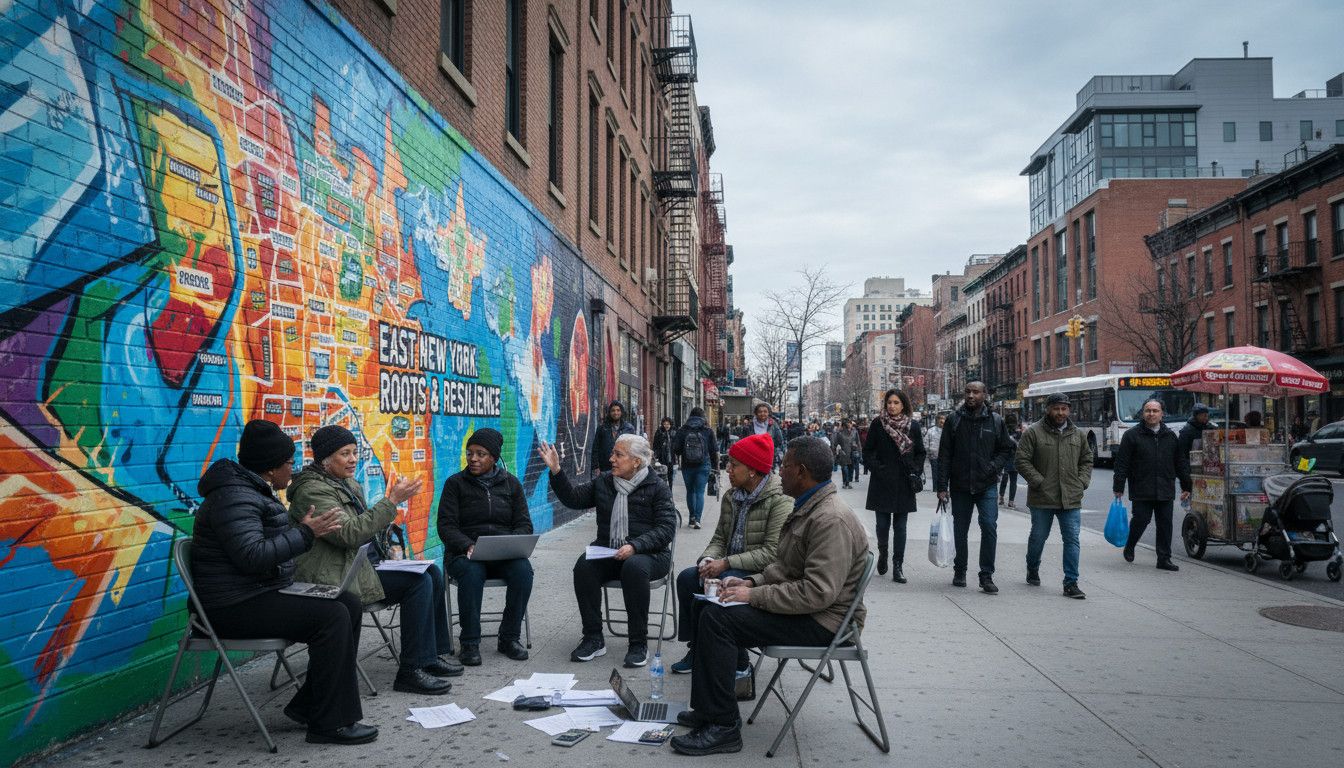
How East New York Homeowners Built a Hidden Retirement Asset
As a long-time homeowner in East New York, you've likely seen your neighborhood undergo significant transformations over the years. One of the most notable changes is the substantial increase in home values. According to recent data, the median home value in many East New York blocks has exceeded $600,000, with some areas reaching as high as $650,000. If you purchased your home in the 1990s for under $100,000, you may be sitting on over half a million dollars in accessible equity. This hidden asset can be a game-changer for your retirement plans.
For instance, if you own a home in Brooklyn, NY, you can take advantage of the growing demand for housing in the area. The home equity Brooklyn seniors have accumulated can be used to fund their retirement, allowing them to live comfortably without having to rely on Social Security alone.
What a Reverse Mortgage Actually Does — and Doesn't Do
A reverse mortgage is a type of loan that allows homeowners to borrow money using the equity in their home as collateral. It's designed for homeowners 62 and older, and it can provide a steady stream of income without requiring monthly mortgage payments. One of the biggest misconceptions about reverse mortgages is that they're only for those who are struggling financially. However, they can be a smart retirement planning tool for anyone looking to unlock their home's equity.
With a reverse mortgage, you can unlock home equity Brooklyn and use it to supplement your retirement income. You can choose to receive the funds as a lump sum, a line of credit, or a monthly payment. The loan is repaid when you sell your home, and any remaining balance is forgiven.
Who Qualifies for a Reverse Mortgage in New York City
To qualify for a reverse mortgage in New York City, you must be at least 62 years old, own your home outright or have a low balance on your mortgage, and occupy the home as your primary residence. You'll also need to undergo mandatory counseling to ensure you understand the terms and conditions of the loan.
It's essential to note that reverse mortgage New York City has specific rules and regulations. For example, if you own a co-op, you may not be eligible for a reverse mortgage. However, if you own a single-family home or a condo, you can explore this option.
How Brooklyn Seniors Are Using Home Equity to Fund Retirement
Many Brooklyn seniors are using their home equity to fund their retirement. They're using the funds to supplement their Social Security income, cover medical expenses, and even renovate their homes to make them more comfortable and accessible. By unlocking home equity Brooklyn, you can create a more secure and enjoyable retirement.
For instance, you can use the funds from a reverse mortgage to pay for home care services, allowing you to age in place. You can also use the funds to pay off debts, such as credit cards or personal loans, and free up more money in your budget for the things you enjoy.
The New York-Specific Rules You Need to Know
If you're considering a reverse mortgage in New York City, it's essential to understand the local rules and regulations. As mentioned earlier, co-op owners may not be eligible for a reverse mortgage. Additionally, you'll need to undergo mandatory counseling to ensure you understand the terms and conditions of the loan.
It's also important to note that reverse mortgage Brooklyn NY has specific requirements. You'll need to work with a lender that's approved by the Federal Housing Administration (FHA) and has experience with reverse mortgages in New York City.
How to Explore Your Options Without Pressure
If you're interested in learning more about reverse mortgages and how they can help you unlock your home's equity, you can start by exploring your options online. At Opulist, we offer AI-powered tools that allow you to model different equity scenarios and see how a reverse mortgage could work for you. Our licensed advisors are also available to provide personalized guidance and support.
By working with a reputable lender like Opulist, you can feel confident that you're making an informed decision about your home and your retirement. We're committed to helping you unlock home equity Brooklyn and create a more secure and enjoyable retirement. With our expertise and guidance, you can turn your home's hidden asset into a steady stream of income and live the retirement you deserve.