

Norfolk, Virginia

Location:
Norfolk, VA

Welcome to Norfolk

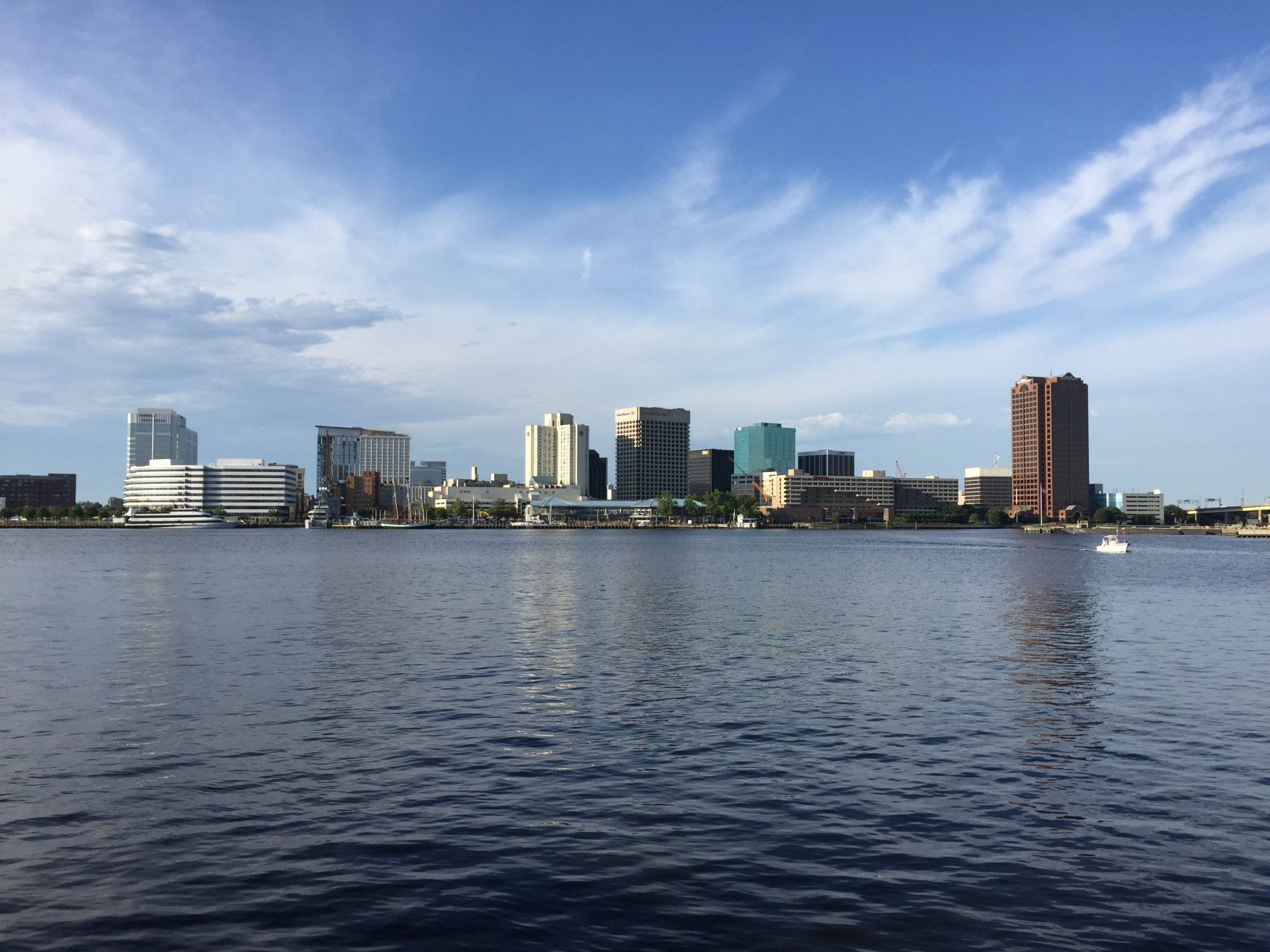
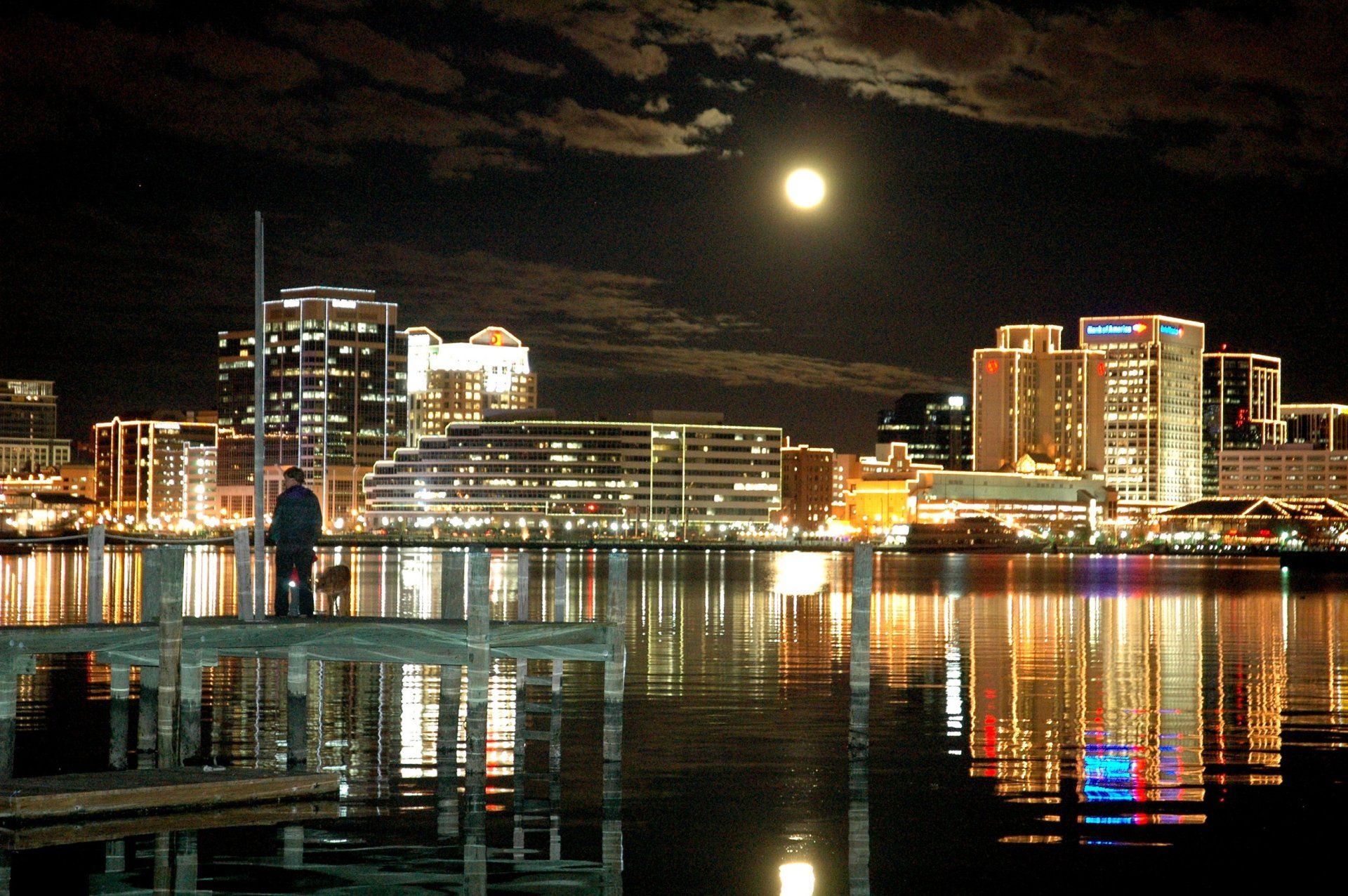
Situated on the southern shore of the Chesapeake Bay and home to Naval Station Norfolk — the largest naval base in the world — Norfolk, Virginia occupies a singular position in American military and maritime history. Incorporated as a city in 1845 and tracing its roots to a colonial port established in the late 17th century, Norfolk stands apart from its Hampton Roads neighbors in ways that go well beyond geography. Unlike the sprawling suburbs of Virginia Beach or the government corridors of Hampton, Norfolk pulses with the energy of a working waterfront city: a dense, walkable urban core, a nationally recognized arts district along the Hague, and a port that handles millions of tons of cargo annually.

The Norfolk Light Rail Transit — known as The Tide — connects key neighborhoods to the medical district and downtown, a transit amenity rare among Virginia cities of comparable size. Families researching homes for sale in Norfolk VA will find the city served by Norfolk Public Schools, alongside a concentration of higher education institutions that includes Old Dominion University and Eastern Virginia Medical School. Town Point Park on the Elizabeth River waterfront anchors a downtown that has seen steady reinvestment over the past decade.

For buyers and investors alike, Norfolk represents a city in active transformation — one where historic character, federal economic anchors, and genuine urban infrastructure converge to create long-term value.


Community Profile

With a median age of just 32.7 years — well below the national figure of 38.5 — Norfolk pulses with youthful energy, shaped in large part by its massive military presence, major universities, and a steady influx of young professionals drawn to the Hampton Roads region. Nearly a third of residents fall between the ages of 20 and 39, creating a dynamic, forward-looking community where starter homes and apartments in Norfolk VA are in constant demand. That vitality is backed by real economic substance: the median household income stands at $66,109, and an impressive 31.4% of households clear six figures annually — a sign of the high-skill workforce anchored here by the world's largest naval station and a robust defense-contracting sector.

The city's intellectual capital is equally striking. 33.5% of residents hold a bachelor's degree or higher — on par with the national average — but what sets Norfolk apart is that 50% of degree holders earned credentials in STEM fields, reflecting the deep ties to military technology, engineering, and healthcare. An average commute of just 23 minutes keeps work-life balance firmly in reach. For buyers exploring homes for sale in Norfolk VA, the median home value of $288,800 — meaningfully below the national median of roughly $330,000 — represents genuine affordability in a coastal city with waterfront character. Add in a richly diverse population where no single group dominates and 14.2% of residents are veterans, and the picture that emerges is of a community that is inclusive, mission-driven, and full of opportunity.

Things to Do

Arts & Culture

Norfolk, Virginia punches well above its weight when it comes to arts and culture. The Chrysler Museum of Art ranks among the finest art museums in the American South, housing an extraordinary glass collection alongside European and American masterworks — and admission is free. Just steps away, the Naro Expanded Cinema on Colley Avenue has been a beloved independent film house for decades, drawing cinephiles from across Hampton Roads. The Harrison Opera House is home to Virginia Opera, while Chrysler Hall hosts Broadway touring productions, symphonies, and major concerts throughout the year.

Outdoor Recreation & Waterfront

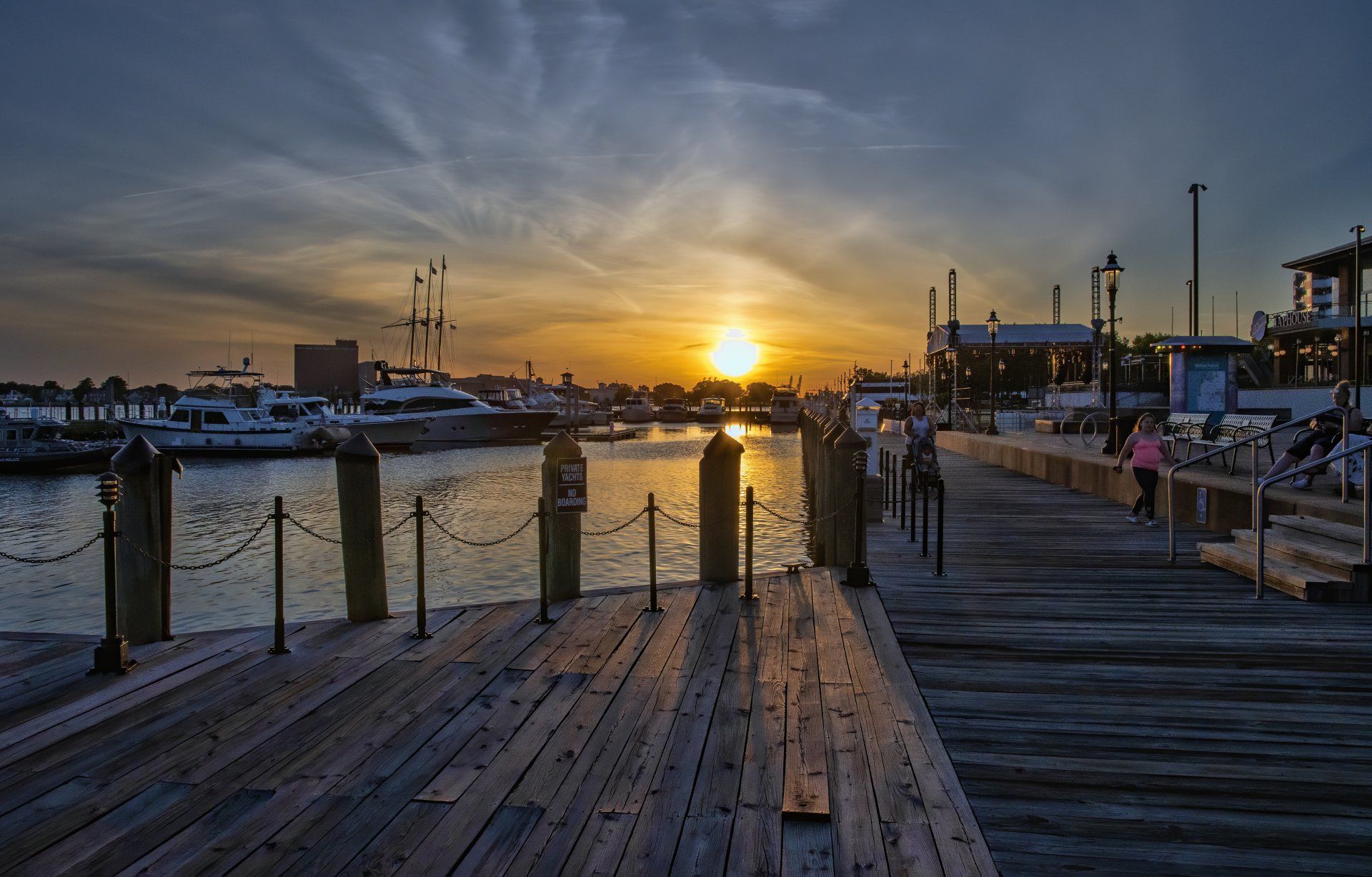
Norfolk's relationship with the water defines its outdoor lifestyle. Town Point Park on the Elizabeth River waterfront is the city's premier outdoor gathering space and hosts Harborfest each June, one of the region's most popular annual festivals featuring tall ships, live music, and fireworks. Ocean View Beach Park offers a more relaxed Chesapeake Bay shoreline experience, perfect for swimming and fishing. For green space inland, Norfolk Botanical Garden spans 175 acres and is especially stunning during its annual azalea season in spring.

Dining & Nightlife

The Ghent neighborhood is Norfolk's culinary and social heart, lined with independent restaurants, wine bars, and coffee shops that give the area a distinctly urban-village feel. The Granby Street corridor downtown adds a livelier nightlife dimension, with craft cocktail bars and live music venues. Norfolk's proximity to the Chesapeake Bay means fresh seafood is a staple — blue crab, oysters, and flounder appear on menus across the city in every imaginable preparation.

Family Activities & Sports

Families are well served by the Virginia Zoo, a 53-acre facility home to more than 700 animals, and the Nauticus maritime museum on the waterfront, where the Battleship Wisconsin — one of the largest battleships ever built — is permanently berthed and open for tours. Minor league baseball fans can catch the Norfolk Tides, the Triple-A affiliate of the Baltimore Orioles, at Harbor Park, one of the most scenic ballparks in the country with views of the Elizabeth River. Those exploring homes for sale in Norfolk VA will find that proximity to these amenities is a genuine quality-of-life advantage that sets the city apart in Hampton Roads.

Latest Properties in Norfolk

Loading...

Loading latest properties...

See All Properties in Norfolk

History

From Colonial Port to Naval Powerhouse

Norfolk, Virginia's history is inseparable from the water that surrounds it. Established in 1682 by an act of the Virginia General Assembly, the town was laid out along the Elizabeth River's eastern branch, and its deep natural harbor made it one of colonial America's most important trading ports. By the mid-18th century, Norfolk had grown into the largest town in Virginia, exporting tobacco, naval stores, and timber to Britain and the Caribbean.

That prosperity came with vulnerability. On January 1, 1776, British naval forces under Lord Dunmore bombarded and largely destroyed the town — one of the most devastating acts of destruction on American soil during the Revolution. Norfolk rebuilt, but the event shaped the city's relationship with the military that endures to this day. The establishment of the Norfolk Naval Station in 1917, now the largest naval installation in the world, cemented the city's identity as a military town and drove waves of residential development throughout the 20th century.

The postwar housing boom of the 1940s and 1950s produced the modest, well-built brick bungalows and Colonial Revival homes that still define neighborhoods like Larchmont, Ghent, and Park Place. Ghent itself had been developed earlier, around the turn of the 20th century, as a streetcar suburb, and its Victorian and Craftsman architecture today makes it among the most sought-after addresses for those browsing homes for sale in Norfolk VA. Downtown's ongoing revitalization, anchored by the Waterside District and continued investment in the arts and medical sectors, reflects a city actively building on a layered, resilient past.

Weather

Norfolk, Virginia Climate Overview

Norfolk, Virginia sits squarely within a humid subtropical climate zone, shaped in large part by its position along the Chesapeake Bay and the Atlantic coast. This coastal geography keeps temperatures more moderate than inland Virginia cities, but it also brings genuine seasonal variety throughout the year.

Summers are warm and humid, with daytime highs typically climbing into the upper 80s to low 90s°F, while overnight lows settle in the mid-60s to low 70s. Winters are mild by mid-Atlantic standards — average highs hover in the low-to-mid 40s°F, with lows dipping into the upper 20s to low 30s. Significant snowfall is relatively rare, though nor'easters can occasionally bring accumulation and coastal flooding.

Annual rainfall averages around 46 inches, distributed fairly evenly across seasons, with late summer bringing the occasional tropical storm or hurricane remnant. The city's low elevation and proximity to tidal waterways make flooding a meaningful consideration — something buyers exploring homes for sale in Norfolk, VA should factor into property research, including flood zone designations and insurance requirements.

The mild winters reduce heavy heating demands, but humid summers drive air conditioning costs higher. Outdoor living is genuinely enjoyable from spring through fall, which adds real appeal to properties with decks, patios, or waterfront access. Year-round coastal humidity also means homeowners should plan for routine maintenance of exterior surfaces, roofing, and moisture management.

Norfolk Market Analytics

The Norfolk real estate market is showing signs of stability and balance, with the average home value increasing by 0.3% over the past year to $302,742, according to data analyzed by Opulist. The market sale-to-list ratio of 1 suggests that homes are selling for close to their listing prices, and the percentage of sales above and below list price is relatively evenly split, with 36.3% of sales above list price and 32% below. This suggests a healthy and competitive market, with opportunities for both buyers and sellers to find fair deals.


1-Year Home Value Change: +0.3%

Norfolk Home Value Index over time.

Can I Afford Norfolk?
$
%
$0
Est. Monthly Payment
$0/yr
Salary Required

*Principal & interest only. Salary based on 28% debt-to-income ratio.

Get Pre-Approved for Norfolk

Neighborhoods in Norfolk

A
B
C
D
E
F
G
H
I
K
L
M
N
O
P
R
S
T
V
W
Y