
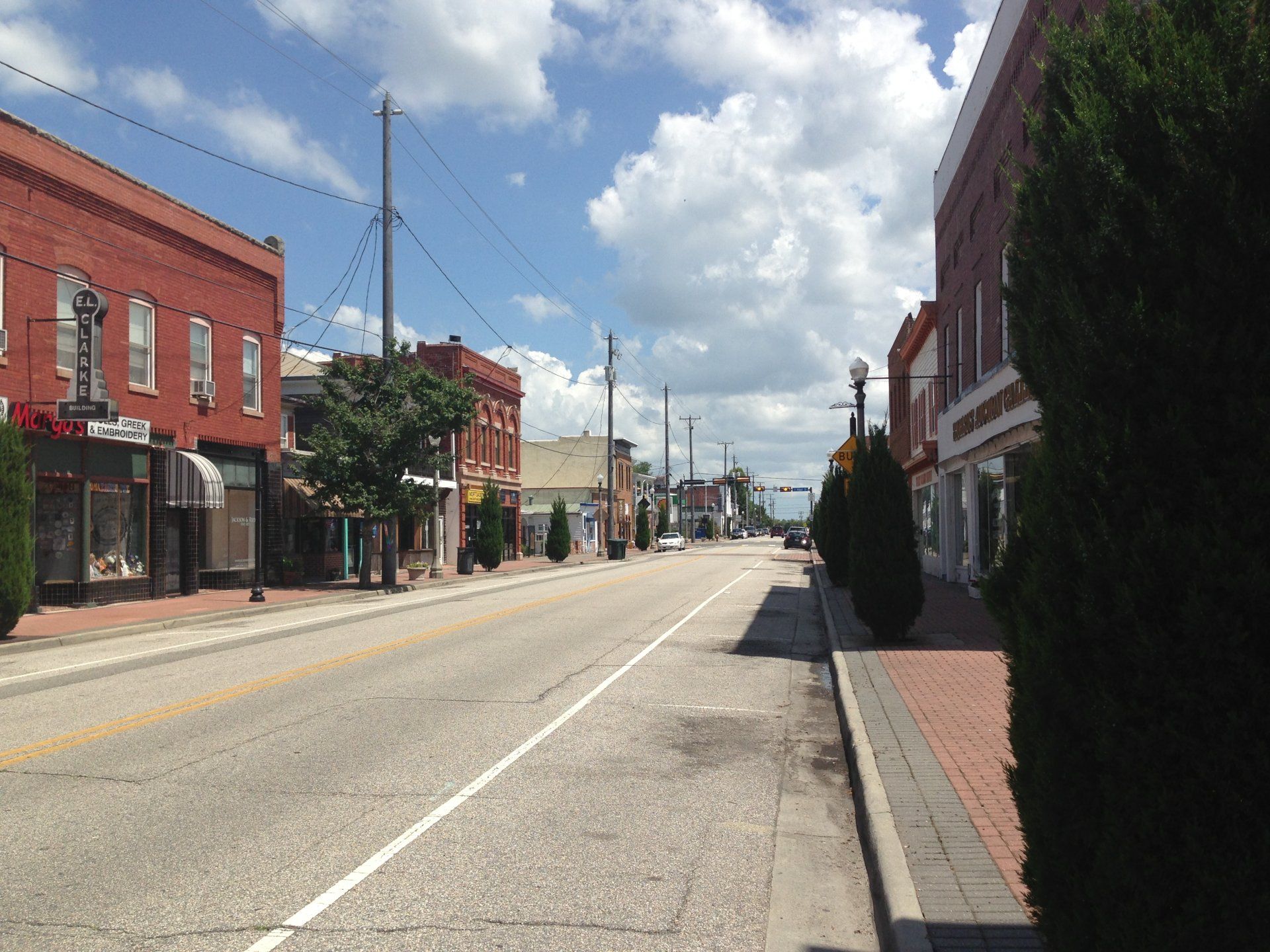
Phoebus carries a history that sets it apart from much of the surrounding Hampton Roads region. Though the neighborhood shares its name with the independent town of Phoebus that was incorporated in Virginia in 1900 and later annexed by the city of Hampton in 1952, the Phoebus area of Norfolk developed its own distinct identity shaped by the region's deep military and maritime heritage. Its proximity to Fort Monroe and the waters of the Chesapeake Bay corridor made it a natural hub for servicemembers, working families, and the businesses that supported them across the early and mid-twentieth century.
Like many older urban neighborhoods in Hampton Roads, Phoebus experienced the familiar arc of postwar suburban flight followed by gradual reinvestment. The neighborhood's older housing stock — modest bungalows, brick row houses, and traditional frame homes — reflects its working-class roots and gives it an architectural character that newer developments simply cannot replicate. That authenticity is a large part of what draws people searching for homes for sale in Phoebus, VA today.
In recent years, renewed interest in walkable, historically rooted communities has brought fresh energy to the area. Residents and investors alike have recognized the neighborhood's bones — its street grid, its scale, its sense of place. Whether you're exploring houses for rent in Phoebus, VA or considering a long-term purchase, you're buying into a community with real history and a resilient, evolving character.