
Salt Lake City, Utah

Location:
Salt Lake City, UT

Welcome to Salt Lake City

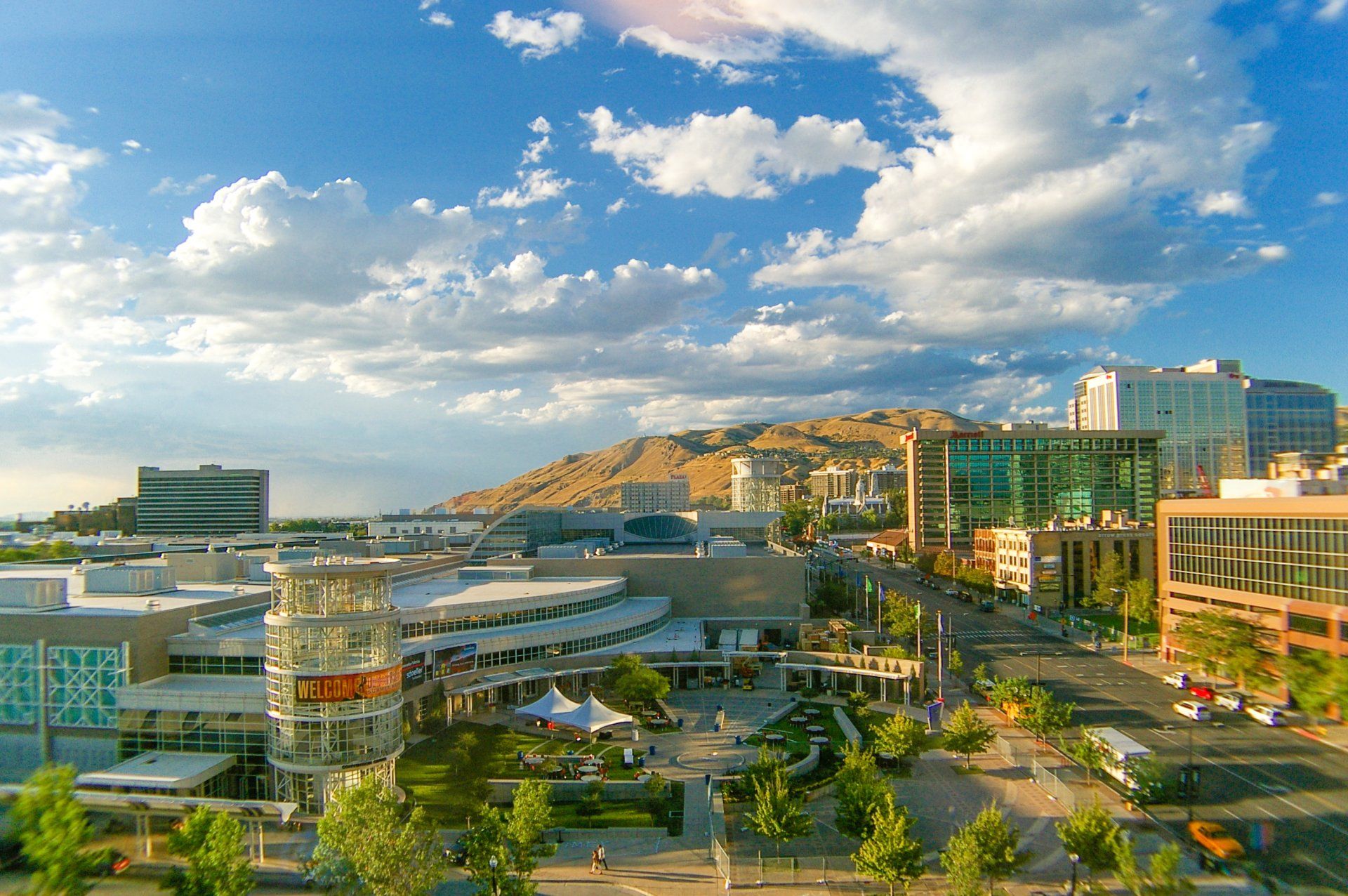
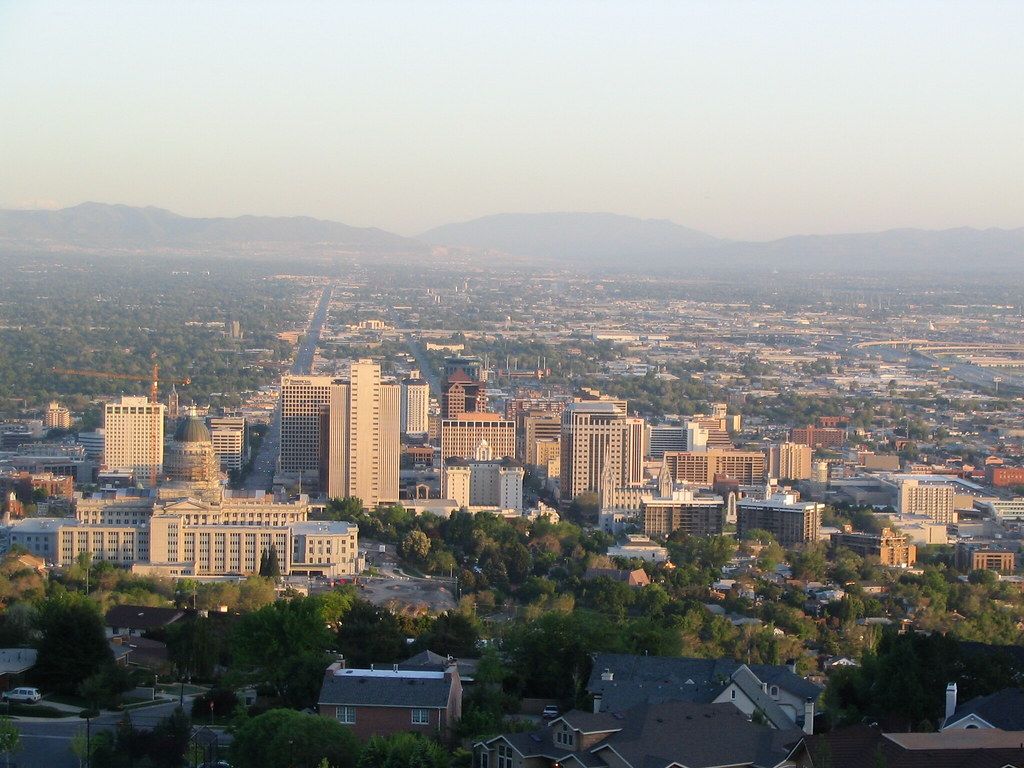
Founded on July 24, 1847, when Brigham Young led 148 Mormon pioneers into the Salt Lake Valley, Salt Lake City has grown into Utah's capital and its most populous city — a place where the Wasatch Range rises dramatically to the east and the Great Salt Lake shimmers to the northwest. At roughly 4,300 feet in elevation and spanning over 110 square miles, the city occupies a scale and setting that no neighboring community in the region can match. Provo and Ogden each have their own character, but Salt Lake City alone holds the state capitol, the world headquarters of the LDS Church, and a metro economy generating over $135 billion annually.

The TRAX light rail system connects residents from the airport through downtown and out to the University of Utah, making car-free commuting genuinely practical in ways that most western cities cannot claim. Temple Square anchors the historic core, while a median age of just 32 years signals a young, energetic population driving demand across every price point. With a median home price of $450,000, a cost of living slightly below the national average, and the city already selected to host the 2034 Winter Olympics, Salt Lake City is not simply a place to buy a home — it is a city actively building toward a remarkable future.


Community Profile

One of the most striking things about this community is just how young and energized it feels. With a median age of just 32.9 years — well below the national median of 38.5 — Salt Lake City draws a disproportionately large share of residents in their twenties and thirties, the demographic engine that keeps neighborhoods lively, local businesses thriving, and the housing market consistently competitive. Nearly 40.6% of residents fall between the ages of 20 and 39, reflecting a city that attracts ambitious young professionals and growing families in equal measure.

That ambition shows up clearly in the education numbers. A remarkable 51.5% of residents hold a bachelor's degree or higher — more than 18 points above the national average — and 22.4% have earned a graduate degree. Even more distinctive is the city's STEM concentration: 50.7% of degree holders studied a STEM field, a figure that speaks directly to Salt Lake City's emergence as a technology and innovation hub along the Wasatch Front. A strong labor force participation rate of 73% and an average commute of just 19.5 minutes round out a picture of a workforce that is both highly engaged and genuinely close to where it works.

Household finances reflect that human capital. The median household income of $75,090 tracks right alongside the national median, and 37% of households earn six figures or more, supported in part by the fact that 62.7% of families are dual-income. The city's diversity adds further texture: 20.8% of residents identify as Hispanic or Latino, and 11.2% identify as two or more races, making Salt Lake City a genuinely multicultural place whose character continues to evolve.

Things to Do

Outdoor Recreation

Salt Lake City is a genuine paradise for outdoor enthusiasts, with world-class skiing and snowboarding just 30 to 45 minutes from downtown. The Wasatch Mountains rise dramatically to the east, putting resorts like Alta, Snowbird, Park City Mountain, and Deer Valley within easy reach — a fact that helped Salt Lake City earn the right to host both the 2002 Winter Olympics and the upcoming 2034 Winter Olympics. In warmer months, the same canyons that funnel powder in winter become trails for hiking, mountain biking, and rock climbing. Liberty Park, the city's largest urban green space, offers tennis courts, a pond, and open lawns just a few miles south of downtown, while Red Butte Garden at the University of Utah hosts a beloved summer concert series with the Wasatch foothills as a backdrop.

Arts & Culture

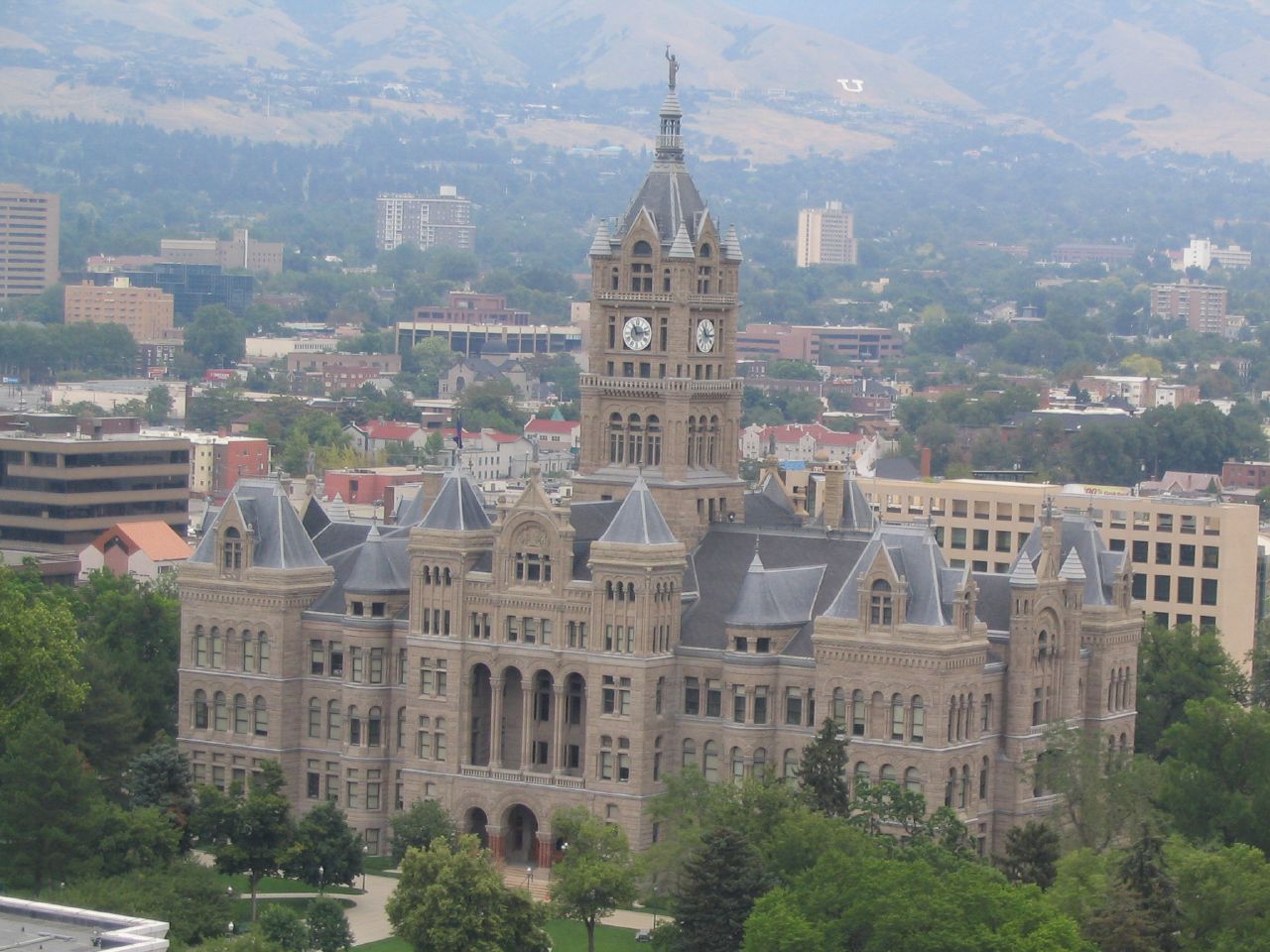
The city's cultural anchor is Temple Square, the 35-acre headquarters of the Church of Jesus Christ of Latter-day Saints and one of the most visited sites in the American West. Just steps away, the Utah State Capitol crowns Capitol Hill with sweeping valley views. For natural history lovers, the Natural History Museum of Utah on the University of Utah campus houses one of the finest dinosaur collections in the world, displayed in a stunning building that mirrors the surrounding landscape. The Utah Museum of Fine Arts, also on campus, rounds out the city's visual arts offerings with a broad permanent collection.

Sports & Live Entertainment

Salt Lakers are passionate sports fans. The Delta Center in downtown hosts Utah Jazz NBA games and major concerts throughout the year. With a new NHL franchise — the Utah Hockey Club — also calling the Delta Center home, the arena has become the beating heart of the city's sports scene. Baseball fans can catch Salt Lake Bees games at Smith's Ballpark, a classic minor-league experience just south of downtown.

Dining & Shopping

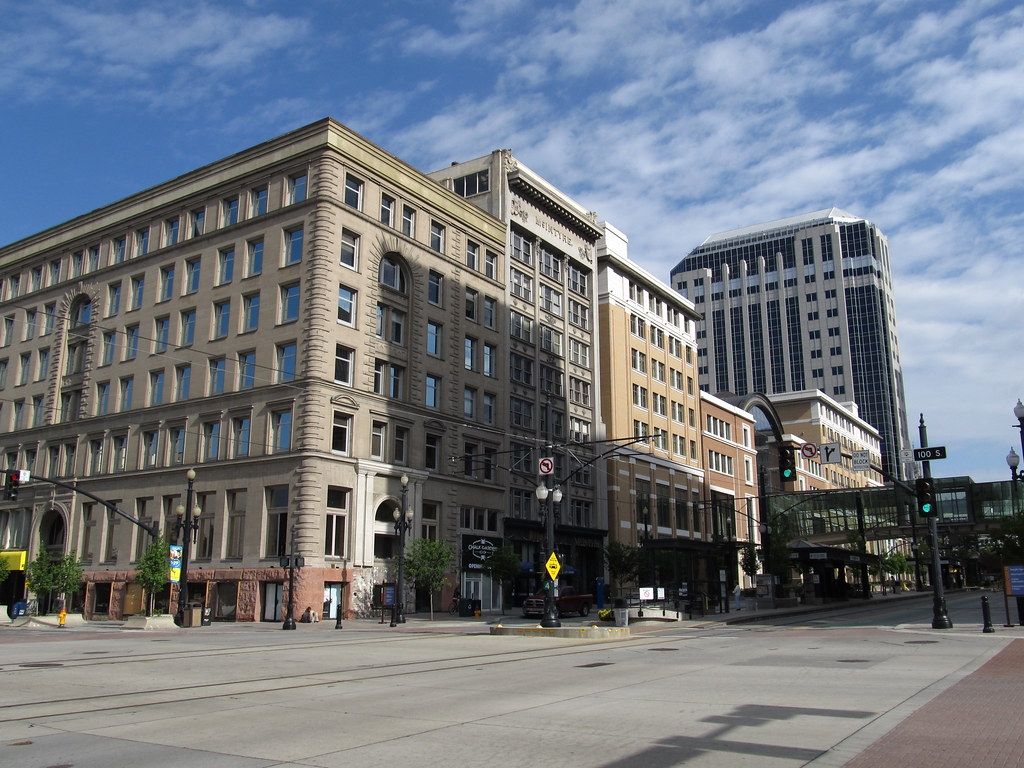
Downtown's Gateway District and the 9th and 9th neighborhood offer independent boutiques, coffee shops, and diverse dining. The city's restaurant scene has grown dramatically in recent years, with strong representation of international cuisines reflecting SLC's increasingly diverse population. The Utah Pride Festival, held each June, is among the largest annual celebrations in the region and draws visitors from across the Mountain West.

Latest Properties in Salt Lake City

Loading...

Loading latest properties...

See All Properties in Salt Lake City

History

Salt Lake City's story begins on July 24, 1847, when Brigham Young led 148 Mormon pioneers into the Salt Lake Valley, seeking refuge from religious persecution they had endured in Illinois and Missouri. Young famously declared the valley suitable for settlement, and within days his surveyors had mapped a bold rectilinear grid centered on a 160-acre Temple Block — a layout so deliberate and wide-streeted that its bones remain unmistakably visible in downtown Salt Lake City today.

The pioneers immediately diverted City Creek to irrigate 63 acres of desert soil, establishing the cooperative, infrastructure-first ethic that would define the city's growth. By the end of 1848, roughly 3,000 settlers had arrived. The completion of the first transcontinental railroad in 1869 connected the isolated valley to national markets, earning Salt Lake City its enduring nickname, "The Crossroads of the West." Mining booms and waves of international LDS converts swelled the population, and Utah achieved statehood in 1896, cementing Salt Lake City as the territorial and state capital.

The 2002 Winter Olympics marked a turning point for the modern city, injecting more than $5 billion in legacy investment into infrastructure, transit, and international visibility. That momentum accelerated a technology and biomedical sector boom anchored by the University of Utah, drawing a younger, highly educated workforce — reflected today in the city's notably low median age of 32.2 years.

Those historical layers shape the real estate market directly. The pioneer-era grid created walkable, mixed-use neighborhoods close to downtown that now command premium prices. Postwar suburban expansion pushed development south and west, producing the broader inventory that keeps the metro relatively accessible. Today's median home price of $450,000 reflects a city where 175 years of deliberate planning meets surging 21st-century demand.

Weather

Salt Lake City's Four-Season Climate

Salt Lake City experiences a semi-arid climate (Köppen BSk), shaped by its position at roughly 4,300 feet elevation in the Salt Lake Valley, flanked by the towering Wasatch Range to the east and the Oquirrh Mountains to the west. The result is a four-season climate with wide temperature swings, low humidity, and relatively modest annual precipitation.

Summers are hot and dry, with daytime highs regularly climbing into the mid-to-upper 90s°F and occasionally topping 100°F, while nights cool comfortably into the mid-60s. Winters are cold but generally moderate compared to other mountain cities, with daytime highs typically in the upper 30s to low 40s°F and overnight lows dipping into the mid-20s. Snowfall is common from November through March, though the valley floor receives far less accumulation than the nearby canyons — a dynamic that makes the city's ski resorts world-class while keeping downtown streets manageable.

Annual precipitation is modest, averaging around 15 to 16 inches, with the wettest months falling in spring and early winter. A notable weather phenomenon is the winter temperature inversion, where cold air becomes trapped in the valley beneath a warm air layer, concentrating air pollution and producing extended gray, smoggy stretches.

For homebuyers, the climate translates to meaningful air conditioning costs during long, sunny summers and solid heating demands through winter. Rooftop snow loads, efficient insulation, and outdoor living spaces — patios, decks, and landscaping suited to dry conditions — are all practical considerations in Salt Lake City real estate.

Salt Lake City Market Analytics

The Salt Lake City housing market is experiencing a period of stability and moderate growth, with the average home value increasing by 1.4% over the past year to $582,654, according to data analyzed by Opulist. This suggests the market is balancing, with a relatively equal mix of homes selling above and below list price, and a median sale-to-list ratio of 0.993. The median days to pending is around 10 days, indicating a relatively fast-paced market, and with new listings and for-sale inventory available, buyers have options, making it a good time to consider purchasing a home in Salt Lake City with the guidance of a knowledgeable real estate partner like Opulist.


1-Year Home Value Change: +1.4%

Salt Lake City Home Value Index over time.

Can I Afford Salt Lake City?
$
%
$0
Est. Monthly Payment
$0/yr
Salary Required

*Principal & interest only. Salary based on 28% debt-to-income ratio.

Get Pre-Approved for Salt Lake City