
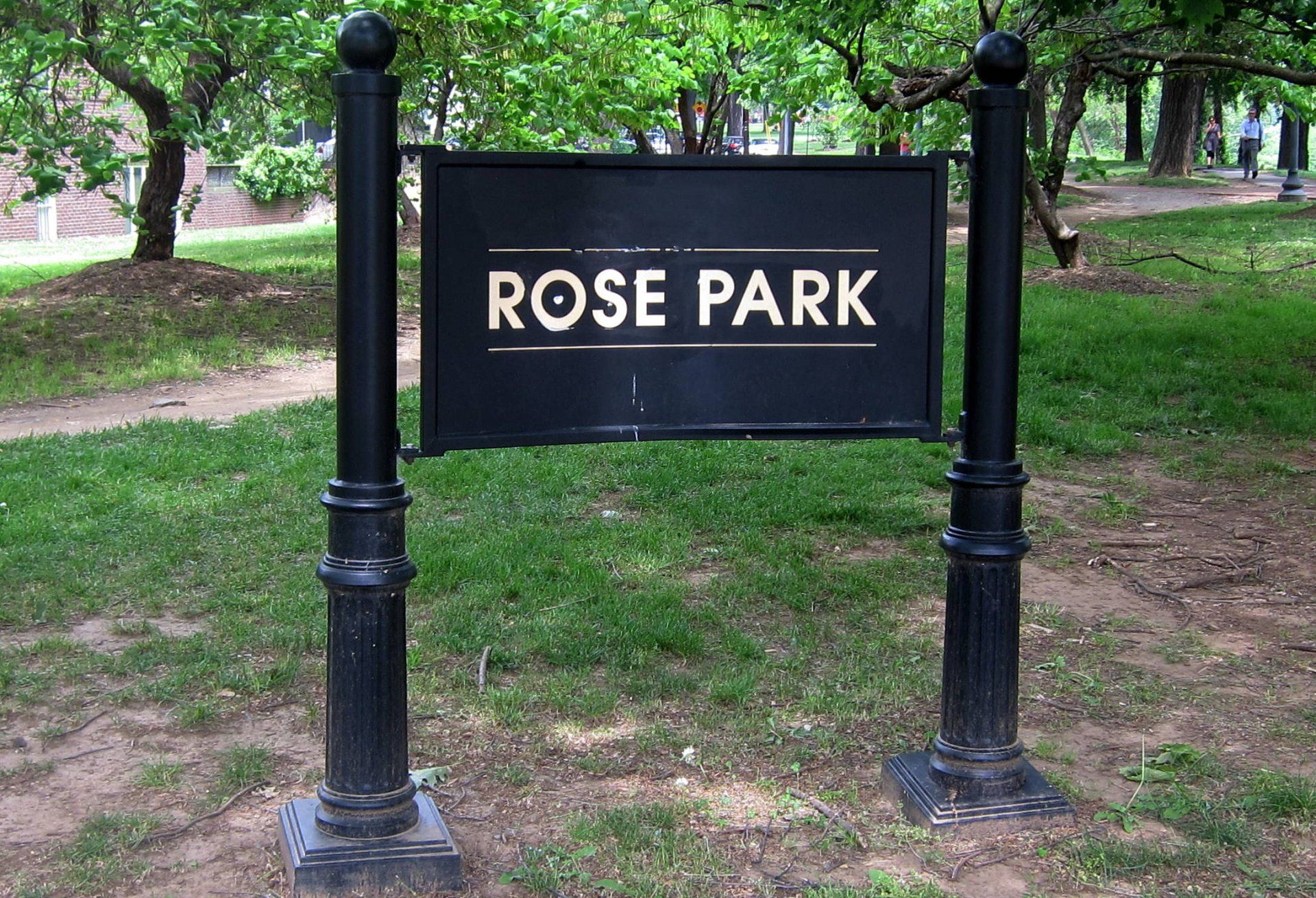
A Neighborhood Shaped by Postwar Promise
Rose Park traces its roots to the post-World War II housing boom that reshaped much of the American West. As returning veterans and their growing families sought affordable homeownership, Salt Lake City expanded northward, and Rose Park emerged as one of its signature mid-century residential developments. The neighborhood was platted and built largely during the late 1940s and 1950s, characterized by the modest, well-constructed ranch-style and bungalow homes that remain its architectural backbone today.
The name itself reflects the optimism of that era — a deliberate nod to greenery and beauty in a planned community designed for working-class and middle-class families. Rose Park was built with parks, wide streets, and a sense of order that made it an attractive destination for Salt Lake City's growing workforce.
Over the following decades, the neighborhood evolved into one of the city's most culturally diverse communities, welcoming successive waves of immigrant and refugee families who added rich new layers to its identity. That diversity is one of Rose Park's most defining present-day characteristics, visible in its local businesses, community gatherings, and everyday street life.
Today, those same solid mid-century homes draw buyers and renters alike. Whether you're exploring homes for sale in Rose Park, UT or searching for houses for rent in Rose Park, Salt Lake City, you're looking at a neighborhood with genuine roots and a community that has only grown stronger with time.