
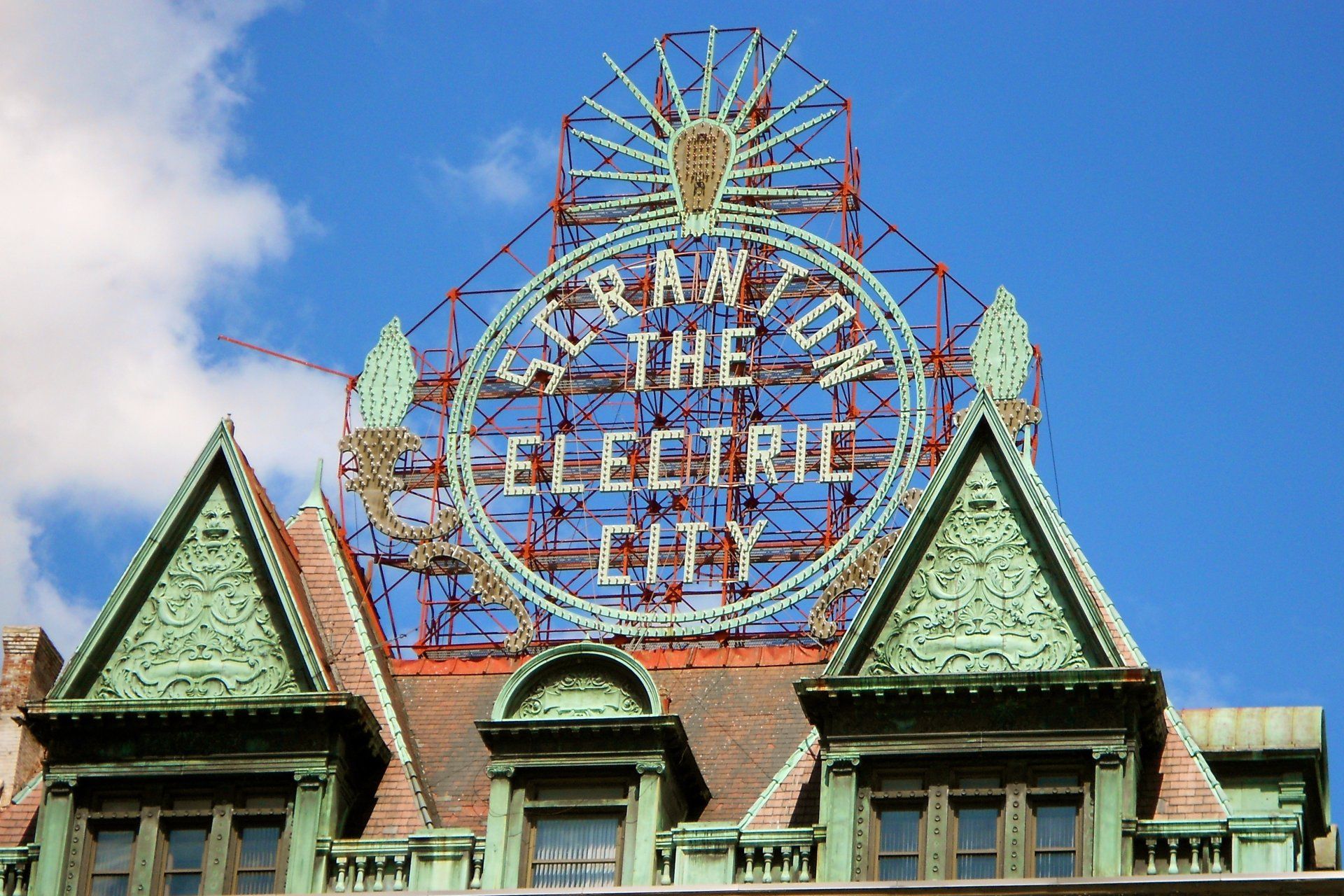
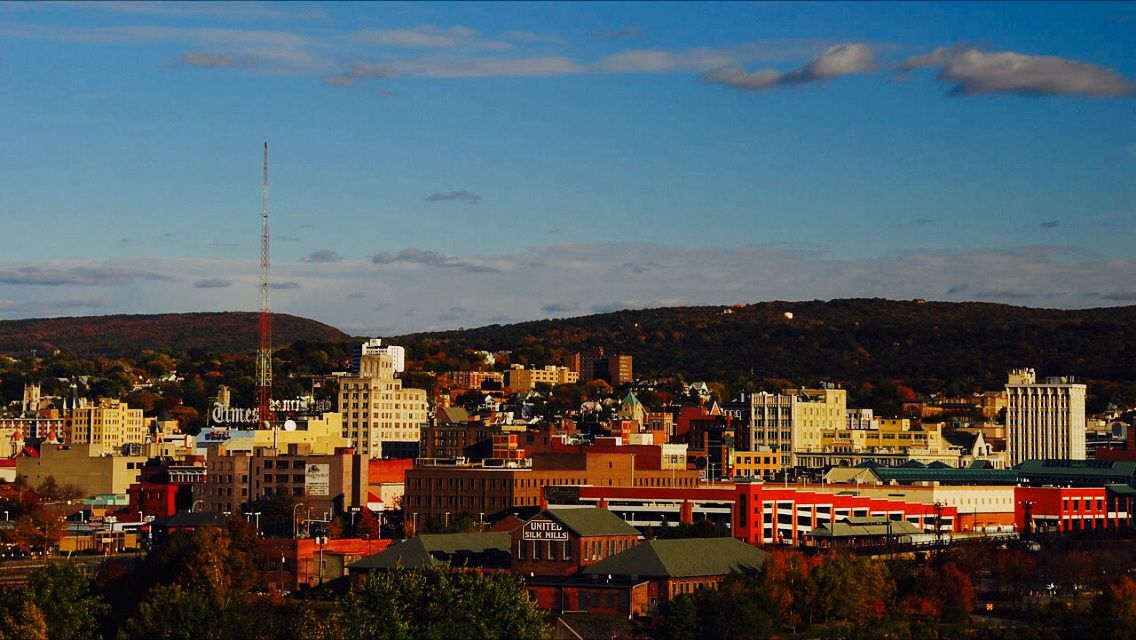
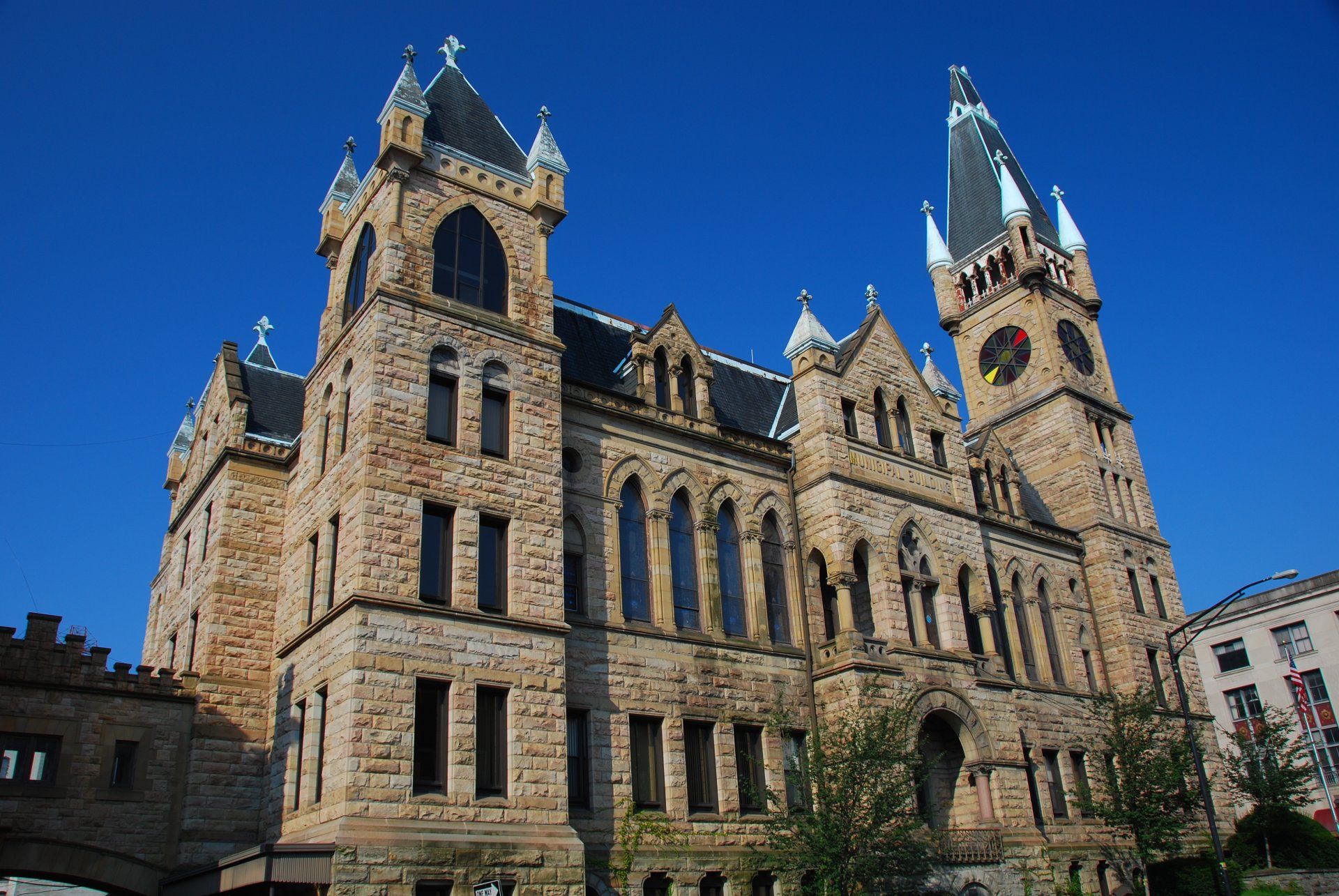
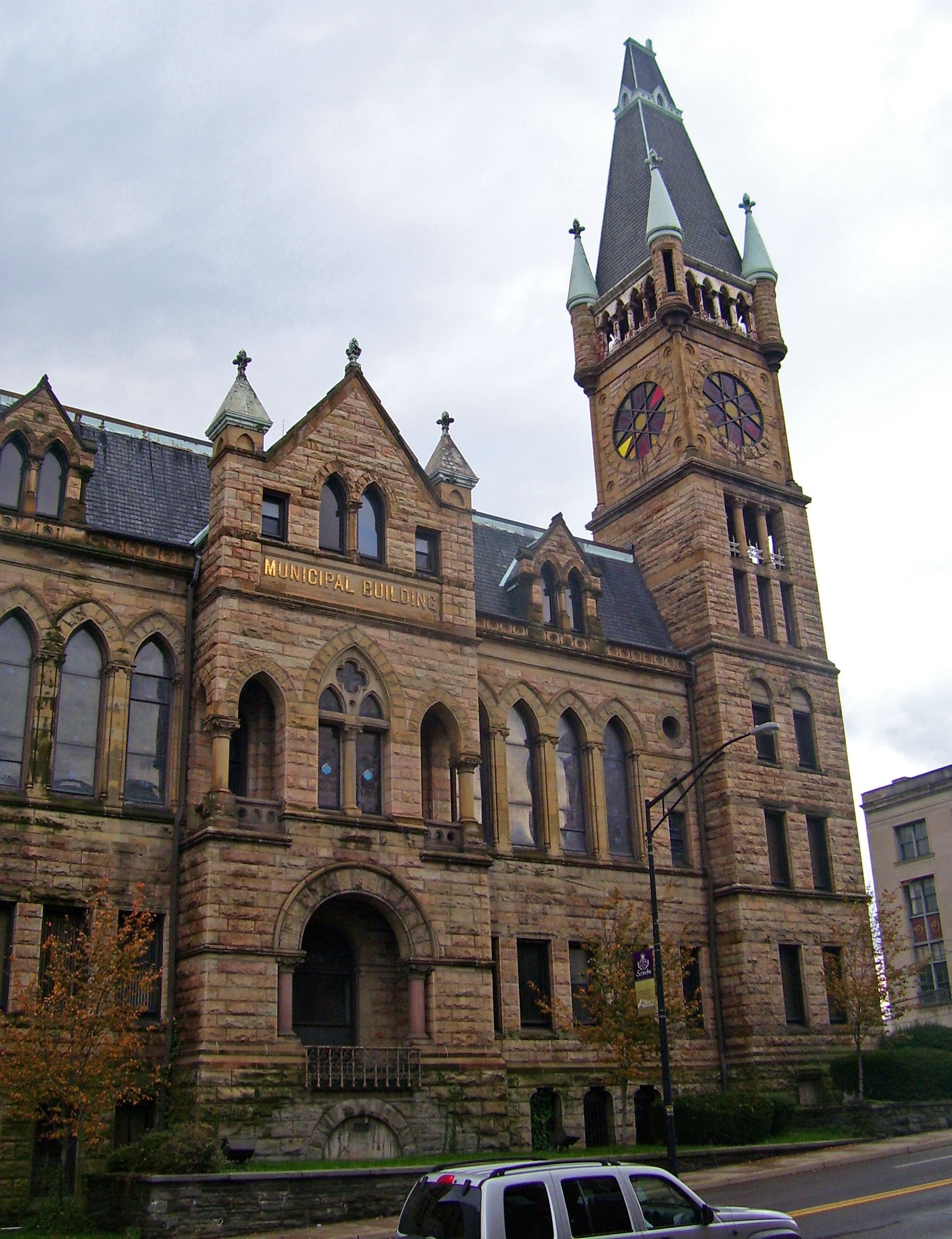
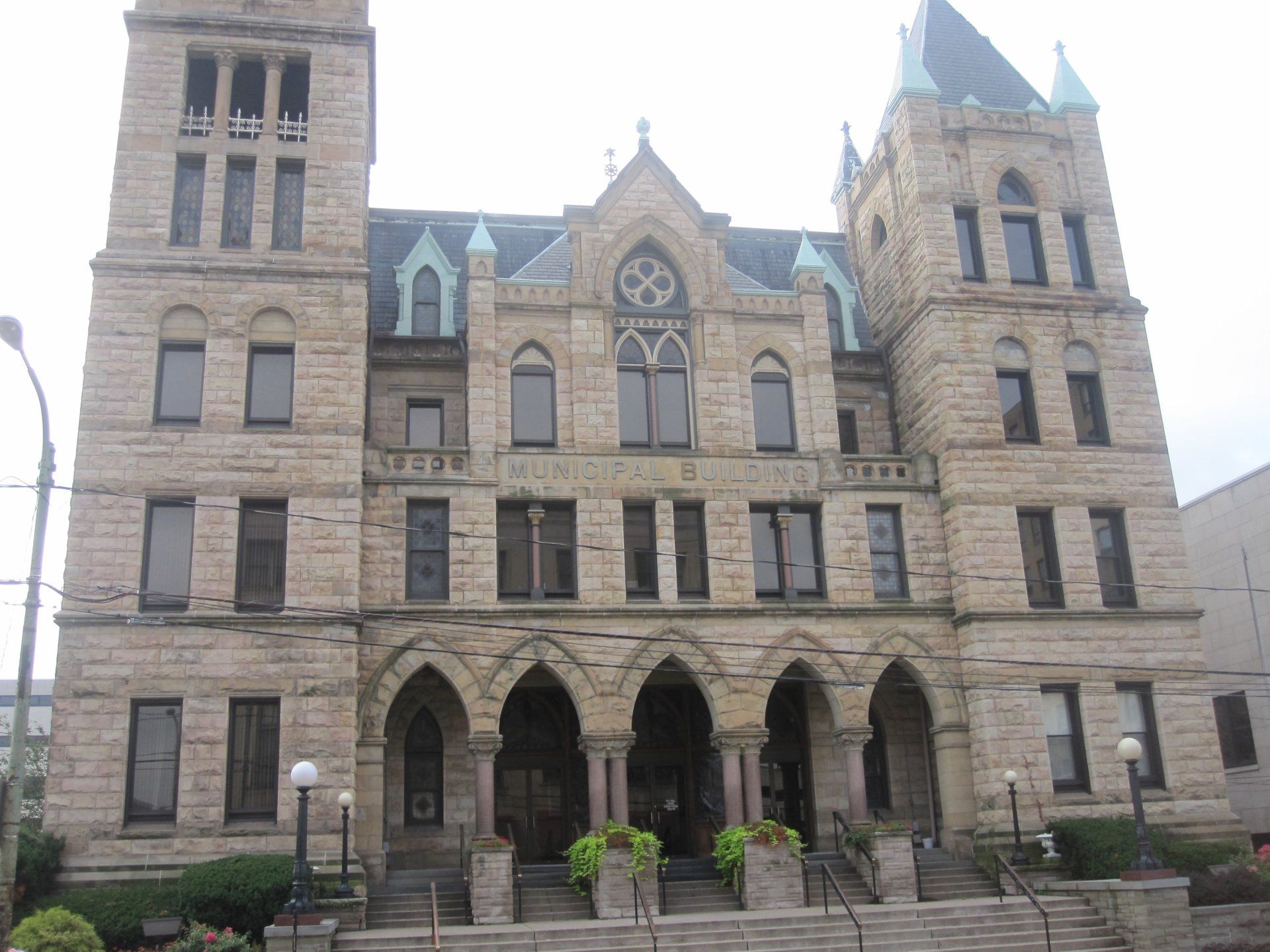
Incorporated as a city in 1866 and designated the county seat of Lackawanna County in 1878, Scranton sits in the Lackawanna River valley of Northeastern Pennsylvania, roughly 100 miles from both Philadelphia and New York City. That geographic position — close enough to major metros to benefit from their economies, yet independent enough to maintain its own identity — is one of the qualities that sets Scranton apart from neighboring cities like Wilkes-Barre and Allentown. Scranton earned the nickname "The Electric City" by becoming one of the first cities in the United States to operate electric streetcars, a distinction rooted in genuine industrial ambition rather than marketing. Today, landmarks like Steamtown National Historic Site and the Lackawanna Coal Mine anchor a city that takes its history seriously while investing in its future. The Scranton City School District serves a population of over 76,000 residents, and Interstate 81 provides direct regional connectivity. For buyers exploring homes for sale in Scranton, PA, the combination of affordable housing stock, urban amenities, and proximity to major corridors makes this a city with real momentum.
Welcome to Scranton
Community Profile
Nestled in the Lackawanna Valley of northeastern Pennsylvania, this city of 366,238 residents offers one of the most compelling value propositions in the Northeast — and the numbers make the case clearly. The median home value here sits at just $158,043, less than half the national median of roughly $330,000, meaning buyers exploring homes for sale in Scranton, PA are stepping into a market where their dollar stretches remarkably far. Monthly rents averaging $1,048 further underscore the city's affordability relative to comparable urban markets up and down the I-81 corridor.
The community skews slightly younger than the nation as a whole, with a median age of 37.2 years compared to the national figure of 38.5 — a reflection of a population with strong representation across every life stage. Young adults in their 20s and 30s make up a combined 27.3% of residents, while families average 3.11 members, signaling an active, family-oriented community. Nearly 1 in 5 residents is 65 or older, giving the city a multigenerational character that enriches neighborhood life. What's particularly striking is that 39.6% of degree holders have backgrounds in STEM fields — a quietly impressive concentration of technical talent that speaks to the region's evolving economic identity. Commutes average just 19.3 minutes, a genuine quality-of-life advantage for working households. For buyers weighing houses for sale in Scranton, PA, that combination of affordability, community depth, and short commutes is difficult to match anywhere in Pennsylvania.
Things to Do
Arts & Culture
Scranton's industrial past is one of its greatest cultural assets. Steamtown National Historic Site, operated by the National Park Service in the heart of downtown, preserves a remarkable collection of steam locomotives and freight cars, offering guided tours, train excursions, and hands-on exhibits that bring the railroad era vividly to life. Nearby, the Lackawanna Coal Mine Tour takes visitors 300 feet underground into an actual anthracite mine — a genuinely unforgettable experience that connects you to the city's identity as the Anthracite Capital of the World. The Everhart Museum in Nay Aug Park houses an eclectic collection spanning natural history, folk art, and fine art, making it one of Northeastern Pennsylvania's most distinctive cultural institutions.
Outdoor Recreation
Nay Aug Park is Scranton's crown jewel for outdoor activity, spanning over 120 acres with hiking trails, a gorge overlook, a waterpark, and picnic areas — all within the city limits. The Lackawanna State Park, just a short drive north, offers boating, fishing, swimming, and camping around a scenic 198-acre lake. The Scranton Iron Furnaces, a preserved industrial ruin along Roaring Brook, doubles as a striking outdoor landmark and a quiet spot for a reflective walk through history.
Dining & Nightlife
Scranton's dining scene reflects its working-class, multicultural roots — hearty, unpretentious, and genuinely satisfying. The Electric City moniker fits the downtown restaurant corridor, where you'll find everything from classic Italian-American kitchens rooted in the city's immigrant heritage to craft breweries and gastropubs that have energized the urban core in recent years. Courthouse Square and the surrounding blocks make for a lively evening out.
Family Activities & Sports
Families will find plenty to keep everyone busy. The Lackawanna County Children's Library is a beloved community institution, and the Scranton/Wilkes-Barre RailRiders, the Triple-A affiliate of the New York Yankees, play at PNC Field in nearby Moosic — an easy, affordable night out just minutes from the city. Whether you're a lifelong Scrantonian or exploring homes for sale in Scranton PA for the first time, the city's blend of history, nature, and community spirit makes it a genuinely rewarding place to put down roots.
Latest Properties in Scranton
Loading latest properties...
History
From Iron Rails to Row Houses: Scranton's Industrial Legacy and Today's Market
Scranton's story begins not with coal, but with iron. In the 1840s, brothers Selden T. and George W. Scranton established what would become Lackawanna Iron & Coal in the valley along the Lackawanna River, pivoting from failed nail production to manufacturing T-rails for the rapidly expanding American railroad network. That decision transformed a small agrarian village called Slocum Hollow into one of the Northeast's most dynamic industrial cities. Incorporated as a borough on February 14, 1856, and as a city on April 23, 1866, Scranton absorbed the surrounding boroughs of Hyde Park and Providence, laying the geographic foundation for the neighborhoods that define the city today.
By 1900, the population had grown more than tenfold from its 1860 level, driven by waves of Irish, Italian, Polish, and German immigrants who filled the city's expanding workforce. These communities built dense, walkable neighborhoods — the brick row houses and double-block homes of the West Side, Green Ridge, and North Scranton — that remain the backbone of the housing stock buyers encounter when browsing homes for sale in Scranton, PA today. The Delaware, Lackawanna and Western Railroad served as the city's largest employer for nearly a century, and its infrastructure shaped where people lived and how neighborhoods grew.
Scranton's industrial output peaked during the 1930s and 1940s, but the postwar decline of anthracite coal — punctuated by the catastrophic Knox Mine disaster of 1959 — sent the city into a long contraction. Population fell from a peak of 143,433 in 1930 to roughly 76,000 by 2010. That demographic shift left behind an affordable, architecturally rich housing stock that today attracts buyers priced out of larger metros. For those exploring houses for sale in Scranton, PA, that industrial heritage translates into character-filled homes at prices that remain well below national averages.
Weather
Scranton, PA Climate and Weather Patterns
Scranton, Pennsylvania experiences a humid continental climate, shaped by its inland position in the Lackawanna River valley and its elevation of roughly 745 feet above sea level in the Pocono Mountains region of Northeastern Pennsylvania. This geography produces four genuinely distinct seasons, with meaningful temperature swings throughout the year.
Summers are warm and moderately humid, with daytime highs typically reaching the mid- to upper 80s°F and overnight lows settling in the low 60s. Winters are cold and snowy — January highs hover around the mid-30s°F, while lows regularly dip into the teens and low 20s. The surrounding ridgelines and valley topography can enhance snowfall accumulation, and lake-effect moisture occasionally intensifies winter storms. Spring and fall are transitional and often beautiful, though spring can arrive slowly at this elevation.
Annual precipitation is spread fairly evenly across the seasons, averaging around 35–40 inches, with additional snowfall often exceeding 40 inches per winter. The valley setting can trap cold air and fog during shoulder seasons, a characteristic worth noting for anyone exploring homes for sale in Scranton, PA.
From a real estate perspective, the climate has real implications. Heating costs are a meaningful budget consideration given the long, cold winters, and buyers should evaluate insulation quality and heating systems carefully. Roofs, gutters, and driveways require regular seasonal maintenance due to freeze-thaw cycles and snow loads. On the upside, warm summers make outdoor living genuinely enjoyable, and the vivid fall foliage across the surrounding hills is one of the region's most celebrated natural features.
Scranton Market Analytics
Can I Afford Scranton?
Neighborhoods in Scranton
Weather