
A Neighborhood Built on Elevation and Ambition
The Hill Section of Scranton occupies the elevated terrain rising above the city's core, and its development mirrors the broader arc of Scranton's remarkable industrial rise. As the anthracite coal industry transformed northeastern Pennsylvania into one of the most economically dynamic regions in 19th-century America, Scranton's professional class and prosperous merchants sought higher ground — literally. The Hill Section emerged as a desirable residential enclave where the city's more affluent families built substantial homes away from the noise and soot of the valley below.
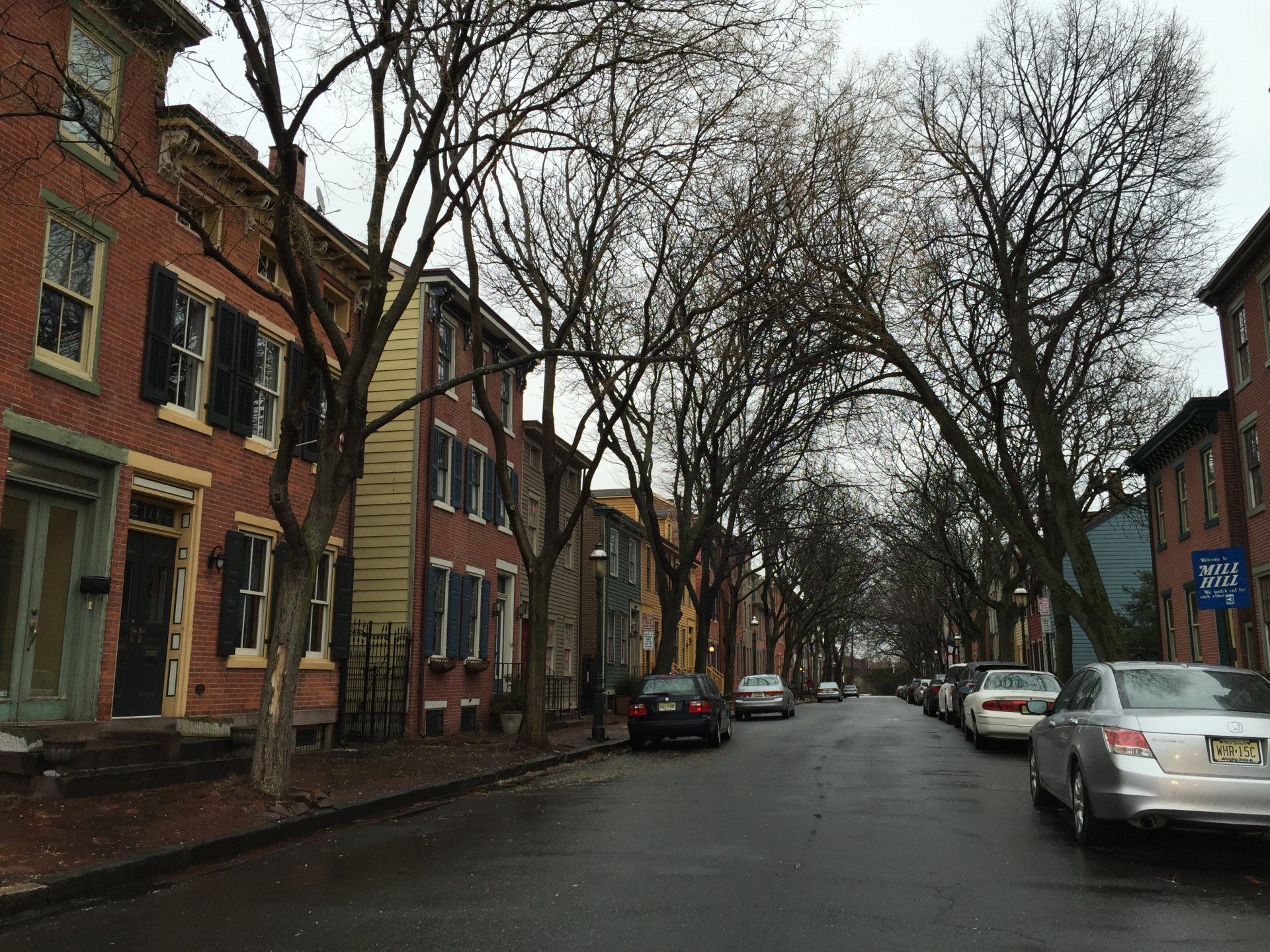
Through the late 19th and early 20th centuries, the neighborhood filled in with a mix of Victorian-era architecture, sturdy brick construction, and the kind of craftsmanship that reflected genuine civic confidence. Tree-lined streets and generous lot sizes gave the Hill Section a character distinct from Scranton's denser working-class districts.
When coal's dominance faded in the mid-20th century, Scranton — like many northeastern industrial cities — faced decades of economic contraction. Yet the Hill Section retained much of its architectural integrity, and its elevated position and established streetscapes kept it among the city's more sought-after addresses. Today, that legacy endures. Whether you're exploring houses for sale in Hill Section Scranton or considering Hill Section apartments for rent, you're looking at a neighborhood whose bones were built to last — and whose history gives it a depth that newer developments simply cannot replicate.