
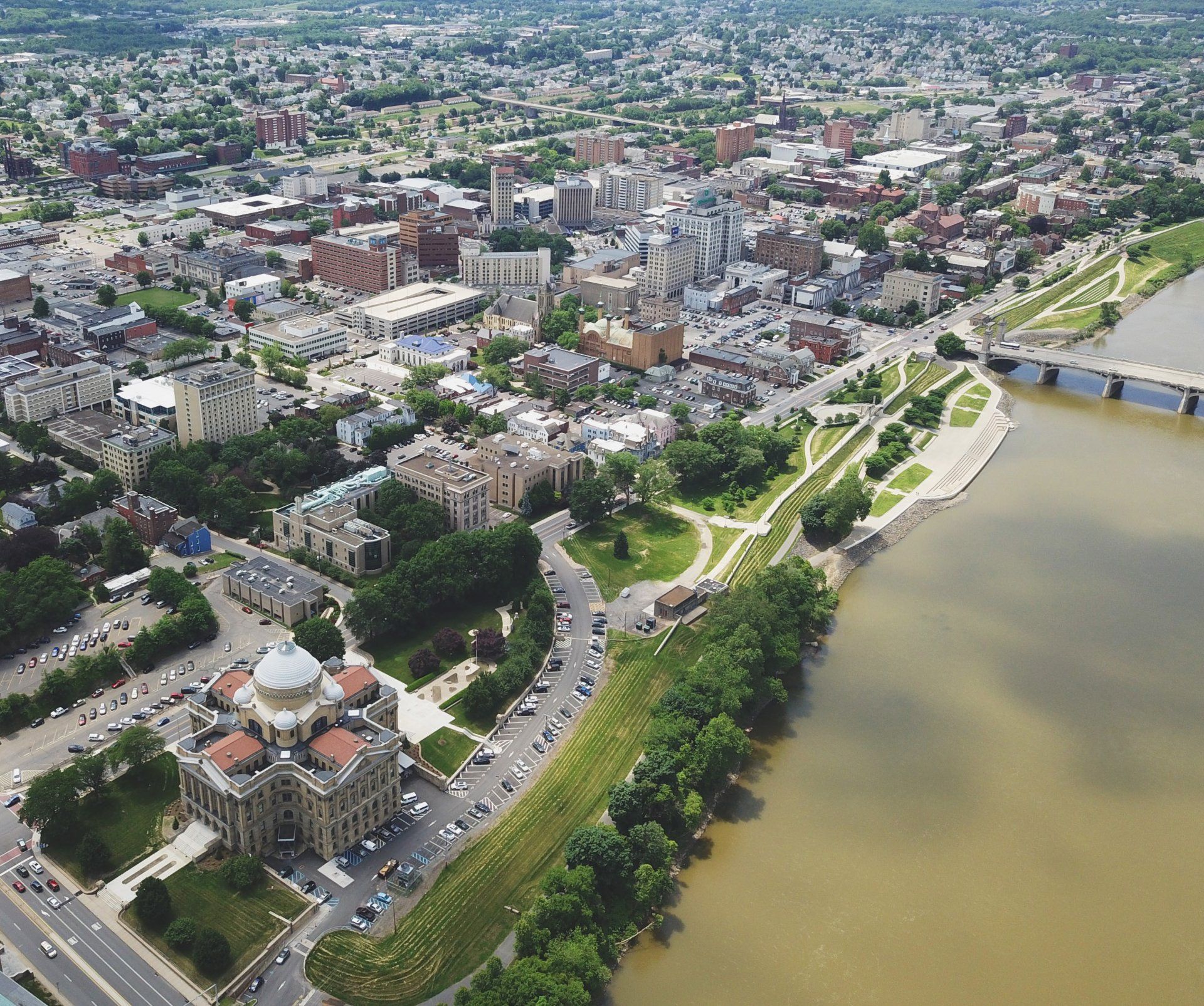
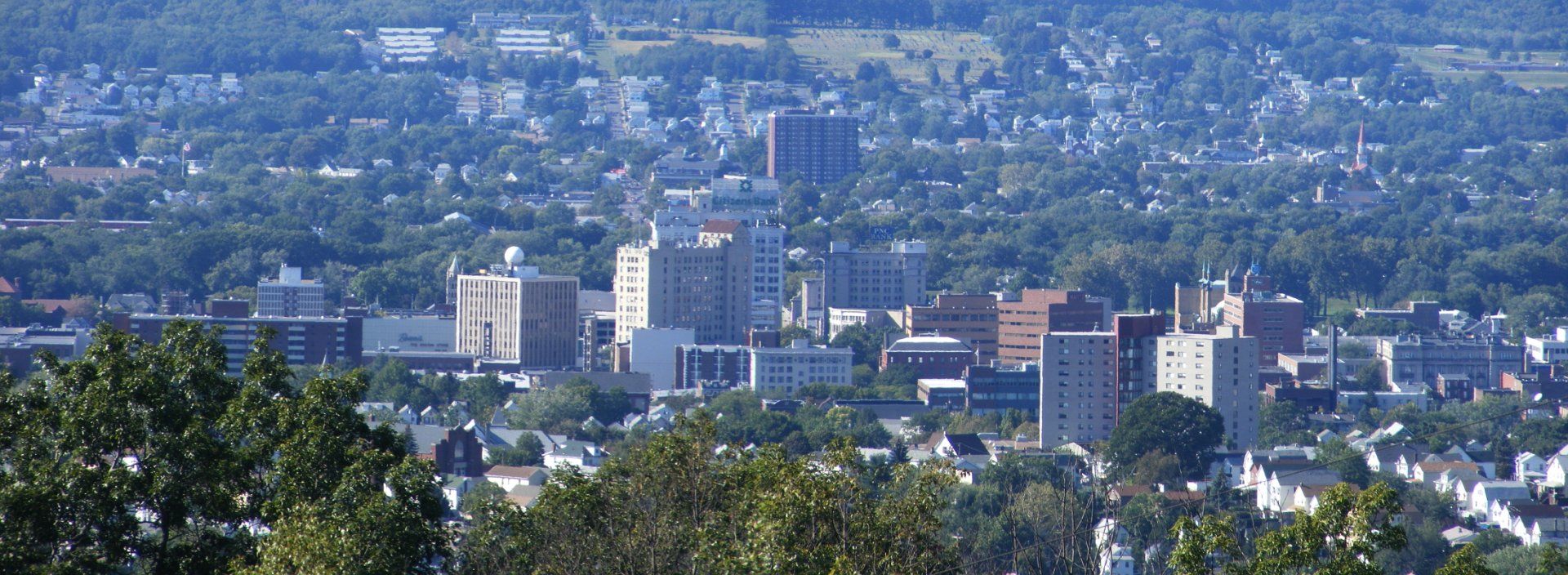
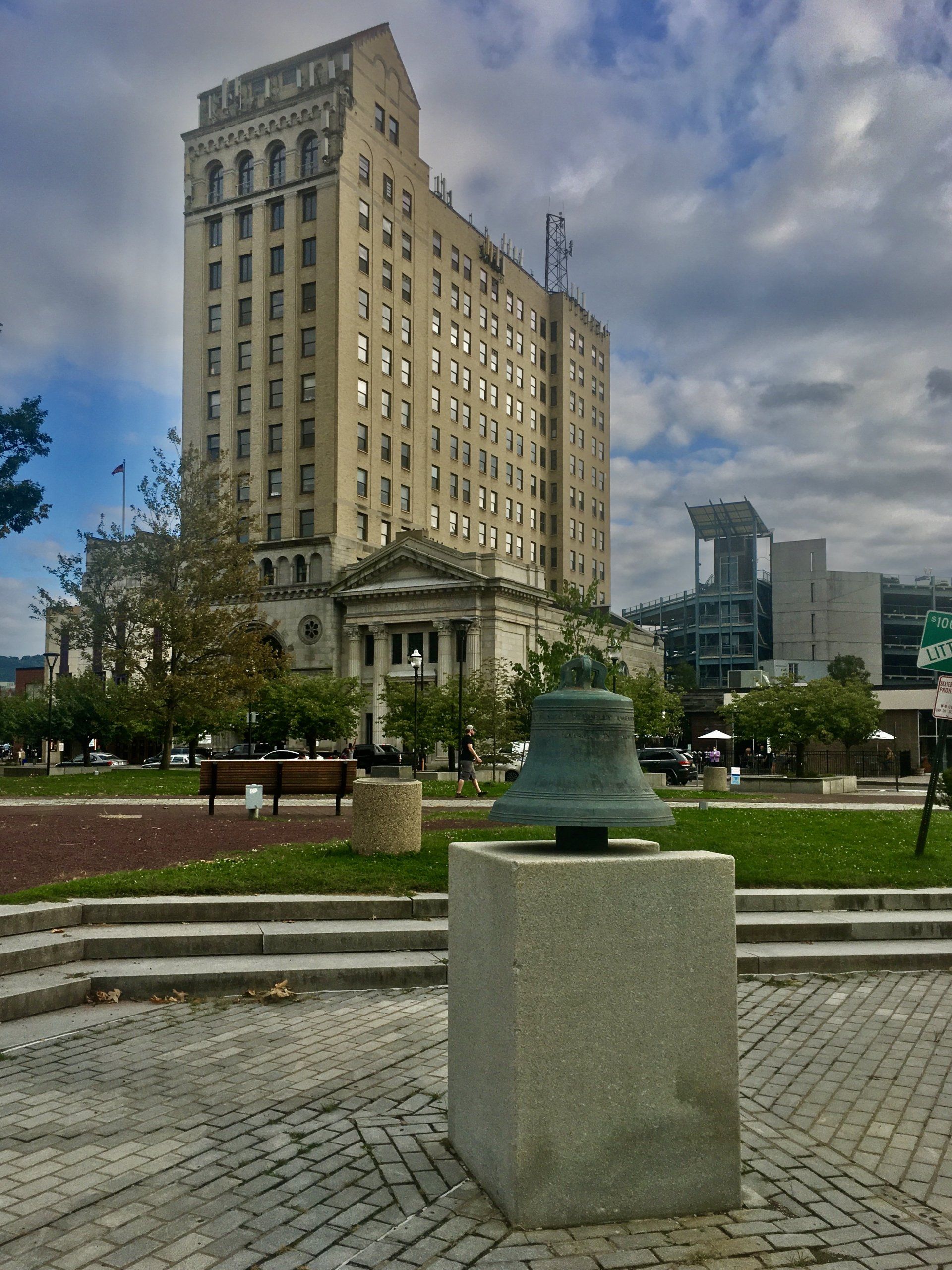
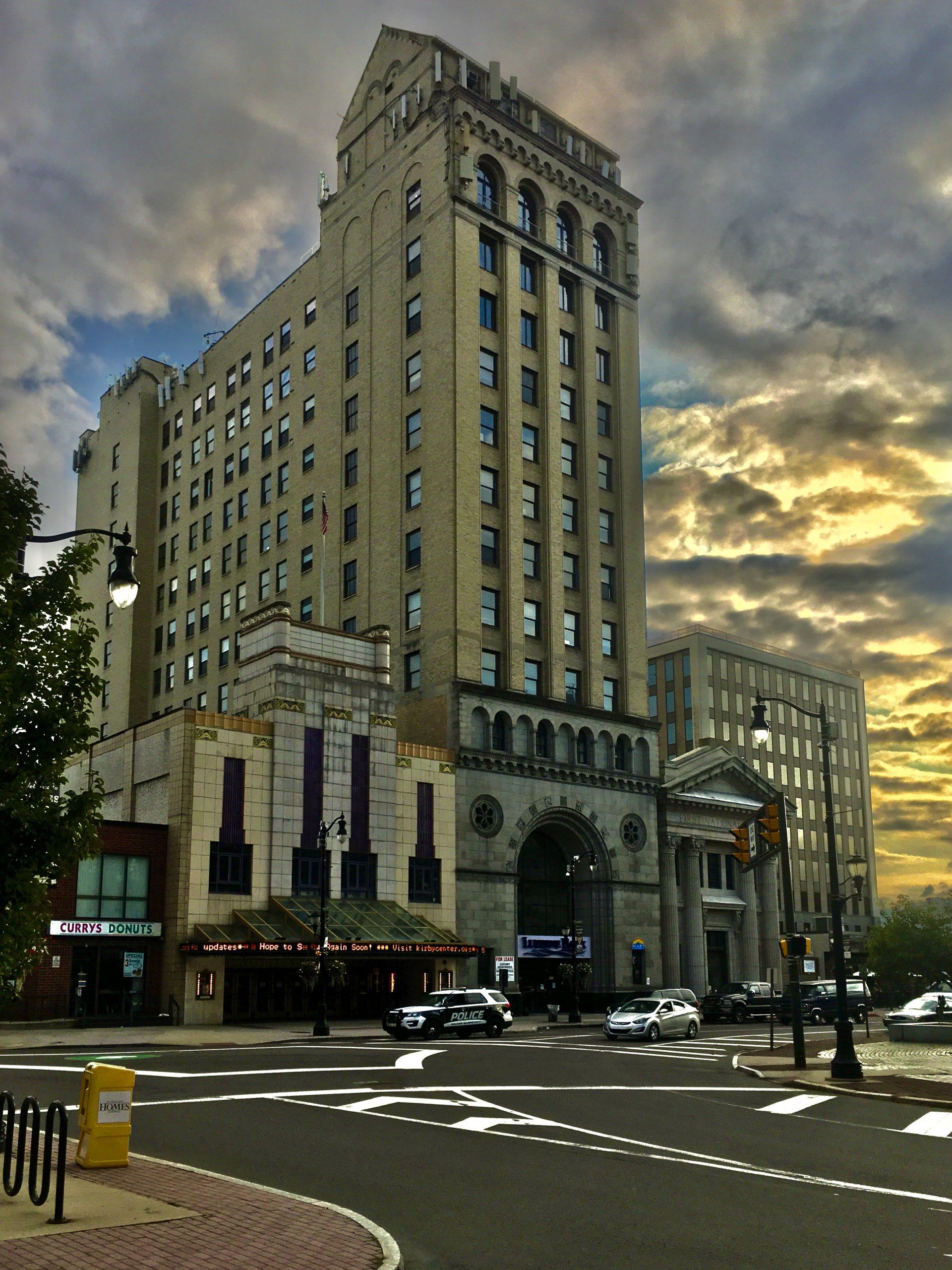
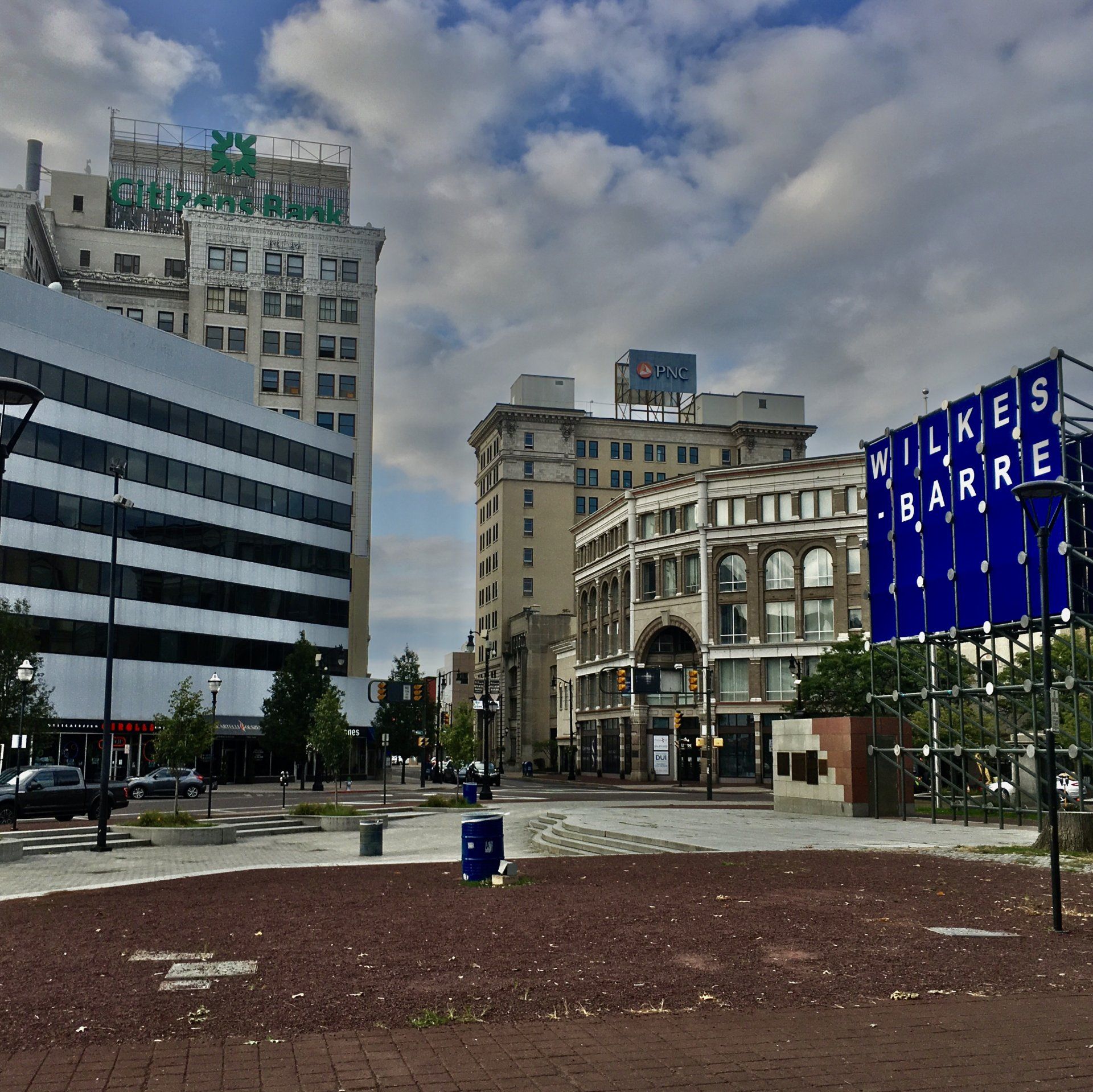
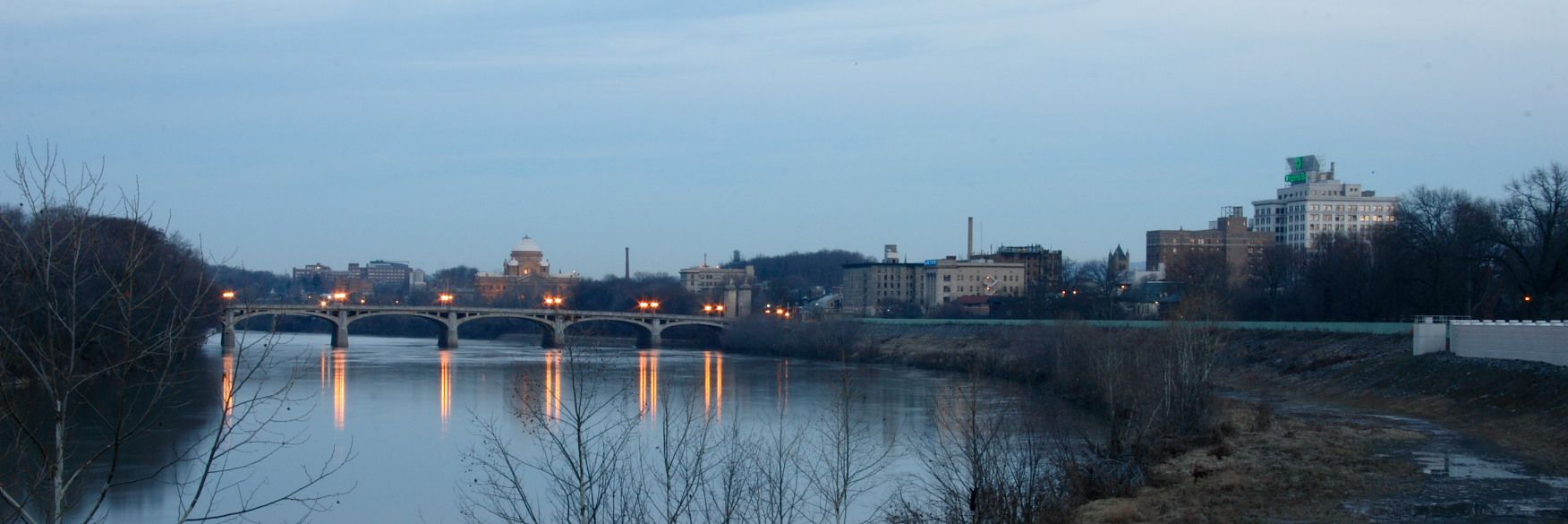
Founded in 1769 along the west bank of the Susquehanna River, Wilkes-Barre serves as the county seat of Luzerne County and remains the largest city in the Wyoming Valley — a distinction that sets it apart from neighboring communities like Scranton to the north and Hazleton to the south. With a population of roughly 44,000 spread across just 7.2 square miles, the city carries a density and urban character that smaller surrounding boroughs simply cannot match. Its identity was forged in the anthracite coal era, but today Wilkes-Barre's economy runs on healthcare, higher education, and a downtown that has been steadily rebuilding its footing. The F.M. Kirby Center for the Performing Arts anchors Public Square as a genuine regional cultural destination, drawing audiences from across Northeastern Pennsylvania. Wilkes University and King's College give the city a year-round academic pulse. For buyers exploring homes for sale in Wilkes-Barre, PA, the combination of affordable entry prices, Interstate 81 access, and a location within two hours of both Philadelphia and New York City makes this a city worth watching — and increasingly, a city worth moving to.
Welcome to Wilkes-Barre
Community Profile
Nestled along the Susquehanna River in Luzerne County, this Wyoming Valley city of 44,423 residents has a distinctly youthful energy — the median age of just 34.7 years sits well below the national figure of 38.5, driven by a robust pipeline of young adults and families. Nearly 57% of the population is under 40, and with an average family size of 3.17 people, Wilkes-Barre has the feel of a community actively growing and putting down roots.
What truly sets this city apart for prospective buyers is its remarkable affordability. The median home value of $115,105 is a fraction of the national median near $330,000, meaning buyers searching for homes for sale in Wilkes-Barre, PA will find their dollar stretches dramatically further here than in most American cities. Median rent of just $946 per month also keeps the market accessible for those still building toward ownership. The homeownership rate stands at 51.2%, leaving meaningful opportunity for new buyers to enter the market.
The community's diversity adds to its character — a vibrant 33.8% Hispanic/Latino population alongside residents of multiple backgrounds gives Wilkes-Barre a cultural richness uncommon in smaller Pennsylvania cities. Commuters enjoy an average travel time of just 20.7 minutes, a genuine quality-of-life advantage, while the striking statistic that 46.1% of degree holders studied STEM fields hints at a workforce with technical depth. For buyers exploring houses for sale in Wilkes-Barre who want affordability, youth, and diversity in one package, this city delivers a compelling case.
Things to Do
Outdoor Recreation
Wilkes-Barre's setting in the Wyoming Valley, flanked by the Pocono Mountains to the east and the Endless Mountains to the north and west, makes it a natural gateway for outdoor enthusiasts. The Susquehanna River runs alongside the city, and the riverfront offers scenic walking and cycling paths that draw residents year-round. Kirby Park, one of the city's most beloved green spaces, sits along the river and provides athletic fields, picnic areas, and open lawns ideal for families and casual recreation. The surrounding region offers hiking, fishing, and seasonal foliage viewing within a short drive.
Arts & Culture
The F.M. Kirby Center for the Performing Arts on Public Square is the cultural heart of downtown Wilkes-Barre, hosting national touring acts, Broadway productions, comedy shows, and concerts throughout the year in a beautifully restored historic venue. For visual arts and natural history, the Everhart Museum in nearby Scranton is a regional institution worth the short trip, while Wilkes-Barre's own downtown galleries and the creative energy around Wilkes University and King's College keep the local arts scene active and evolving.
Family Activities & Sports
Hockey fans flock to the Mohegan Arena (formerly Mohegan Sun Arena) to cheer on the Wilkes-Barre/Scranton Penguins, the AHL affiliate of the Pittsburgh Penguins — one of the most successful franchises in minor league hockey history. The arena also hosts family shows, concerts, and community events throughout the season. Families exploring houses for sale in Wilkes-Barre PA quickly discover that the city punches well above its weight for entertainment options relative to its size.
Dining & Downtown Life
Downtown Wilkes-Barre has seen meaningful revitalization in recent years, with Public Square serving as the social hub of the city. The surrounding blocks feature a growing mix of casual eateries, craft beer spots, and neighborhood restaurants reflecting the area's diverse community. Annual events and seasonal festivals animate the downtown corridor, giving residents and visitors alike a reason to gather throughout the year. Those browsing homes for sale in Wilkes-Barre PA will find a city with genuine neighborhood character and a lively, evolving downtown worth exploring.
Latest Properties in Wilkes-Barre
Loading latest properties...
History
From Coal Mines to Modern Neighborhoods
Wilkes-Barre was founded in 1769 when Connecticut settlers established five townships in the Wyoming Valley, naming one in honor of John Wilkes and Isaac Barré, two British members of Parliament who had championed the American colonial cause. After decades of jurisdictional conflict between Connecticut and Pennsylvania settlers — resolved by the Decree of Trenton in 1782 — Wilkes-Barre became the seat of the newly created Luzerne County in 1786, a role it still holds today.
The city's defining transformation came in the 19th century. In 1808, Judge Jesse Fell of Wilkes-Barre discovered how to burn anthracite coal using an iron grate, unlocking the fuel's commercial potential and igniting a regional boom. Waves of immigrant laborers arrived to work the mines, and the city's population swelled dramatically — peaking at over 86,000 residents in 1930. The dense rowhouses and workers' neighborhoods built during this era still shape the city's residential fabric today.
Decline followed. The collapse of the coal industry after World War II, accelerated by the catastrophic Knox Mine disaster of 1959, gutted the local economy and triggered decades of population loss. Today the city numbers around 44,000 residents — roughly half its 1930 peak. Yet that history has a silver lining for buyers: it left behind a stock of solidly built, affordable housing that makes homes for sale in Wilkes-Barre, PA among the most accessibly priced in Northeastern Pennsylvania. Ongoing downtown revitalization, anchored by institutions like Wilkes University and King's College, is now drawing renewed investment into neighborhoods that coal once built.
Weather
Wilkes-Barre, Pennsylvania experiences a humid continental climate, shaped by its position in the Wyoming Valley at roughly 520 feet of elevation, nestled between the Pocono Mountains to the east and the Endless Mountains to the north and west. This mountain-valley geography plays a meaningful role in local weather patterns, trapping cold air in winter and occasionally intensifying precipitation events year-round.
Summers are warm and moderately humid, with daytime highs typically ranging from the mid-70s to the mid-80s°F and overnight lows settling in the upper 50s to mid-60s. Winters are cold and snowy — high temperatures from December through February generally hover between the upper 20s and low 40s°F, with lows frequently dipping into the teens and 20s. The surrounding mountain terrain enhances snowfall totals, and residents can expect significant accumulation most winters.
Annual precipitation is fairly well distributed throughout the year, averaging around 40 inches, with additional snowfall often exceeding 30 to 40 inches seasonally. Spring and fall are transitional and pleasant, though spring can bring heavy rain and occasional flooding along the Susquehanna River corridor — a historical concern for the region.
For anyone exploring houses for sale in Wilkes-Barre, these climate realities carry practical weight. Heating costs are a significant budget consideration, and buyers should evaluate insulation, roof condition, and furnace age carefully. Snowy winters also mean ongoing maintenance demands, while the warm summers make outdoor spaces genuinely enjoyable for much of the year. Four distinct seasons define life here, rewarding homeowners who plan for each one.
Wilkes-Barre Market Analytics
Wilkes-Barre is showing steady, healthy growth with typical home values up 2.3% over the past year and homes selling in a brisk 12 days on average. Nearly half of all sales are closing above list price, which tells us buyers are competing and the market still favors sellers who price their homes realistically. Whether you're buying or selling, Opulist can help you navigate this balanced but active market with confidence.
Wilkes-Barre Home Value Index over time.
Can I Afford Wilkes-Barre?
Neighborhoods in Wilkes-Barre
Weather