
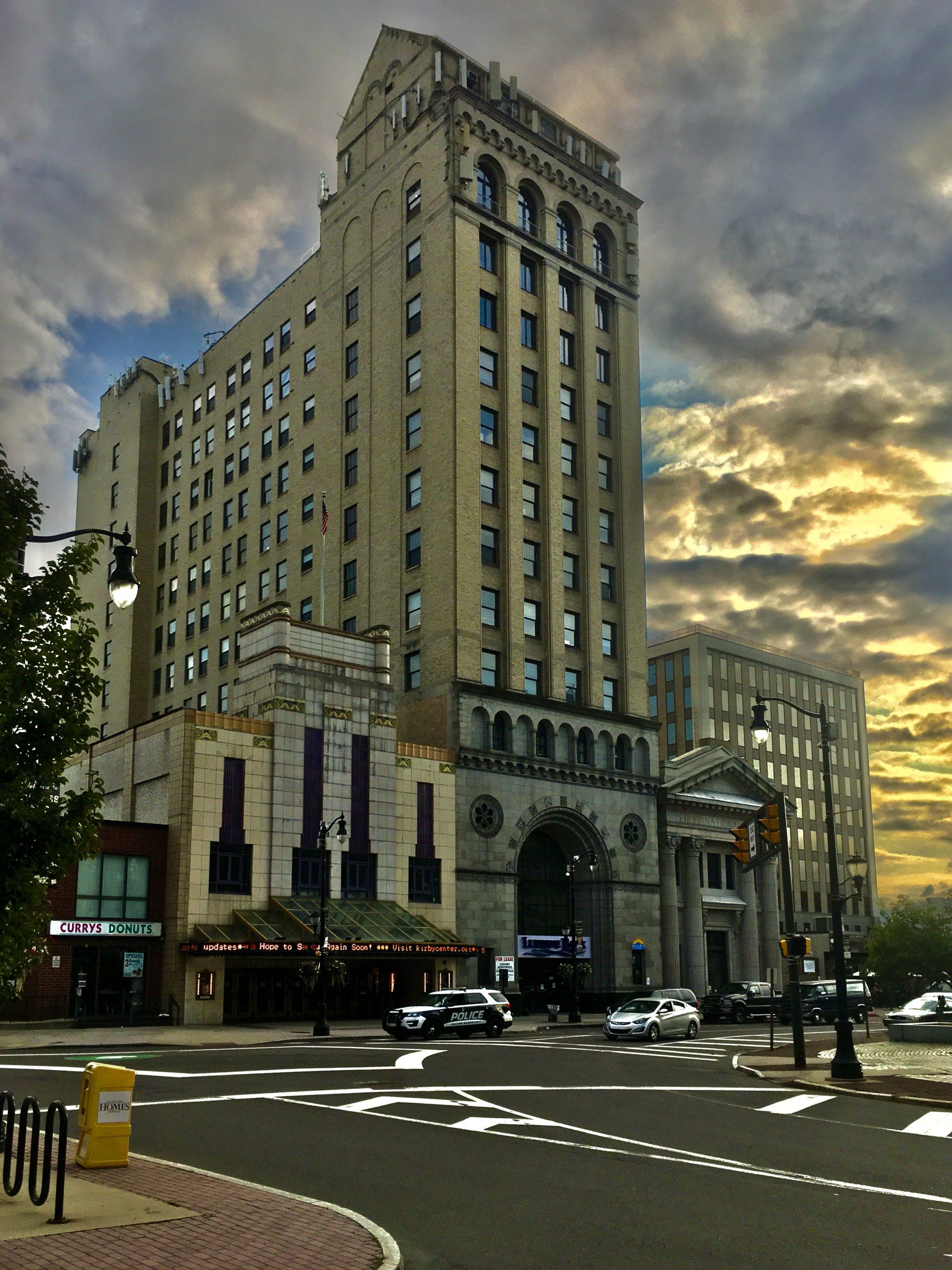
A Neighborhood Shaped by the Wyoming Valley
South Wilkes-Barre developed as an integral part of Wilkes-Barre's broader urban story, a city whose roots stretch back to the late 18th century along the banks of the Susquehanna River in Pennsylvania's Wyoming Valley. Like much of Wilkes-Barre, the southern reaches of the city grew in tandem with the anthracite coal industry that dominated the region through the 19th and early 20th centuries, drawing immigrant workers and their families who built tight-knit residential communities close to the mines and supporting industries.
As coal's dominance faded in the mid-20th century, South Wilkes-Barre — like many working-class neighborhoods in the region — navigated the economic transitions that reshaped northeastern Pennsylvania. The devastating 1972 Agnes Flood, which inundated much of Wilkes-Barre, left a lasting mark on the entire city, and recovery efforts in the years that followed helped define the resilient, community-minded character that residents here still take pride in today.
That spirit of perseverance is woven into the neighborhood's fabric. Modest single-family homes and multi-unit properties reflect generations of working families who put down roots and stayed. Today, those same streets attract newcomers exploring homes for sale in South Wilkes-Barre, PA, as well as renters drawn by relative affordability and convenient access to downtown Wilkes-Barre. The neighborhood's history isn't distant — it's visible in its architecture, its people, and its enduring sense of place.